
- 1. The Definition of Unoccupied Property
- 2. Insurance Coverage and Unoccupied Properties
- 3. Types of Insurance Coverage Available
- 4. Best Practices for Managing Unoccupied Properties
- 5. The Importance of Regular Communication with Your Insurer
- 6. Real-World Example of Unoccupied Property Challenges
- 7. Legal Obligations and Responsibilities
- 8. Conclusion: Safeguarding Your Unoccupied Property
- 9. Frequently Asked Questions
- 9.1 1. What is the typical duration after which a property is considered unoccupied?
- 9.2 2. Will my insurance policy cover theft in an unoccupied home?
- 9.3 3. What steps should I take if my property is going to be unoccupied for an extended period?
- 9.4 4. Are there specific insurance providers that specialize in unoccupied property coverage?
- 9.5 5. What are the potential legal consequences of leaving a property unoccupied?
What Happens When an Insured Property Becomes Unoccupied
Understanding what occurs when an insured property becomes unoccupied is crucial for homeowners and landlords alike. In South Africa, the implications of an unoccupied property can significantly affect insurance coverage, risk assessments, and property management practices. This blog post will delve into the various aspects of unoccupied properties, including the risks involved, insurance implications, and best practices for maintaining coverage during vacancy.
The Definition of Unoccupied Property
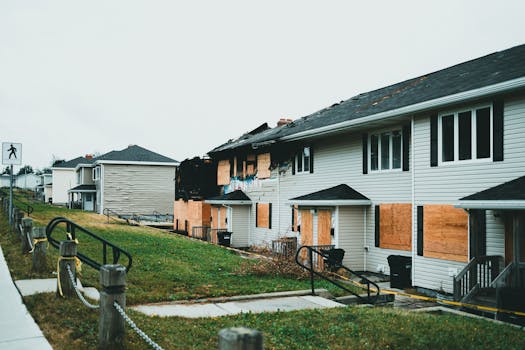
Before exploring the implications, it’s essential to define what constitutes an unoccupied property. Generally, a property is considered unoccupied when no one has lived in it for a specified period, typically exceeding 30 consecutive days. This could occur for various reasons, including:
- Extended holidays
- Relocation for work
- Property renovations
- Death of the homeowner
Insurance Coverage and Unoccupied Properties
One of the most significant concerns for homeowners and landlords is how vacancy affects their insurance policies. Most standard property insurance policies include specific clauses regarding unoccupied dwellings. Here’s what you need to know:
Policy Amendments
Once a property becomes unoccupied, insurers may require you to notify them. Failure to do so can lead to complications in the event of a claim. Some policies may automatically limit coverage after a property has been unoccupied for a certain period. For example, the Sanlam insurance policies state that properties left unoccupied for more than 60 days may not be covered for theft or damage.
Increased Risk Factors
Unoccupied properties face heightened risks, including:
- Theft: Vacant homes are prime targets for burglars.
- Vandalism: Properties left unattended may attract criminal activity.
- Maintenance Issues: Without regular inspections, minor issues can escalate into significant problems, such as plumbing leaks.
These factors contribute to a greater likelihood of claims being made, and thus, insurers may adjust their risk assessments accordingly. As a result, the premiums for unoccupied properties can be higher.
Types of Insurance Coverage Available
To protect an unoccupied property, homeowners have several insurance options:
Unoccupied Property Insurance
This specific type of insurance is designed for properties that will be unoccupied for an extended period. It typically covers risks associated with vacancy, such as theft, vandalism, and certain types of damage that may not be included in standard homeowner policies. According to South Africa’s Department of Housing, many insurance providers offer tailored policies for vacant properties, which can provide peace of mind for homeowners.
Landlord Insurance
If the property is a rental, landlord insurance can also cover unoccupied periods. This type of insurance protects against loss of rental income and damages, ensuring landlords are safeguarded even when tenants are not in residence. Some policies may also cover legal expenses in case of disputes with tenants.
Best Practices for Managing Unoccupied Properties
To mitigate risks while ensuring compliance with insurance requirements, here are some best practices for managing an unoccupied property:
- Notify Your Insurer: Always inform your insurance provider when a property becomes unoccupied.
- Regular Inspections: Schedule regular visits to your property to check for maintenance issues and deter vandalism.
- Security Enhancements: Consider installing security systems, motion sensors, and outdoor lighting to deter potential intruders.
- Maintain Utilities: Keep the heating on in winter to prevent pipes from freezing and bursting.
- Documentation: Keep records of all inspections, maintenance, and communications with your insurer.
The Importance of Regular Communication with Your Insurer
Regular communication with your insurance provider is paramount when managing an unoccupied property. When you inform them that your property will be vacant, they can guide you through the necessary steps to maintain your coverage. This may include:
- Adjusting your policy to reflect the unoccupied status
- Offering additional coverage options
- Providing recommendations for safeguarding your property
Real-World Example of Unoccupied Property Challenges
Consider the case of a Johannesburg homeowner who left their house vacant for six months while relocating for work. During this time, a plumbing issue went unnoticed, leading to significant water damage. When the homeowner filed a claim, the insurance company denied it, citing the property’s unoccupied status and the homeowner’s failure to inform them of the vacancy. This unfortunate situation highlights the importance of prompt communication with insurance providers and understanding policy terms.
Legal Obligations and Responsibilities
In South Africa, property owners have legal responsibilities even when their properties are unoccupied. This includes maintaining the property in good condition and ensuring it does not become a nuisance to the neighbourhood. Local municipal regulations may mandate property owners to keep their premises clean and secure, and failure to comply could result in fines.
Conclusion: Safeguarding Your Unoccupied Property
Managing an unoccupied property requires diligence, awareness of risks, and proactive measures to ensure continued insurance coverage. By understanding the implications of having an unoccupied property and taking the necessary steps to protect it, homeowners can mitigate risks effectively. Remember, keeping an open line of communication with your insurance provider and conducting regular property inspections are vital components of successful property management.
Frequently Asked Questions
1. What is the typical duration after which a property is considered unoccupied?
A property is usually considered unoccupied after 30 consecutive days of no residents, but this can vary by insurance policy.
2. Will my insurance policy cover theft in an unoccupied home?
Coverage for theft in an unoccupied home is often limited or excluded. It’s crucial to check your specific policy details and notify your insurer.
3. What steps should I take if my property is going to be unoccupied for an extended period?
You should notify your insurer, consider obtaining unoccupied property insurance, and implement security measures to protect the home.
4. Are there specific insurance providers that specialize in unoccupied property coverage?
Yes, many insurance providers in South Africa offer specialized coverage for unoccupied properties. It’s advisable to research and compare different options.
5. What are the potential legal consequences of leaving a property unoccupied?
Property owners may face fines or legal action if their unoccupied property is deemed a nuisance or hazard to the community, depending on local laws.
By taking the right precautions and understanding the potential implications of an unoccupied property, homeowners can safeguard their investments and ensure peace of mind.