
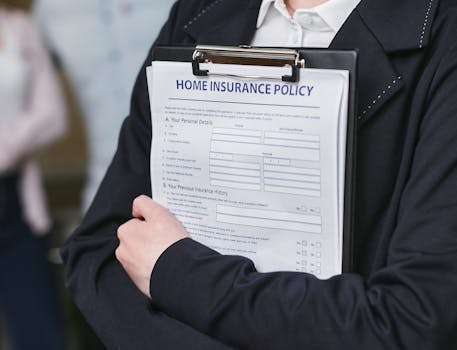
How to Prepare Your Home for an Insurance Risk Inspection
When it comes to protecting your home and assets, having the right insurance coverage is crucial. However, before your insurance company can provide you with the best possible coverage, they often require a risk inspection. Understanding how to prepare for this important assessment can significantly impact your policy, premiums, and peace of mind. In this blog post, we’ll explore effective strategies to help you prepare your home for a successful insurance risk inspection.
Understanding the Insurance Risk Inspection
An insurance risk inspection is an evaluation conducted by your insurance provider to determine the likelihood of a claim being filed. The inspector will assess various factors, including the condition of your home, safety features, and potential hazards. According to the California Department of Insurance, these inspections help insurers understand the risk profile associated with your property and tailor your coverage accordingly. A well-prepared home can lead to lower premiums and better coverage options.
Key Areas of Focus for the Inspection
To adequately prepare your home for an insurance risk inspection, it is essential to understand what aspects the inspector will evaluate. Here are the key areas to focus on:
- Structural Integrity: Inspect the foundation, walls, and roof for any signs of damage or wear. Ensure that any necessary repairs are made prior to the inspection.
- Safety Features: Check that smoke detectors, carbon monoxide detectors, and fire extinguishers are in working order. Having these safety features can significantly reduce your risk profile.
- Electrical Systems: Ensure that your wiring is up to code and that there are no exposed wires or outdated systems. Modern electrical systems are less likely to cause fires, which can improve your inspection results.
- Plumbing: Inspect for leaks or signs of water damage. Addressing plumbing issues can help prevent mold growth and structural problems.
- Exterior Conditions: Keep your yard tidy, remove any debris, and ensure that walkways and driveways are in good condition. Well-maintained exteriors can positively impact your inspection outcome.
Preparing Your Home: Step-by-Step Guide
Now that you understand the key focus areas, let’s look at a step-by-step guide on how to prepare your home effectively.
1. Conduct a Thorough Inspection
Start by conducting a detailed walk-through of your home. Look for any visible issues that may raise red flags during the inspection. Take notes and address any immediate concerns. This proactive approach can help you avoid potential pitfalls.
2. Document Everything
Before the inspection, compile a comprehensive list of improvements and repairs made to your home. Include receipts, photographs, and warranties for any recent upgrades. This documentation serves as proof of your home’s condition and can be beneficial in discussions with your insurance provider.
3. Make Necessary Repairs
Focus on fixing any issues that could negatively impact your home’s risk profile. This includes:
- Repairing leaks in the roof or plumbing.
- Replacing damaged windows or doors.
- Addressing any signs of pest infestations.
As noted by the National Association of Home Builders, timely repairs can not only help during an inspection but also increase your home’s overall value.
4. Enhance Safety Features
As mentioned earlier, safety features play a significant role in your inspection. Here are some enhancements you can consider:
- Install additional smoke and carbon monoxide detectors.
- Consider upgrading to a monitored security system.
- Ensure that your fire extinguishers are easily accessible and up to date.
Having these features can significantly lower the perceived risk of insuring your home.
5. Clear Out Clutter
Clutter can create hazards and make it difficult for the inspector to evaluate your home properly. Clear out unnecessary items from both inside and outside your home. This step not only improves safety but also presents your home in the best possible light.
6. Prepare for Questions
Be ready to answer questions about your home’s maintenance history, upgrades, and any past claims. Transparent discussions can help build trust with your insurer and may lead to better coverage options. Make sure to highlight any preventative measures you’ve taken to mitigate risks.
Understanding Local Regulations and Guidelines
Familiarize yourself with local building codes and insurance requirements. Each region may have specific regulations that impact your insurance risk assessment. According to the Federal Emergency Management Agency (FEMA), understanding these regulations can help you make informed decisions regarding your home insurance policy.
Maintaining Your Home Post-Inspection
Once the inspection is complete, it’s vital to maintain the improvements and repairs made. Regular maintenance not only keeps your home safe but can also prevent potential issues from arising that could lead to higher premiums or denied claims.
Regular Maintenance Tips
- Conduct seasonal inspections of your roof and gutters.
- Schedule regular HVAC maintenance.
- Keep up with landscaping to prevent overgrowth and debris accumulation.
By maintaining your home, you can ensure that it remains in good standing for future inspections, which can ultimately save you money in the long term.
Real-World Examples
To further illustrate the importance of preparing for an insurance risk inspection, consider the story of a South African homeowner who neglected to address minor plumbing issues. When the inspector arrived, they discovered significant water damage that had gone unnoticed. As a result, the homeowner faced increased premiums and a denial of coverage for water-related claims. This situation could have been avoided with proactive maintenance and repairs.
Another example involves a homeowner who invested in a comprehensive security system and updated their smoke detectors before an inspection. The insurer noted these improvements, leading to a substantial reduction in premiums and enhanced coverage options.
Conclusion
Preparing your home for an insurance risk inspection is a vital step in protecting your assets and ensuring you receive the best possible coverage. By understanding the key focus areas, conducting thorough inspections, making necessary repairs, and enhancing safety features, you can significantly improve your home’s risk profile. Remember, the goal is not just to pass the inspection but to create a safer living environment for you and your family.
Frequently Asked Questions
What should I expect during an insurance risk inspection?
During the inspection, an assessor will evaluate your home’s structural integrity, safety features, plumbing, electrical systems, and overall condition. They may also ask questions about your maintenance practices and past claims.
How can I lower my insurance premiums?
Making home improvements, enhancing safety features, and maintaining your property can contribute to lower premiums. Additionally, obtaining multiple quotes from different insurers can help you find the best rates.
Is it worth repairing small issues before an inspection?
Yes, addressing even minor issues can positively impact your inspection results and help you avoid higher premiums or claim denials in the future.
By following the steps outlined in this guide, you can confidently prepare your home for an insurance risk inspection, ensuring that you are well-positioned for the best insurance coverage possible.