
- 1. The Importance of Building Plans
- 2. 1. Legal Compliance and Zoning Regulations
- 3. 2. Impact on Property Value
- 4. 3. Future Development Potential
- 5. 4. Insurance and Financing Considerations
- 6. 5. The Role of the Property Buyer’s Agent
- 7. 6. The Process of Obtaining Building Plans
- 8. 7. The Importance of Due Diligence
- 9. 8. Real-Life Examples of Building Plan Issues
- 10. 9. Resources for Property Buyers
- 11. FAQ
How Building Plans Can Affect a Property Purchase in South Africa
When considering a property purchase in South Africa, one critical aspect that often goes unnoticed is the impact of building plans on the transaction. Understanding how these plans influence property value, legality, and potential future development can be essential for both buyers and investors. In this blog post, we will delve into the intricate relationship between building plans and property transactions, providing insights to help you navigate this complex landscape.
The Importance of Building Plans
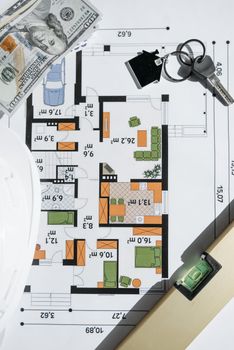
Building plans are a set of architectural drawings that outline the design and specifications of a construction project. In South Africa, these plans must be approved by local municipalities before any construction can begin. This approval process ensures that the development meets safety standards, zoning regulations, and environmental considerations.
When buying a property, understanding the existing building plans can significantly affect your investment. Here are several key ways these plans can influence your property purchase:
1. Legal Compliance and Zoning Regulations
Every property is subject to local zoning laws, which dictate how land can be used and what types of buildings can be constructed. Before purchasing a property, it’s essential to verify whether the current building complies with local zoning regulations. If a property has been constructed without the necessary approvals, you could face legal issues or even be required to demolish the structure.
- Case Study: A property owner in Cape Town was fined and ordered to demolish a newly built structure because it violated local zoning laws. This incident highlights the risk of purchasing properties without verifying the legality of their building plans.
2. Impact on Property Value
The presence of approved building plans can enhance the value of a property. Buyers are generally more attracted to properties that have clear documentation of compliance with regulations. On the other hand, a lack of proper building plans can reduce the marketability and value of a property. It’s crucial to assess whether the property’s features align with the approved plans.
For instance, a home that has undergone renovations without proper documentation may be worth significantly less than comparable homes with valid plans. This discrepancy can lead to complications during resale or refinancing.
3. Future Development Potential
Understanding the building plans associated with a property can also reveal its potential for future development. If a property has approved plans for expansions or additional structures, this could represent a lucrative opportunity for buyers looking to increase the property’s value. Conversely, properties with restrictive building plans might limit future development, impacting long-term investment potential.
- Research local development trends and regulations through official sources, such as the South African Government and municipal websites.
4. Insurance and Financing Considerations
When securing a mortgage or homeowner’s insurance, lenders often require verification of the property’s compliance with building plans. Properties without approved plans may face challenges in obtaining financing or insurance coverage. Lenders want to ensure that their investment is protected, and properties lacking proper documentation may be viewed as higher risk.
Moreover, if a property experiences damage due to issues arising from non-compliance with building regulations, insurance claims could be denied, leading to significant financial loss.
5. The Role of the Property Buyer’s Agent
Engaging a professional property buyer’s agent can be invaluable when navigating the complexities of building plans. An experienced agent will have insights into local regulations and can assist you in verifying the legality of existing structures. They can also help you understand the potential implications of any building plans on your intended purchase.
Additionally, a good buyer’s agent will be adept at negotiating terms that protect you from any undisclosed issues related to building compliance.
6. The Process of Obtaining Building Plans
If you find a property that interests you but lacks valid building plans, you may consider applying for them. The process typically involves submitting a set of architectural drawings to the local municipality for approval. This can be a lengthy and sometimes complex process, often requiring input from various professionals, including architects and town planners.
Before initiating this process, it’s prudent to consult with local authorities to understand any challenges you might face. Familiarizing yourself with the specific requirements of your municipality can streamline your application.
7. The Importance of Due Diligence
Conducting thorough due diligence is paramount when purchasing a property in South Africa. This includes reviewing all available documentation related to building plans, zoning laws, and compliance issues. Engaging professionals such as architects, town planners, and legal advisors can provide you with a comprehensive understanding of your potential investment.
Due diligence ensures that you are making an informed decision, protecting your investment from unforeseen complications that may arise from legal or regulatory issues.
8. Real-Life Examples of Building Plan Issues
Several high-profile cases in South Africa illustrate the potential pitfalls associated with inadequate attention to building plans. For instance, a well-known case involved a residential property in Johannesburg that was built without proper approvals. The municipality ordered the owners to cease construction, leading to costly delays and financial losses.
These examples underscore the importance of verifying the status of building plans before committing to a purchase.
9. Resources for Property Buyers
To assist you in navigating the complexities of building plans and property purchases, consider utilizing the following resources:
- Department of Human Settlements – Provides guidelines on housing regulations and building standards.
- South African Planning Institute – Offers resources related to planning and development in South Africa.
- eThekwini Municipality – A local municipality site that outlines specific building regulations and zoning laws.
FAQ
What are building plans?
Building plans are official documents that outline the specifications and designs of a construction project. They must be approved by local municipalities before construction can commence.
Why are building plans important in property purchases?
Building plans are crucial as they ensure that a property complies with local zoning laws and safety regulations, which can affect the property’s value and legality.
Can I purchase a property without approved building plans?
While it is possible to purchase a property without approved building plans, it carries significant risks, including potential legal issues and challenges in securing financing or insurance.
How can I verify the building plans of a property?
You can verify building plans by requesting documentation from the local municipality or consulting with a property buyer’s agent who is familiar with local regulations.
What should I do if I find out a property lacks approved building plans?
If a property lacks approved building plans, consider consulting with local authorities about the process for obtaining approvals or seek legal advice to understand your options.
In conclusion, understanding how building plans can affect your property purchase in South Africa is vital for making informed decisions. From legal compliance to future development potential, being aware of these factors can significantly safeguard your investment. Always conduct thorough due diligence and seek professional guidance to navigate this complex landscape effectively.