
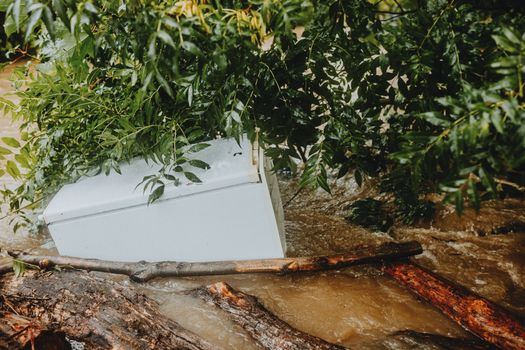
How to Document Property Damage Before Cleaning Up
Experiencing property damage can be overwhelming, whether it’s due to natural disasters, plumbing issues, or accidental incidents. One crucial step that many property owners overlook is the proper documentation of the damage before any cleanup efforts begin. Not only does this documentation facilitate insurance claims, but it also provides a clear record of the extent of the damage for future reference. Here’s how to effectively document property damage before diving into cleanup.
Understanding the Importance of Documentation
Documenting property damage is essential for various reasons:
- Insurance Claims: Most insurance companies require proof of damage before processing a claim. Proper documentation can expedite this process.
- Legal Protection: In some cases, disputes may arise regarding responsibility for the damage. Having thorough documentation can protect you legally.
- Future Reference: Keeping a record helps track any recurring issues or patterns related to property maintenance.
Gathering Necessary Tools for Documentation
Before you start documenting, ensure you have the right tools on hand:
- Camera or Smartphone: A device with high-quality image capability is essential for capturing detailed photos.
- Notepad or Digital Note App: To jot down observations and notes about the damage.
- Measurement Tools: A measuring tape can help document the extent of the damage accurately.
- Video Recording Device: Consider recording a walkthrough of the damaged areas for a more comprehensive view.
Steps to Document Property Damage
1. Assess the Damage
Before you begin documenting, take a moment to assess the overall situation. Walk through the property carefully and note any visible damage. Look for:
- Structural damage (cracks in walls, sagging ceilings)
- Water damage (stains, mold growth)
- Contents damage (furniture, electronics)
2. Take Detailed Photographs
Visual evidence is one of the most compelling forms of documentation. When taking photographs:
- Capture Wide Shots: Start with wide-angle shots that show the entire affected area.
- Close-Ups: Follow up with close-up shots to highlight specific damage, such as cracks or stains.
- Include Context: Take pictures that show surrounding unaffected areas to provide context.
3. Create a Video Walkthrough
A video walkthrough can serve as an effective method to capture the damage in real-time. Walk through the property, narrating what you see, and ensure you cover:
- Every affected room
- Specific items that have been damaged
Make sure to keep the video steady and focused for clarity. This can serve as strong evidence during the claims process.
4. Document the Details
Alongside your visual documentation, it’s essential to keep detailed notes. Consider the following:
- Date and Time: Record when the damage occurred and when you documented it.
- Extent of Damage: Note specific details about the damage, including dimensions (e.g., a crack measuring 2 feet long).
- Cause of Damage: If known, document how the damage occurred (e.g., water leak, storm damage).
- Witnesses: If applicable, note any witnesses to the damage.
5. Gather Supporting Documents
In addition to photographs and notes, collect any relevant documents that can support your claims:
- Insurance Policy: Review your insurance policy to understand coverage.
- Previous Inspection Reports: If available, these can provide a baseline of the property’s condition.
- Estimates for Repair Costs: Obtain estimates from contractors for repair work if possible.
Communicating with Your Insurance Provider
Once you’ve documented the damage thoroughly, the next step is to communicate with your insurance company. Here are some tips on how to proceed:
- Report Promptly: Notify your insurance provider as soon as possible. Delays can complicate the claims process.
- Provide Documentation: Share the photos, videos, notes, and any supporting documents you have compiled.
- Follow Up: Keep in touch with your insurance adjuster to ensure that your claim is progressing.
Real-World Examples of Effective Documentation
To illustrate the importance of proper documentation, consider the following real-world examples:
In 2021, many homeowners in South Africa faced significant damage due to heavy flooding. Those who documented their losses effectively were able to file claims swiftly and receive compensation for repairs. For instance, a homeowner in KwaZulu-Natal who took detailed photographs and obtained repair estimates was able to recover costs promptly, while others who hadn’t documented their damage faced delays and denials.
In another case, a property management company documented damage from a burst pipe in an apartment complex. They provided their insurance company with a combination of photographs, notes, and repair estimates, leading to a successful claim that covered the costs of both immediate repairs and long-term damage prevention measures.
Preserving Documentation for Future Use
After you have submitted your claims, it’s essential to preserve all documentation for future reference. Here are a few ways to do this:
- Digital Backup: Store copies of all documentation on a cloud service or external hard drive.
- Organized Folders: Keep physical copies organized in a safe location for easy access.
- Regular Updates: Regularly update your documentation if further damage occurs or repairs are made.
Frequently Asked Questions
What should I do if I find more damage after my initial documentation?
If you discover more damage after your initial documentation, document it immediately using the same methods (photos, notes, etc.) and inform your insurance provider about the new findings.
How long do I have to file an insurance claim for property damage?
The time frame for filing a claim varies by insurance policy, but it is generally advisable to report damage as soon as possible, typically within a few days of the incident. Always check your specific policy for details.
Can I clean up minor damage before documenting it?
While it’s crucial to document damage first, minor clean-up that does not obscure the extent of the damage may be permissible. However, avoid extensive clean-up until you have captured all necessary documentation.
In summary, documenting property damage before cleanup is a vital step that can save you time and stress down the line, especially when dealing with insurance claims. By following these steps and utilizing the right tools, you can ensure that your documentation is thorough and effective, safeguarding your interests and facilitating a smoother recovery process.