
- 1. Understanding Building Regulations in South Africa
- 2. The Risks of Unapproved Building Extensions
- 3. Legal Actions Against Unapproved Extensions
- 4. How to Rectify Unapproved Building Extensions
- 5. The Importance of Building Plans
- 6. Insurance Implications
- 7. Real-World Examples of Consequences
- 8. Future Considerations for Homeowners
- 9. Community Awareness and Reporting
- 10. Conclusion
- 11. Frequently Asked Questions
What Happens if a Property Has Unapproved Building Extensions
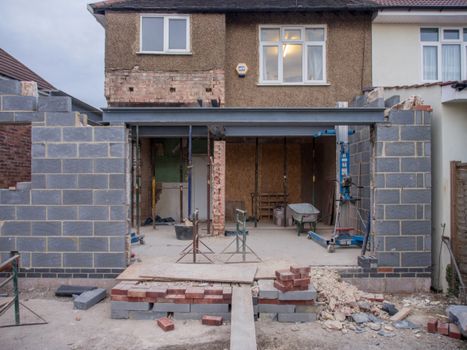
In the world of real estate, property modifications are commonplace. However, when it comes to building extensions, the legalities can become complex, particularly if those alterations lack the necessary approvals. In South Africa, unapproved building extensions can lead to significant consequences for property owners. This blog post will delve into the implications of unapproved building extensions, potential repercussions, and what property owners should consider.
Understanding Building Regulations in South Africa
Building regulations in South Africa are governed by the National Building Regulations and Building Standards Act. These regulations are designed to ensure safety, health, and environmental standards are met. Any modifications to a property, including extensions, typically require approval from local municipal authorities. Failing to obtain this approval can lead to various complications.
The Risks of Unapproved Building Extensions
When homeowners undertake building extensions without the necessary approvals, they expose themselves to a range of risks, including:
- Legal Consequences: Local authorities have the power to issue fines or even order the demolition of unapproved structures. This can be a costly affair.
- Increased Insurance Premiums: Insurance companies may refuse to cover damages associated with unapproved extensions. This lack of coverage can leave homeowners vulnerable to substantial repair costs.
- Decreased Property Value: Properties with unapproved extensions may suffer a decline in market value. Potential buyers often hesitate to purchase homes with legal issues.
- Safety Hazards: Unapproved extensions may not comply with safety standards, posing risks to the occupants.
Legal Actions Against Unapproved Extensions
If a property has unapproved building extensions, local authorities may take legal action. Homeowners can face various penalties, which can include:
- Cease and Desist Orders: Municipalities can issue orders requiring homeowners to stop using the unapproved structure.
- Fines: Homeowners may be fined for non-compliance, which can accumulate over time if the issue is not resolved.
- Demolition Orders: In severe cases, authorities may order the demolition of the unapproved extension.
For instance, in 2021, a homeowner in Cape Town faced a fine of R50,000 for constructing an extension without the necessary permits. The municipality also issued a demolition order, which the homeowner contested in court, resulting in prolonged legal battles and substantial financial strain.
How to Rectify Unapproved Building Extensions
For homeowners who find themselves in the predicament of having unapproved building extensions, there are steps to take to rectify the situation:
- Consult with a Professional: Engaging with an architect or a town planner can provide clarity on how to navigate the approval process.
- Apply for Retrospective Approval: Homeowners can apply for retrospective approval from local authorities. This process may involve inspections to ensure compliance with regulations.
- Consider Demolition: In cases where approval is unlikely to be granted, demolishing the unapproved structure may be the only option.
The Importance of Building Plans
When considering a property extension, having a comprehensive building plan is essential. These plans not only serve as a guide for construction but also help in obtaining the necessary approvals. Homeowners should ensure that their building plans are:
- Compliance with Local Zoning Laws: Each municipality has zoning laws that dictate what can be built where.
- Safe and Sustainable: Plans should consider the safety and environmental impact of the extension.
- Professionally Drafted: Engaging a registered architect or professional engineer can lend credibility to submitted plans.
Insurance Implications
Homeowners often overlook the impact of unapproved building extensions on their property insurance. Insurance companies generally require properties to be compliant with local laws to be eligible for coverage. If damages occur to an unapproved structure, the insurer may refuse to pay out a claim. This could leave homeowners facing significant out-of-pocket expenses.
Real-World Examples of Consequences
Several cases illustrate the consequences of unapproved building extensions in South Africa:
- A homeowner in Johannesburg had built a large garage without approval. When a storm caused damage to the structure, the insurer denied their claim due to the lack of permits.
- In Durban, a couple faced eviction after their unapproved extension was reported by neighbors. The municipality deemed the structure unsafe and ordered its demolition.
Future Considerations for Homeowners
For homeowners considering extensions, it’s crucial to understand the importance of proper planning and adherence to regulations. Here are some tips for future projects:
- Research Local Laws: Always check with local authorities before commencing any construction.
- Keep Documentation: Maintain records of all approvals, plans, and inspections.
- Engage Professionals: Work with qualified professionals who can ensure that all aspects of the build comply with regulations.
Community Awareness and Reporting
Community members play a vital role in maintaining the integrity of neighborhoods. If you notice unapproved extensions, it may be worth reporting to local authorities. This can help ensure that safety standards are maintained and can prevent potential hazards for everyone in the area.
Conclusion
The implications of having unapproved building extensions are significant and can affect homeowners financially, legally, and personally. Understanding the laws and ensuring compliance is essential for any property owner looking to make modifications. By prioritizing legal processes and working with professionals, homeowners can avoid pitfalls associated with unapproved extensions.
Frequently Asked Questions
What should I do if I find my property has unapproved extensions?
Consult with a professional, such as an architect or town planner, to understand the best steps for obtaining retrospective approval or rectifying the situation.
Can I sell a property with unapproved building extensions?
While you can sell a property with unapproved extensions, it may decrease the property’s value and could complicate the sale process.
Will my insurance cover damages to an unapproved extension?
Insurance companies typically will not cover damages related to unapproved structures, leaving homeowners responsible for repair costs.
How can I ensure my building extensions are approved?
Engage with local authorities, adhere to zoning laws, and work with qualified professionals to draft and submit plans for approval.
For more information, check the National Building Regulations and Building Standards Act.