
- 1. Understanding Third-Party Only Car Insurance
- 2. Why Consider Third-Party Insurance for Older Vehicles?
- 3. The Risks of Choosing Only Third-Party Insurance
- 4. Real-World Scenarios: When Third-Party Coverage Falls Short
- 5. Comprehensive Coverage: A Safety Net for Older Vehicles
- 6. Assessing Your Vehicle’s Value and Needs
- 7. Finding the Right Insurance Provider
- 8. Conclusion: Making an Informed Decision
- 9. Frequently Asked Questions
Is Third-Party Only Car Insurance Enough for an Older Vehicle?
When it comes to insuring an older vehicle, many South African drivers face the dilemma of whether to opt for comprehensive coverage or settle for third-party only car insurance. With the rising costs of vehicle maintenance and the depreciating value of older cars, understanding the nuances of car insurance becomes essential. In this article, we will explore the merits and drawbacks of third-party insurance for older vehicles, helping you make an informed decision.
Understanding Third-Party Only Car Insurance
Third-party car insurance is a type of policy that covers damages caused by your vehicle to other parties. This means that if you’re involved in an accident, the insurance will cover the costs incurred by the other party but won’t provide any coverage for your vehicle. In South Africa, it is a legal requirement for all vehicle owners to have at least some form of third-party insurance.
Why Consider Third-Party Insurance for Older Vehicles?
Many vehicle owners opt for third-party only car insurance for their older vehicles due to several compelling reasons:
- Cost-Efficiency: One of the most significant advantages is the lower premium. For older vehicles, which may have a depreciated value, the cost of comprehensive insurance may outweigh the benefits.
- Depreciated Value: As vehicles age, their market value decreases. According to the AA (Automobile Association of South Africa), many older cars may not be worth the cost of repairs or replacements when considering comprehensive coverage.
- Legal Compliance: Third-party insurance fulfills the legal requirement in South Africa, protecting you against liability claims.
The Risks of Choosing Only Third-Party Insurance
While third-party only car insurance can be the economical choice, it does come with its own set of risks:
- No Coverage for Your Vehicle: If your older vehicle is damaged in an accident or suffers theft, you will have to bear the costs of repairs or replacement out of pocket.
- Increased Liability: If you cause an accident, you may be liable for damages exceeding third-party coverage limits, leading to substantial financial liabilities.
- Limited Protection Against Uninsured Drivers: If another driver without insurance causes an accident, you may find yourself financially responsible for your own damages.
Real-World Scenarios: When Third-Party Coverage Falls Short
Understanding real-world implications helps in assessing whether third-party only car insurance is adequate. Consider the following scenarios:
Scenario 1: A Minor Accident
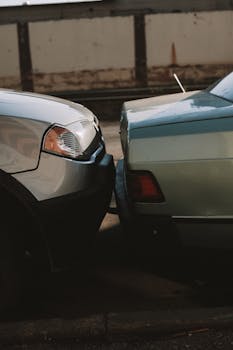
Imagine you own a 2005 Toyota Corolla valued at R30,000. You have third-party insurance. If you accidentally rear-end a newer model worth R200,000, your insurance will cover damages to the other vehicle. However, if your Corolla suffers severe damage, you will have to pay for repairs that could cost R10,000 or more out of pocket.
Scenario 2: Theft of Your Vehicle
In the unfortunate event that your older vehicle is stolen, having only third-party insurance means you will receive no compensation. The financial loss can be devastating, especially if the vehicle was a primary mode of transport.
Scenario 3: Liability Claims
Suppose you are involved in a serious accident where multiple vehicles are damaged. Your third-party insurance may cover initial costs, but if claims exceed the policy limit, you could find yourself facing significant legal and financial repercussions.
Comprehensive Coverage: A Safety Net for Older Vehicles
While third-party only car insurance can be appealing, comprehensive coverage offers a safety net that may be worth considering, even for older vehicles. Here are some reasons to think about comprehensive coverage:
- Protection Against Natural Disasters: Comprehensive insurance covers damages from natural disasters like floods or hailstorms, which could be particularly damaging to older vehicles.
- Theft and Vandalism Coverage: This type of insurance protects against theft and vandalism, ensuring you won’t suffer financial loss if your vehicle is targeted.
- Access to Repairs: Comprehensive insurance often includes access to repair services, ensuring your car is restored to optimal condition.
Assessing Your Vehicle’s Value and Needs
Before making a decision, assess your vehicle’s current value and your specific insurance needs:
- Market Value: Check online platforms like AutoTrader to gauge what similar models are selling for.
- Repair Costs: Consult with local mechanics to understand potential repair costs for your vehicle.
- Your Financial Situation: Evaluate your ability to absorb repair or replacement costs if you choose third-party insurance.
Finding the Right Insurance Provider
When looking for third-party only car insurance, it’s essential to find a reputable insurance provider. Research companies that have strong customer reviews and a good reputation for handling claims. Websites like HelloPeter can provide insights into customer experiences with various insurers.
Conclusion: Making an Informed Decision
In summary, while third-party only car insurance can be a practical choice for older vehicles, it’s important to carefully consider the risks involved. Evaluate your vehicle’s worth, potential repair costs, and your financial capabilities. In some cases, comprehensive coverage may provide peace of mind that outweighs the additional expense. Ultimately, the choice depends on your unique situation and priorities.
Frequently Asked Questions
What is third-party car insurance?
Third-party car insurance covers damages you cause to other vehicles or property. It does not cover damages to your own vehicle.
Is third-party insurance cheaper than comprehensive insurance?
Yes, third-party insurance is generally cheaper because it offers limited coverage compared to comprehensive insurance.
What happens if my older vehicle is stolen with only third-party insurance?
If your vehicle is stolen and you only have third-party insurance, you will not receive any compensation for the loss.
How can I determine if my older vehicle needs comprehensive coverage?
Consider factors such as your vehicle’s value, potential repair costs, and your financial situation when deciding on insurance coverage.
For more information on car insurance regulations and requirements in South Africa, you can visit the South African Government’s official site.