
- 1. The Rise of Telematics in Auto Insurance
- 2. Understanding Insurance Companies’ Rights
- 3. Legal Framework Surrounding Tracking Devices
- 4. Benefits of Tracking Devices for Insurers and Consumers
- 5. Challenges and Concerns Regarding Mandating Tracking Devices
- 6. Real-World Examples of Tracking Device Policies
- 7. The Consumer Perspective: What Should You Consider?
- 8. Future Trends in Vehicle Insurance
- 9. Frequently Asked Questions
Can an Insurance Company Require a Tracking Device Before Covering Your Car?
In today’s technologically advanced world, the integration of tracking devices into various aspects of our lives has become commonplace. One area where this trend has gained traction is the auto insurance industry. With the rise of telematics and usage-based insurance, many insurance providers are beginning to ask: Can an insurance company require a tracking device before covering your car? This article delves into the implications of such a requirement, examining the benefits, challenges, and legal considerations surrounding tracking devices in vehicle insurance.
The Rise of Telematics in Auto Insurance
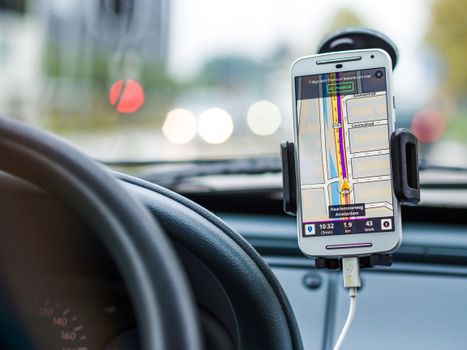
Telematics refers to the use of technology to monitor vehicle data, such as speed, braking patterns, and location. Insurance companies have started to embrace this technology to assess risk more accurately and tailor premiums based on individual driving behavior. According to the UK’s National Highways, telematics can lead to safer driving habits by providing drivers with feedback on their performance.
Many insurers now offer discounts to drivers who voluntarily install tracking devices. This incentivizes safe driving and lowers the risk for insurers. However, the question remains: can they mandate such devices?
Understanding Insurance Companies’ Rights
Insurance companies operate on the principle of risk assessment. They evaluate the likelihood of a claim based on various factors, including the driver’s history, the vehicle type, and, increasingly, real-time data from tracking devices. While insurers can set specific terms and conditions for their policies, they must adhere to regulations governed by the Financial Sector Conduct Authority (FSCA) in South Africa.
Legal Framework Surrounding Tracking Devices
In South Africa, the Insurance Act and the Consumer Protection Act provide a framework for the operation of insurance companies. While these acts allow insurers to impose conditions on their policies, they must ensure that such requirements are fair and reasonable. Forcing a customer to install a tracking device could be seen as an unfair practice if the consumer is not adequately informed or if it leads to discrimination against certain drivers.
Benefits of Tracking Devices for Insurers and Consumers
- Enhanced Risk Assessment: Tracking devices provide insurers with valuable data that can lead to more accurate risk assessments. For example, a driver who consistently obeys speed limits and avoids harsh braking is less likely to file a claim.
- Reduced Premiums: Many companies offer lower premiums for drivers who agree to install tracking devices, creating a win-win scenario.
- Encouragement of Safe Driving: The knowledge that their driving behavior is being monitored can encourage drivers to adopt safer habits.
For instance, a study by the Insurance Information Institute found that drivers who used telematics programs exhibited a 10-15% decrease in risky driving behaviors.
Challenges and Concerns Regarding Mandating Tracking Devices
- Privacy Issues: One of the most significant concerns surrounding tracking devices is the invasion of privacy. Drivers may be uncomfortable with their location and driving habits being monitored, leading to potential legal disputes.
- Data Security: With increased data collection comes the responsibility of protecting that data. Insurers must ensure that the information gathered from tracking devices is secure and not misused.
- Discrimination: There is a risk that mandatory tracking could discriminate against certain groups of drivers. For instance, individuals in areas with higher crime rates may find it more challenging to get coverage if tracking devices are mandated.
The Insurance Institute for Highway Safety (IIHS) emphasizes the importance of a balance between gathering useful data and maintaining consumer trust. Trust is paramount in the insurance industry, and any perceived overreach could lead to a loss of business.
Real-World Examples of Tracking Device Policies
Several insurance companies worldwide have experimented with mandatory tracking devices, providing insight into the implications of such policies. For example, in the United Kingdom, some insurers have introduced programs requiring drivers to install telematics devices. In these cases, drivers are informed upfront about the requirement and the potential benefits, including significant discounts on premiums.
In South Africa, companies like Discovery Insure offer telematics-based policies but do not mandate tracking devices. Instead, they provide incentives for those who choose to install them, aligning with the legal framework that governs the insurance industry.
The Consumer Perspective: What Should You Consider?
As a consumer, understanding the implications of tracking devices is crucial. Here are a few factors to consider:
- Cost vs. Benefits: Weigh the potential savings on premiums against the discomfort of being monitored. Is the financial benefit worth the loss of privacy?
- Data Usage: Inquire about how your data will be used and stored. Transparency from insurers is essential in building trust.
- Legal Rights: Familiarize yourself with your rights as a consumer under the Consumer Protection Act and the Insurance Act.
Future Trends in Vehicle Insurance
The future of vehicle insurance is likely to see an increased reliance on technology. As more insurers begin to utilize telematics, the debate over mandatory tracking devices will continue. Companies that prioritize transparency and consumer choice may find themselves at a competitive advantage.
Additionally, advancements in artificial intelligence and machine learning could lead to more sophisticated risk assessment tools. This could enable insurers to offer personalized policies without the need for mandatory tracking, thus maintaining a balance between risk management and consumer privacy.
Frequently Asked Questions
Can an insurance company refuse to provide coverage if I don’t install a tracking device?
Yes, some insurance companies may refuse coverage if their policy explicitly requires a tracking device. However, this must be clearly stated in the policy terms and must comply with local regulations.
Are there privacy laws regarding tracking devices in vehicles?
Yes, privacy laws vary by country and region. In South Africa, the Protection of Personal Information Act (POPIA) governs how personal data is collected and used, including data from tracking devices.
What should I do if I feel my insurance company is violating my rights?
If you believe your rights are being violated, you can lodge a complaint with the Financial Sector Conduct Authority (FSCA) or seek legal advice.
In conclusion, while the question of whether an insurance company can require a tracking device before covering your car is complex, it ultimately rests on legal frameworks, consumer rights, and the evolving landscape of technology in the insurance industry. As a driver, staying informed and aware of your rights is essential in navigating this changing environment.