
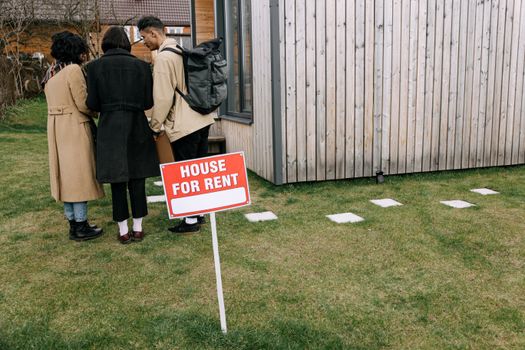
What to Do if Your Landlord Refuses to Return Your Rental Deposit
Renting a property can be a smooth experience, but disputes regarding rental deposits can lead to significant stress and confusion. If you find yourself in a situation where your landlord refuses to return your rental deposit, it’s essential to understand your rights and the steps you can take to resolve the issue effectively. This article will guide you through the necessary actions and provide insights into your legal standing as a tenant in South Africa.
Understanding the Importance of Your Rental Deposit
The rental deposit, often referred to as a security deposit, serves as a safeguard for landlords against potential damages and unpaid rent. Typically, this deposit is equivalent to one or two months’ rent, depending on the agreement you have signed. According to the Consumer Protection Act, landlords are required to return this deposit within a specific timeframe following the end of your lease agreement.
Know Your Rights as a Tenant
Under South African law, particularly the Rental Housing Act, tenants have clear rights regarding rental deposits. Here are a few key points to keep in mind:
- Written Agreement: Ensure that your lease agreement details the conditions for the return of the rental deposit.
- Timeframe for Return: Landlords must return the deposit within 14 days after the lease ends, provided there are no damages or outstanding payments.
- Interest on Deposit: You may be entitled to interest on your rental deposit, depending on what was agreed upon in your rental contract.
Steps to Take When Your Landlord Refuses to Return Your Deposit
When faced with a situation where your landlord refuses to return your rental deposit, it’s crucial to approach the matter systematically. Here are actionable steps to follow:
1. Review Your Lease Agreement
Your lease agreement is the foundation of your rental rights. Review it carefully to identify any clauses related to the rental deposit. Pay particular attention to the conditions under which the deposit can be withheld. Having this information will bolster your case when discussing the situation with your landlord.
2. Communicate with Your Landlord
Open lines of communication can often resolve misunderstandings. Reach out to your landlord, either in person or via written correspondence, to discuss the issue. Here’s how to effectively communicate:
- Be Polite: Maintain a respectful tone, even if you are frustrated.
- State Your Case: Clearly outline why you believe the deposit should be returned.
- Request a Written Response: Ask for clarification in writing regarding any reasons they may have for withholding the deposit.
3. Document Everything
Keep meticulous records of all communications with your landlord. This includes emails, messages, and notes from phone calls. Documentation is crucial if you need to escalate the matter later. Take photos of the property’s condition before you vacate, as these can serve as evidence in your favor.
4. Send a Formal Demand Letter
If informal communication fails, your next step should be to send a formal demand letter. This letter should include:
- Your contact details
- The landlord’s contact details
- A clear statement of your demand for the return of the deposit
- A deadline for response (usually 7 to 14 days)
- Your intention to escalate the matter if the issue remains unresolved
5. Seek Mediation
Before resorting to legal action, consider mediation. Organizations such as the Rental Housing Tribunal can facilitate discussions between you and your landlord. Mediation can often lead to a quicker resolution without the need for legal proceedings.
6. Take Legal Action
If all else fails and your landlord continues to refuse the return of your rental deposit, you may need to consider legal action. Here are your options:
- Small Claims Court: If the amount in dispute is less than R20,000, you can file a claim in the Small Claims Court. This process is generally straightforward and does not require a lawyer.
- Legal Advice: Consult with a legal professional who specializes in tenant rights. They can provide guidance tailored to your situation.
Real-World Examples
Understanding how others have navigated similar situations can provide valuable insights. For instance, a tenant in Cape Town successfully reclaimed their deposit after documenting the property’s excellent condition upon moving out and communicating effectively with their landlord. They followed the outlined steps, including mediation, which ultimately led to a favorable outcome.
On the other hand, a tenant in Johannesburg faced challenges when they did not have adequate documentation of the property’s condition. Their landlord cited damages that the tenant believed were unfounded. This situation underscores the importance of thorough documentation and communication.
Preventing Future Issues
To avoid issues with the return of your rental deposit in the future, consider the following proactive measures:
- Conduct a Walk-Through: Before moving out, conduct a walk-through with your landlord to assess the property’s condition together.
- Document Everything: Take photos and videos of the property’s condition both at move-in and move-out.
- Understand Your Lease: Familiarize yourself with all terms and conditions related to your deposit.
Conclusion
Facing a situation where your landlord refuses to return your rental deposit can be frustrating, but knowing your rights and the appropriate steps to take can help you navigate this challenge. By maintaining open communication, documenting your interactions, and being prepared to escalate the matter if necessary, you can increase your chances of a favorable resolution. Remember, you are not alone, and there are resources available to assist you in reclaiming your hard-earned money.
FAQs
What is the typical timeframe for a landlord to return a rental deposit in South Africa?
Landlords are required to return the rental deposit within 14 days after the lease agreement ends, as long as there are no disputes regarding damages or unpaid rent.
Can a landlord withhold my deposit for normal wear and tear?
No, landlords cannot withhold a deposit for normal wear and tear. They may only deduct from the deposit for damages beyond normal use.
What should I do if my landlord accuses me of damages I did not cause?
Document the property’s condition before moving out and collect evidence to support your position. If necessary, seek mediation or legal advice.
Where can I find more information about tenant rights in South Africa?
Visit the Government of South Africa’s official website for comprehensive information on tenant rights and related legislation.