
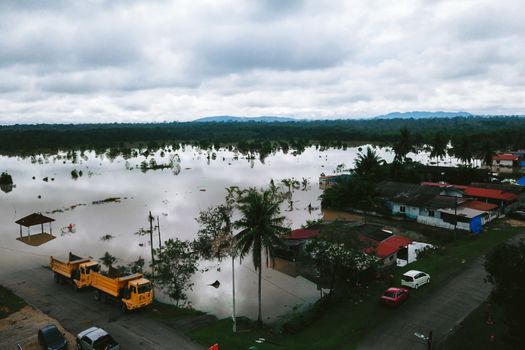
Does Car Insurance Cover Flood Damage in South Africa?
When it comes to protecting your vehicle, understanding the nuances of your car insurance policy is essential, especially in a country like South Africa, where extreme weather events, including floods, can cause significant damage. One critical aspect that many vehicle owners often overlook is whether their car insurance covers flood damage. In this post, we will delve into the intricacies of car insurance policies with a specific focus on flood damage coverage.
The Basics of Car Insurance in South Africa
In South Africa, car insurance is generally categorized into three main types: third-party, third-party fire and theft, and comprehensive coverage. Each type offers varying degrees of protection:
- Third-Party Insurance: This is the minimum legal requirement for driving in South Africa. It covers damages to other vehicles and property but does not cover your own vehicle in the event of an accident or natural disaster.
- Third-Party Fire and Theft: This offers the same coverage as third-party insurance but adds protection against theft and fire, although it typically excludes natural disasters like floods.
- Comprehensive Insurance: This is the most extensive type of coverage and usually includes protection against theft, fire, vandalism, and damage caused by natural disasters, including floods.
Understanding Flood Damage Coverage
Flood damage to vehicles can be catastrophic. In South Africa, heavy rains and storms, especially during the summer months, can lead to flash floods that can severely damage your car. Whether your car insurance policy covers flood damage depends significantly on the type of coverage you have. Here’s a closer look:
Comprehensive Insurance and Flood Damage
If you possess a comprehensive insurance policy, you are generally covered for flood damage. Comprehensive insurance is designed to protect against a myriad of risks, including natural disasters. According to the South African Insurance Association (SAIA), comprehensive plans often include coverage for damages incurred due to flooding, as long as the policy is active and compliant with the terms.
What to Check in Your Policy
It’s crucial to read the fine print of your insurance policy. Not all comprehensive policies are created equal, and some may have specific exclusions or conditions. Here are a few points to consider:
- Exclusions: Some policies may explicitly exclude flood damage or may require additional coverage for natural disasters. Always check your policy documentation.
- Deductibles: Many policies come with deductibles that you must pay out of pocket before the insurance coverage kicks in. Understand how this affects your claim for flood damage.
- Documentation: Keep a record of all communications with your insurer and document any damage with photographs. This will assist in streamlining your claim process.
Real-World Examples of Flood Damage Claims
To illustrate the impact of flood damage on car insurance, let’s look at some real-world examples from South Africa:
- Case Study 1: In December 2021, parts of Durban experienced heavy rainfall, resulting in severe flooding. Many vehicle owners with comprehensive insurance were able to claim for damages incurred during the floods. Those with only third-party insurance, however, found themselves at a loss, as their policies did not cover their vehicles.
- Case Study 2: The Gauteng province faced similar challenges in early 2022. Vehicle owners who had comprehensive coverage reported that their claims were processed quickly, allowing them to repair or replace their flood-damaged cars. In contrast, individuals with limited coverage options faced financial strain.
How to File a Claim for Flood Damage
If you find yourself in a situation where your vehicle has suffered flood damage, knowing how to file a claim is essential. Here’s a simple guide to help you through the process:
- Assess the Damage: Before filing a claim, assess the extent of the damage to your vehicle.
- Document Everything: Take photos of the damage and keep records of any expenses incurred due to the flooding.
- Contact Your Insurer: Notify your insurance company as soon as possible to initiate the claims process.
- Complete Necessary Forms: Fill out the required claims forms provided by your insurer, ensuring that you provide all necessary documentation.
- Follow Up: Stay in touch with your insurance representative to track the progress of your claim.
Preventing Flood Damage to Your Vehicle
While insurance can help cover the costs associated with flood damage, prevention is always better than cure. Here are some tips to minimize the risk of flood damage to your vehicle:
- Park Wisely: Avoid parking in low-lying areas that are prone to flooding.
- Use Elevation: If you know a storm is approaching, consider moving your vehicle to higher ground.
- Regular Maintenance: Keep your vehicle in good condition to withstand adverse weather conditions. Regular checks can help identify vulnerabilities.
Conclusion
In summary, whether or not your car insurance covers flood damage in South Africa largely hinges on the type of policy you have. Comprehensive insurance typically offers this coverage, but it’s crucial to carefully review your policy details for exclusions and conditions. By understanding your options and taking preventive measures, you can protect your vehicle against the devastating effects of floods.
FAQs about Car Insurance and Flood Damage in South Africa
- Does third-party car insurance cover flood damage? No, third-party insurance does not cover damages to your own vehicle, including those caused by floods.
- Can I add flood damage coverage to my existing policy? Depending on your insurer, you may have the option to add additional coverage for natural disasters, including flooding.
- How can I prove flood damage to my insurer? Document the damage with photographs and keep records of the flooding event, including any local news reports and eyewitness accounts.
- What should I do if my claim for flood damage is denied? If your claim is denied, contact your insurer to understand the reasons and consider consulting a legal expert if necessary.
For more information on car insurance policies in South Africa, visit the South African Insurance Association for credible insights and guidelines.