
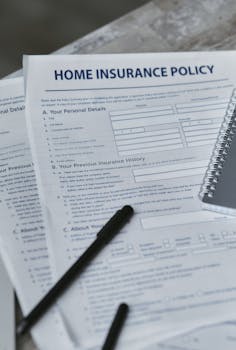
How to Update Insurance Policies After Renovations
Renovating your home can be an exciting endeavor, but it also brings about certain responsibilities, especially when it comes to your insurance policies. Whether you’re adding a new room, upgrading your kitchen, or enhancing your home’s safety features, ensuring that your insurance coverage reflects these changes is vital. This blog post explores how to effectively update your insurance policies after renovations, ensuring you’re fully protected.
The Importance of Updating Your Insurance After Renovations
After undertaking any home renovation, the first thing you might want to do is admire your handiwork. However, one crucial step that often gets overlooked is updating your insurance policy. Failing to do so can lead to significant financial implications if something were to go wrong. According to the NI Business Info, home insurance needs to be adjusted to reflect the true value and risk of your property. Here’s why it matters:
- Increased Property Value: Renovations can significantly increase your home’s market value. If your insurance coverage doesn’t account for this, you risk underinsurance.
- Liability Risks: Changes to your home can introduce new liability risks. If someone is injured due to a renovation, your coverage may be inadequate.
- Compliance with Local Regulations: Some renovations might require compliance with local building codes. Your insurance needs to reflect any new liabilities associated with these regulations.
Types of Renovations That Require Insurance Updates
Not every renovation requires a policy update, but certain types do. Here are some examples:
- Major Structural Changes: If you’re adding or removing walls, or expanding your home, your insurance policy should be updated to reflect the new structure.
- High-Value Upgrades: Installing high-end appliances, fixtures, or materials can increase your home’s value and necessitate an insurance update.
- Outdoor Improvements: Adding a deck, pool, or other outdoor features can increase liability risks and may require additional coverage.
- Energy-Efficient Additions: Solar panels or energy-efficient windows can add value, and your policy should reflect this.
How to Update Your Insurance Policy
Updating your insurance policy after renovations is a straightforward process. Here’s how to do it effectively:
1. Document Your Renovations
The first step is to document all the changes you’ve made. This includes taking photographs, keeping receipts, and collecting any permits or approvals associated with the renovations. This documentation serves as proof of the improvements made and will assist in accurately assessing the new value of your home.
2. Contact Your Insurance Agent
Once you have documented your renovations, it’s time to reach out to your insurance agent or company. Discuss the changes you’ve made and their potential impact on your coverage. Your agent will help you understand whether your current policy is sufficient or if you need to adjust your coverage limits.
3. Review Your Policy
Take the time to review your existing policy. Look for any specific clauses regarding renovations or alterations. Make sure to discuss these with your insurance agent to ensure you are fully protected.
4. Consider Additional Coverage
If your renovations have significantly increased the value of your home or introduced new risks, you might want to consider additional coverage options. This could include:
- Extended Replacement Cost Coverage: This coverage can help you rebuild your home to its new value if it’s destroyed.
- Liability Insurance: Increasing your liability coverage may be prudent, especially with additions like pools or decks.
5. Get a Home Appraisal
Consider getting a professional appraisal after your renovations. This will provide a clear picture of your home’s new value, which is crucial information for updating your insurance policy. A report from a trusted appraiser can serve as a strong basis for adjusting your coverage.
6. Ensure Compliance with Local Regulations
As mentioned earlier, some renovations may require compliance with local regulations. Check with your municipal office or a contractor to ensure you’re meeting all local codes. Failure to comply may leave you without coverage in the event of a claim.
Real-World Examples of Insurance Claims Post-Renovation
Understanding the implications of not updating your insurance policies can be made clearer through real-world examples. For instance, a homeowner in Johannesburg renovated their basement into a rental unit but failed to update their insurance. When a tenant had an accident due to inadequate safety measures, the homeowner discovered their policy did not cover rental liabilities. The result was a significant financial burden that could have been avoided with proper updates.
In another case, a property owner in Cape Town installed a swimming pool but did not inform their insurance provider. When a guest was injured, the homeowner faced a lawsuit that was not covered by their existing policy. This highlights the importance of being proactive in updating your insurance after renovations.
Staying Informed About Your Insurance Needs
Insurance needs can change over time due to various factors, including market conditions, local regulations, and your personal circumstances. Staying informed about these changes can prevent gaps in your coverage. Regularly reviewing your policy, especially after significant life events or renovations, is crucial.
Resources like the National Insurance Regulatory Authority of South Africa provide valuable information on policies and coverage options. Utilizing these resources can help ensure you have the right coverage in place.
Frequently Asked Questions
What happens if I don’t update my insurance after renovations?
If you fail to update your insurance after renovations, you risk being underinsured. In the event of a claim, your insurance company may not cover the full cost of damages or liabilities, leaving you to pay out-of-pocket.
How often should I review my insurance policy?
It’s advisable to review your insurance policy at least once a year or after significant life changes, such as renovations, purchasing new valuables, or changes in your financial situation.
Are there any renovations that don’t require an insurance update?
Minor cosmetic changes, such as painting or replacing fixtures, typically don’t require an insurance update. However, it’s always best to check with your insurance provider for specific guidance.
Can I adjust my coverage online?
Many insurance companies allow policyholders to adjust their coverage online. However, significant changes, especially those involving renovations, are best discussed directly with an agent to ensure all aspects are covered.
In conclusion, keeping your insurance policies updated after renovations is crucial for maintaining adequate coverage and protecting your investment. By following the steps outlined above and staying informed about your insurance needs, you can enjoy your renovated home with peace of mind.