
- 1. Understanding Interest Rates in South Africa
- 2. Steps to Verify Interest Rates from Credit Providers
- 3. Factors Influencing Interest Rates
- 4. Common Pitfalls in Interest Rate Verification
- 5. Legal Actions and Consumer Rights
- 6. Real-World Example
- 7. Utilizing Technology for Rate Comparison
- 8. Stay Informed About Changes in Regulations
- 9. Frequently Asked Questions
How to Check Whether a Credit Provider Is Charging the Correct Interest Rate
In today’s financial landscape, understanding interest rates is crucial for consumers seeking loans or credit. With various credit providers operating in South Africa, it’s essential to ensure that you are charged the correct interest rate. In this guide, we will explore the steps you can take to verify the accuracy of interest rates offered by credit providers, and highlight important factors that affect these rates.
Understanding Interest Rates in South Africa
Interest rates are the costs associated with borrowing money, expressed as a percentage of the loan amount. In South Africa, the National Credit Act (NCA) regulates interest rates, ensuring that consumers are not exploited by predatory lending practices. The NCA stipulates the maximum interest rates that can be charged on different types of credit agreements, which include personal loans, credit cards, and store accounts.
As of the latest regulations, the maximum interest rate for unsecured loans is set at 28% per annum, while secured loans can have different rates based on the risk involved. It is essential to familiarize yourself with these rates to help determine if a credit provider is charging you appropriately.
Steps to Verify Interest Rates from Credit Providers
To ensure you’re not overpaying on interest, follow these steps:
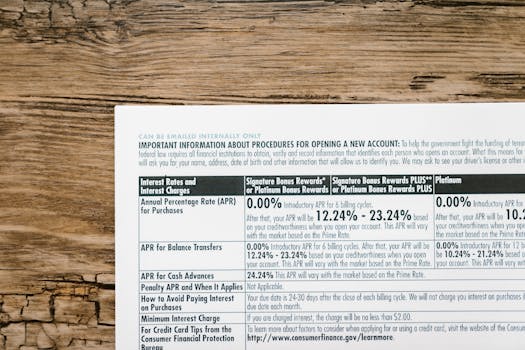
- Check the Loan Agreement: Always start by reviewing your loan or credit agreement. This document should clearly outline the interest rate, repayment terms, and any additional fees.
- Utilize Online Calculators: Several websites provide free online loan calculators to help you estimate the total cost of your credit, including interest. Use these tools to compare the rates you’re being charged.
- Research the Market: Investigate interest rates from various credit providers. Platforms like National Credit Regulator (NCR) provide insights on typical rates for different types of credit.
- Contact the Credit Provider: If you suspect your interest rate is higher than what’s legally permissible, reach out to your credit provider. Ask for a detailed breakdown of how your interest rate was calculated.
- Seek Professional Advice: If you’re still unsure, consider consulting a financial advisor or a consumer rights organization for guidance.
Factors Influencing Interest Rates
Understanding what affects interest rates can aid you in negotiating better terms. Here are some key factors:
- Credit Score: Your credit history plays a significant role in determining your interest rate. A higher credit score typically leads to lower interest rates, as lenders view you as a lower risk.
- Type of Loan: Different loans come with varying risk levels. For instance, unsecured loans generally have higher interest rates than secured loans due to the lack of collateral.
- Loan Amount and Term: Larger loans or those with longer repayment terms may carry different interest rates. Lenders consider the risk involved in lending larger sums over extended periods.
- Economic Conditions: The South African Reserve Bank (SARB) sets the benchmark interest rate, which can influence the rates offered by credit providers. When the repo rate changes, lenders may adjust their interest rates accordingly.
Common Pitfalls in Interest Rate Verification
When checking whether a credit provider is charging the correct interest rate, consumers often fall into several traps:
- Ignoring Fees and Charges: Many consumers focus solely on the interest rate without considering additional fees such as service charges, insurance, or late payment fees, which can significantly increase the total cost of borrowing.
- Not Comparing Apples to Apples: Ensure you are comparing similar loan types and terms when checking rates across different providers. For example, a personal loan might have a different rate compared to a credit card.
- Believing All Offers Are Final: Many credit providers are willing to negotiate terms. If you find a better rate elsewhere, don’t hesitate to bring it up during discussions with your current lender.
Legal Actions and Consumer Rights
If you discover that a credit provider has charged you an incorrect interest rate, you have several options:
- File a Complaint: Contact the credit provider directly and file a formal complaint. Most reputable companies will have a process in place to handle disputes.
- Report to the National Credit Regulator: If your issue remains unresolved, you can escalate it to the National Credit Regulator, which oversees compliance with the NCA.
- Seek Legal Assistance: In severe cases, consider contacting a legal professional who specializes in consumer rights. They can provide you with options for legal recourse.
Real-World Example
Consider the case of Jane, who took out a personal loan of R50,000. Her credit provider charged her an interest rate of 35% per annum. Concerned about the high rate, Jane researched the maximum allowable rate for her type of loan and found it to be 28%. After contacting the provider and presenting her findings, Jane was able to negotiate her interest rate down to the legal limit, saving her thousands over the life of the loan.
Utilizing Technology for Rate Comparison
In the age of technology, several apps and websites allow consumers to compare interest rates effortlessly. Websites like RateWeb provide comprehensive comparisons of different credit products, enabling you to make informed decisions.
Stay Informed About Changes in Regulations
Interest rates and credit regulations can change. Stay informed by regularly checking updates from the South African Reserve Bank and the National Credit Regulator. These resources are vital in ensuring you remain aware of your rights and the current lending landscape.
Frequently Asked Questions
What is the maximum interest rate a credit provider can charge in South Africa?
The maximum interest rate for unsecured loans is capped at 28% per annum, as per the National Credit Act.
How can I calculate the total cost of my loan?
You can use online loan calculators available on various financial websites to input your loan amount, interest rate, and repayment term to calculate the total cost.
What should I do if I suspect I am being charged an incorrect interest rate?
Review your loan agreement, contact your credit provider for clarification, and if necessary, escalate the issue to the National Credit Regulator.
Can I negotiate my interest rate with my credit provider?
Yes, many credit providers are open to negotiation, especially if you present them with competitive offers from other lenders.
Understanding how to verify whether a credit provider is charging the correct interest rate is crucial for maintaining your financial health. By following the steps outlined in this guide, you can protect yourself from overpaying and ensure that you are making informed decisions about your credit options.