
- 1. What Are Fixed Interest Rates?
- 2. The Benefits of Fixed Interest Rates
- 3. Understanding Variable Interest Rates
- 4. Pros and Cons of Variable Interest Rates
- 5. How to Compare Fixed and Variable Interest Rates Effectively
- 6. Real-World Examples of Fixed vs. Variable Rates
- 7. Tools for Comparing Interest Rates
- 8. Conclusion: Making the Right Choice for Your Financial Future
- 9. Frequently Asked Questions
How to Compare Fixed and Variable Interest Rates on Credit
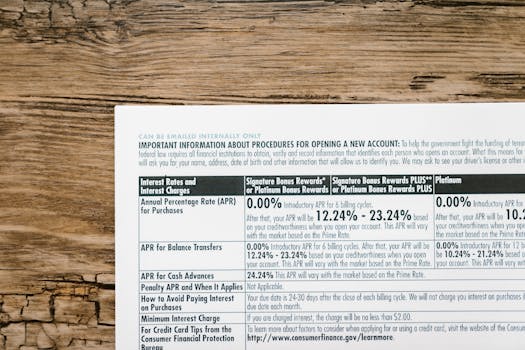
When it comes to securing financing or managing debt, understanding the nuances of interest rates is crucial. Two primary types of interest rates are commonly encountered: fixed interest rates and variable interest rates. Each comes with its own set of advantages and disadvantages that can significantly impact your financial health. In this comprehensive guide, we will delve deep into how to compare these two types of interest rates on credit, ensuring you make an informed decision that aligns with your financial goals.
What Are Fixed Interest Rates?
Fixed interest rates remain constant throughout the life of a loan or credit product. This means that your monthly payments will not fluctuate, regardless of changes in the market or economic conditions. The predictability of fixed rates makes them a popular choice for long-term loans, such as mortgages.
- Stability: Fixed rates provide peace of mind, as borrowers can budget their finances without worrying about unexpected changes in payment amounts.
- Long-term Planning: Homebuyers often prefer fixed rates for mortgages to lock in a rate for 15 to 30 years.
- Rate Protection: Borrowers are shielded from rising interest rates; if market rates increase, your rate remains unchanged.
The Benefits of Fixed Interest Rates
Choosing a fixed interest rate can be advantageous for several reasons:
- Predictability: With a fixed rate, you know exactly how much you will pay each month.
- Ideal for Budgeting: The consistency allows for easier financial planning and management.
- Protection Against Inflation: In times of rising inflation, having a fixed rate can save you money over the long term.
Understanding Variable Interest Rates
Variable interest rates, also known as adjustable or floating rates, fluctuate based on market conditions. These rates are typically tied to an index, such as the Johannesburg Interbank Agreed Rate (JIBAR) in South Africa. As a result, your payments can increase or decrease over time, depending on changes in the index.
- Lower Initial Rates: Variable rates often start lower than fixed rates, making them attractive for borrowers looking to save on initial payments.
- Potential for Decrease: If market interest rates drop, borrowers can benefit from lower payments.
- Short-term Savings: Ideal for those who plan to pay off their loans quickly or refinance before rates increase.
Pros and Cons of Variable Interest Rates
While variable rates can offer initial savings, they come with inherent risks:
- Uncertainty: Monthly payments can vary, making it difficult to budget effectively.
- Risk of Increase: If interest rates rise, borrowers may face significantly higher payments over time.
- Potential for Payment Shock: Sudden increases in rates can lead to payment amounts that are unaffordable.
How to Compare Fixed and Variable Interest Rates Effectively
When deciding between fixed and variable interest rates, it’s essential to evaluate several factors:
1. Loan Duration
The length of time you plan to hold the loan can significantly influence your decision. For long-term loans, fixed rates can provide stability. Conversely, if you anticipate paying off the loan quickly, a variable rate might save you money during the initial phase.
2. Current Economic Climate
Understanding the economic indicators affecting interest rates can guide your choice. In a low-rate environment, a fixed rate may offer better long-term security. However, if rates are expected to fall, a variable rate could be more advantageous.
3. Financial Circumstances
Your financial stability and risk tolerance play a vital role in your decision. If you have a stable income and can handle potential fluctuations in payments, a variable rate may be suitable. However, if you prefer predictable expenses, a fixed rate is the way to go.
Real-World Examples of Fixed vs. Variable Rates
Let’s consider two scenarios:
- Scenario 1: Fixed Interest Rate – Sarah takes out a home loan of R1,000,000 at a fixed rate of 9% for 20 years. Her monthly payment will be R8,991, which remains constant throughout the loan term, providing her with predictable budgeting.
- Scenario 2: Variable Interest Rate – John opts for a home loan of R1,000,000 at a variable rate starting at 7% but linked to JIBAR. Initially, his payments are R7,594, but as rates rise to 10%, his payments increase to R9,646, impacting his monthly budget significantly.
Tools for Comparing Interest Rates
Several online tools can assist you in comparing fixed and variable interest rates:
- Nedbank Loan Calculator – Evaluate potential monthly payments for different interest rates.
- Standard Bank Calculators – Analyze loan costs based on varying interest rates.
- MoneySmart (Australia) – Offers a variety of calculators that can be applied to South African financial contexts.
Conclusion: Making the Right Choice for Your Financial Future
Deciding between fixed and variable interest rates on credit involves careful consideration of your financial situation, market conditions, and personal preferences. While fixed rates offer stability and predictability, variable rates can provide initial savings and potential flexibility. By assessing your financial goals and utilizing available resources, you can make an informed decision that best suits your needs.
Frequently Asked Questions
What is the main difference between fixed and variable interest rates?
The main difference lies in their stability. Fixed interest rates remain unchanged throughout the loan term, while variable interest rates fluctuate based on market conditions.
Are fixed interest rates always better than variable rates?
Not necessarily. Fixed rates provide stability, while variable rates can offer lower initial payments. The best option depends on your financial situation and preferences.
Can I switch from a variable rate to a fixed rate?
Many lenders allow borrowers to switch from a variable to a fixed rate, often with specific terms and conditions. It’s essential to check with your lender for available options.
How do I know which interest rate is best for me?
Evaluate your financial stability, how long you plan to hold the loan, and your comfort with potential payment fluctuations. Consulting a financial advisor can also provide personalized insights.
Understanding the differences between fixed and variable interest rates empowers you to make informed financial decisions. Choose wisely and align your choice with your long-term financial goals.