
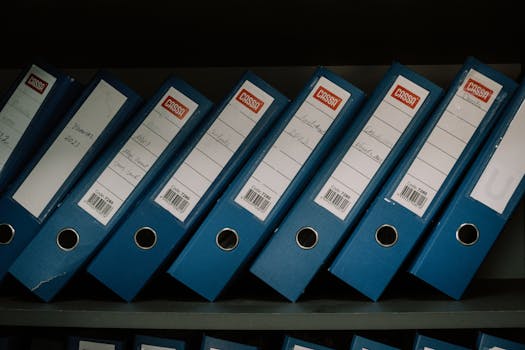
- 1. The Importance of Accurate Record-Keeping
- 2. Common Types of Records to Keep Updated
- 3. Real-World Examples of Claims Impacted by Record-Keeping
- 4. How to Implement Effective Record-Keeping Practices
- 5. The Role of Technology in Modern Record-Keeping
- 6. Regulatory Compliance and Record-Keeping
- 7. Conclusion: The Long-Term Benefits of Keeping Updated Records
- 8. Frequently Asked Questions
Why Keeping Updated Records Helps With Claims
In today’s fast-paced world, maintaining accurate and updated records is more than just a good habit; it’s essential for successfully navigating claims processes, whether in insurance, healthcare, or legal matters. This blog post will delve into why keeping updated records is crucial and how it can significantly ease the claims process.
The Importance of Accurate Record-Keeping
Accurate record-keeping serves as the backbone of effective claims management. It not only helps individuals and businesses to substantiate their claims but also ensures compliance with legal and regulatory requirements.
- Legal Protection: Updated records safeguard against potential legal disputes. In South Africa, for instance, the Department of Justice emphasizes the importance of documentation in legal proceedings.
- Evidence of Claim: When filing a claim, having updated records can serve as concrete evidence. This is particularly relevant in insurance claims, where the burden of proof lies with the claimant.
- Streamlined Processes: Updated records can expedite the claims process, reducing the time and effort needed to resolve issues.
Common Types of Records to Keep Updated
Different types of claims require different documentation. Below are some key records to maintain:
- Insurance Policies: Regularly review and update your insurance policies to reflect any changes in your life circumstances, such as buying a new home, acquiring valuable assets, or starting a family.
- Medical Records: For healthcare claims, keeping updated medical records is essential. This includes doctors’ visits, treatments, and medications. The South African Department of Health highlights the importance of accurate medical documentation in health-related claims.
- Financial Records: Maintain updated financial records like bank statements, invoices, and receipts. These documents can be crucial for claims related to loss of income or business interruptions.
Real-World Examples of Claims Impacted by Record-Keeping
To illustrate the significance of keeping updated records, let’s examine a few real-world scenarios:
Insurance Claims
Consider a South African family that experiences a house fire. They have home insurance but fail to keep an updated inventory of their belongings. When they file a claim, the insurance company requires proof of ownership and value for the lost items. Without an updated inventory, they struggle to substantiate their claim, resulting in reduced compensation or even denial.
Healthcare Claims
In a healthcare claim for a serious illness, a patient may have multiple doctors and treatments. If their medical records are outdated or incomplete, it can lead to delays in processing the claim. For instance, if a patient needs immediate surgery, a lag in obtaining updated records could result in financial strain or worse, compromised health outcomes. According to a study by the National Institutes of Health, inaccurate or missing records can lead to medical errors, further complicating claims.
Legal Claims
In legal cases, having extensive documentation can make or break a claim. For example, a business involved in a contractual dispute needs to provide contracts, emails, and other communications as evidence. If these records are not updated or organized, the business risks losing the case or facing penalties.
How to Implement Effective Record-Keeping Practices
To maximize the benefits of keeping updated records, consider implementing the following practices:
- Regular Updates: Set a schedule for reviewing and updating your records. This could be monthly, quarterly, or annually, depending on the type of records.
- Digital Solutions: Utilize digital tools for record-keeping. Cloud storage services such as Google Drive or Dropbox allow you to access your documents from anywhere while providing backup options.
- Organized Filing System: Develop a systematic filing system, both physical and digital, to ensure you can easily retrieve documents when needed.
- Consult Professionals: For complex claims, it may be beneficial to consult professionals such as accountants or legal advisors who can guide you on what records to keep.
The Role of Technology in Modern Record-Keeping
Technology has revolutionized the way we manage our records. With sophisticated software solutions and applications, individuals and businesses can streamline their record-keeping processes.
For instance, using accounting software like QuickBooks or Xero can help business owners maintain accurate financial records effortlessly. Moreover, healthcare providers increasingly rely on Electronic Health Records (EHR) systems, which not only improve patient care but also simplify claims processing.
According to a report by World Health Organization, the adoption of EHR systems has significantly reduced errors in medical record-keeping, ultimately enhancing the claims process.
Regulatory Compliance and Record-Keeping
In South Africa, various laws require businesses and individuals to maintain specific records. The South African Revenue Service (SARS) mandates that businesses keep financial records for a minimum of five years. Failure to comply can result in penalties or legal actions.
Similarly, compliance with the Protection of Personal Information Act (POPIA) necessitates that organizations maintain accurate records regarding personal data, further emphasizing the importance of updated documentation.
Conclusion: The Long-Term Benefits of Keeping Updated Records
Keeping updated records is not merely a task; it is a vital component of effective claims management. By maintaining accurate and organized documentation, individuals and businesses can protect their interests, expedite claims processing, and ensure compliance with legal requirements. Whether it’s for insurance, healthcare, or legal matters, the benefits of updated records far outweigh the effort involved in maintaining them.
Frequently Asked Questions
Why is updated record-keeping important for insurance claims?
Updated record-keeping is crucial for insurance claims as it provides the necessary evidence to substantiate your claim. Without accurate records, you may face reduced compensation or claim denial.
What types of records should I keep updated for healthcare claims?
For healthcare claims, you should keep updated medical records, including doctor’s visits, treatments, medications, and any relevant communication with healthcare providers.
How often should I review my records?
It’s advisable to review your records regularly, with a suggested frequency of monthly, quarterly, or annually, depending on the type of records you maintain.
Can technology help in record-keeping?
Yes, technology can significantly streamline record-keeping. Tools like cloud storage, accounting software, and Electronic Health Records (EHR) systems can make it easier to maintain and access updated records.
In conclusion, the importance of keeping updated records cannot be overstated. They serve as your first line of defense in claims management, ensuring that you are well-prepared when the need arises.