
- 1. Understanding Storm Damage and Its Impact
- 2. Types of Insurance Coverage for Storm Damage
- 3. Steps to Take After Storm Damage Occurs
- 4. What to Expect During the Claims Process
- 5. Real-World Examples of Storm Damage Claims
- 6. Preventive Measures to Mitigate Storm Damage
- 7. Understanding Your Insurance Policy
- 8. Frequently Asked Questions
What Happens When Storm Damage Affects Your Insured Property
In South Africa, storms can wreak havoc, leading to significant property damage. Understanding the implications of storm damage on your insured property is crucial for homeowners and business owners alike. This article explores the processes involved when storm damage occurs, the types of coverage available, and steps to take to ensure you are well-prepared.
Understanding Storm Damage and Its Impact
Storm damage can encompass a variety of issues, including but not limited to:
- Wind Damage: High winds can uproot trees, tear off roofs, and cause structural damage.
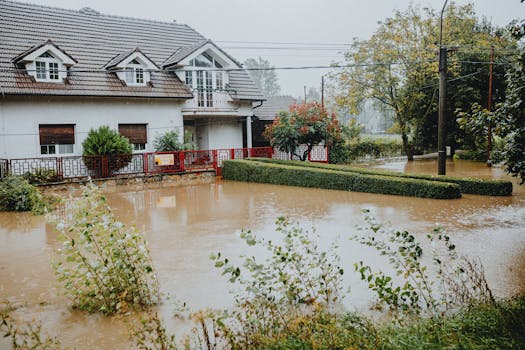
- Water Damage: Heavy rainfall can lead to flooding, which damages foundations, walls, and personal belongings.
- Lightning Strikes: These can cause fires or electrical surges that damage appliances and home wiring.
The South African Weather Service (SAWS) reports significant increases in storm-related incidents, prompting insurance companies to adapt their policies accordingly. It’s essential to understand how your insurance policy responds to these events.
Types of Insurance Coverage for Storm Damage
When it comes to storm damage, there are several types of insurance coverage that may apply:
- Homeowners Insurance: This typically covers the structure of your home and personal property against various perils, including storm damage.
- Commercial Property Insurance: For businesses, this policy protects against damages to the building and its contents.
- Flood Insurance: Given South Africa’s susceptibility to flooding, separate flood insurance may be necessary, as standard homeowners policies often exclude flood damage.
Each of these policies has specific terms, conditions, and exclusions that can affect how claims are processed. For example, homeowners in Cape Town may find that their policies have specific clauses regarding damage from strong winds or flooding, which can vary significantly from one insurer to another.
Steps to Take After Storm Damage Occurs
If your insured property suffers storm damage, it’s essential to follow a systematic approach to mitigate further loss and facilitate your insurance claim:
1. Ensure Safety First
Before assessing the damage, ensure your safety and that of others. Avoid immediate danger, such as downed power lines or unstable structures.
2. Document the Damage
Take comprehensive photographs and videos of the damage. This documentation will be vital when filing a claim. Include images of:
- Structural damages (roofs, walls, windows)
- Interior damages (flooding, damaged furniture)
- External damages (landscaping, fences)
3. Notify Your Insurance Company
Contact your insurance provider as soon as possible to report the storm damage. Be prepared to provide them with the information you collected and any details regarding the incident.
4. File a Claim
After notifying your insurer, you’ll need to file a claim. Ensure you follow their specific procedures, as outlined in your policy documentation. This often includes filling out forms and providing the evidence of damage you documented.
5. Secure Temporary Repairs
To prevent further damage, take steps to make temporary repairs. This might include covering broken windows with plastic sheeting or boarding up damaged areas. Keep receipts for any repairs, as these may be reimbursable under your insurance.
6. Keep Records
Throughout the claims process, maintain a detailed record of all communications with your insurance provider, including dates, times, and the names of representatives you spoke to.
What to Expect During the Claims Process
The claims process can be complex, and understanding what to expect can ease some of the stress involved:
1. Claim Assessment
Once your claim is filed, an adjuster will be assigned to assess the damage. They will evaluate the extent of the loss and determine how much the insurer will cover. This may involve a physical inspection of your property.
2. Coverage Evaluation
The adjuster will review your policy to determine what types of damages are covered and any applicable limits. For example, some policies may only cover certain types of storm-related damage, while others may have higher deductibles for wind or flood damage.
3. Settlement Offer
After the assessment, the insurance company will provide a settlement offer. Be sure to review this carefully, as it may not cover all your losses. If you disagree with the offer, you have the right to negotiate or appeal.
Real-World Examples of Storm Damage Claims
Consider the case of a homeowner in Durban whose property was severely damaged during a summer storm. The homeowner quickly documented the damage, contacted their insurer, and was able to secure an adjuster’s visit within a week. They learned that their policy included coverage for wind and water damage, which significantly helped with repairs.
In contrast, another homeowner in Johannesburg faced challenges due to their policy excluding flood damage. They had assumed that their standard homeowners insurance would cover all storm-related incidents. Consequently, they were left to handle extensive repairs out-of-pocket, highlighting the importance of understanding policy details.
Preventive Measures to Mitigate Storm Damage
While you can’t control the weather, there are steps you can take to protect your property from storm damage:
- Regular Maintenance: Ensure that gutters, downspouts, and drainage systems are clear and functioning correctly.
- Landscaping: Trim trees and shrubs to reduce the likelihood of wind damage.
- Roof Inspections: Regularly inspect your roof for wear and tear and make necessary repairs.
Understanding Your Insurance Policy
Being informed about your insurance policy is vital. Here are a few tips:
- Read Your Policy: Familiarize yourself with the terms, conditions, and exclusions.
- Ask Questions: Don’t hesitate to reach out to your insurance agent to clarify any uncertainties.
- Review Annually: Reassess your coverage regularly to ensure it meets your current needs.
Frequently Asked Questions
What types of storm damage are typically covered by homeowners’ insurance?
Homeowners insurance generally covers wind and hail damage, but flood damage often requires separate coverage.
How long does it take to process a storm damage claim?
The time to process a claim can vary widely, from a few weeks to several months, depending on the complexity of the claim and the insurer’s workload.
Can I handle repairs before the insurance adjuster arrives?
Yes, you can make temporary repairs to prevent further damage, but keep all receipts and document the work done.
What should I do if my claim is denied?
If your claim is denied, review the denial letter carefully, and consider appealing the decision. You may also want to consult with an attorney or a public claims adjuster for assistance.
In conclusion, dealing with storm damage can be a daunting experience, but understanding your insurance coverage and following the appropriate steps can significantly ease the process. Ensure you are adequately prepared and informed, so when storms do strike, you can respond effectively and efficiently.