
- 1. The Nature of Consumer Credit Agreements
- 2. What Happens When You Ignore a Consumer Credit Agreement?
- 3. The Legal Framework Governing Consumer Credit Agreements
- 4. Real-World Examples of Consequences
- 5. Consumer Protections Under the National Credit Act
- 6. The Role of Credit Bureaus
- 7. Best Practices for Managing Consumer Credit Agreements
- 8. FAQs about Consumer Credit Agreements
Understanding the Legal Consequences of Ignoring Consumer Credit Agreements
In today’s fast-paced financial landscape, consumer credit agreements are a vital tool for many individuals seeking to purchase goods and services. However, ignoring these agreements can lead to severe legal repercussions. This blog post explores the legal consequences of ignoring consumer credit agreements in South Africa, shedding light on the implications for consumers and their rights.
The Nature of Consumer Credit Agreements
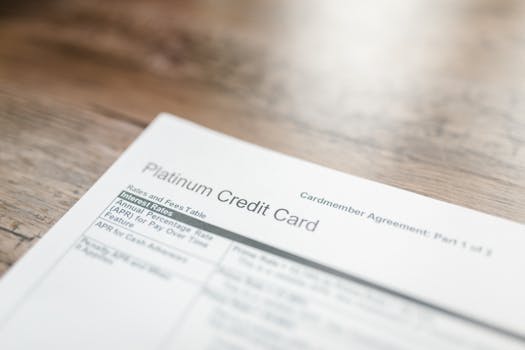
A consumer credit agreement is a legal contract between a lender and a borrower, allowing consumers to obtain goods or services without paying the entire amount upfront. These agreements can take various forms, including credit cards, personal loans, and hire purchase agreements. Understanding the terms and conditions of these agreements is crucial, as they dictate the borrower’s responsibilities and the consequences of non-compliance.
What Happens When You Ignore a Consumer Credit Agreement?
Ignoring a consumer credit agreement can lead to several legal consequences, which can be detrimental to your financial health and overall credit standing. Here are some of the key repercussions:
- Accumulation of Debt: When payments are missed, interest on the outstanding balance continues to accrue, leading to an ever-increasing debt burden.
- Legal Action: Creditors have the right to pursue legal action to recover outstanding debts. This may involve court proceedings, which can result in additional costs for the borrower.
- Negative Impact on Credit Rating: Defaulting on a credit agreement can severely impact your credit score, making it difficult to obtain loans or credit in the future. In South Africa, credit bureaus, such as the National Credit Regulator, track payment histories and share this information with lenders.
- Asset Repossession: In cases of secured loans, ignoring the agreement can lead to repossession of assets, such as vehicles or property.
The Legal Framework Governing Consumer Credit Agreements
In South Africa, consumer credit agreements are primarily regulated by the National Credit Act (NCA) of 2005. The NCA aims to promote responsible lending and borrowing while protecting consumers from unfair practices. Key provisions include:
- Right to Information: Consumers have the right to receive clear and comprehensible information regarding the terms of the agreement.
- Right to Fair Treatment: Creditors must treat consumers fairly and transparently, ensuring that they are not subjected to unfair terms.
- Debt Collection Practices: The NCA outlines acceptable debt collection practices, ensuring that consumers are not harassed or subjected to unethical tactics.
Real-World Examples of Consequences
Understanding the consequences of ignoring a consumer credit agreement is easier through real-world examples. Consider the case of a South African consumer who took out a personal loan of R50,000 with a 20% interest rate. After several missed payments, the lender initiated legal proceedings to recover the debt.
The consumer, unaware of the implications of non-payment, faced the following consequences:
- Legal Fees: The consumer was required to pay legal fees, adding to the overall debt burden.
- Judgment Against Them: A court judgment was obtained by the creditor, marking the consumer’s credit record negatively.
- Repossessed Assets: The consumer had pledged their vehicle as collateral for the loan, leading to repossession.
This example illustrates that the repercussions of ignoring a credit agreement can extend beyond financial penalties to impact one’s personal assets and future borrowing capabilities.
Consumer Protections Under the National Credit Act
While the consequences of ignoring a consumer credit agreement can be severe, the National Credit Act also provides various protections for consumers:
- Debt Review: Consumers facing financial difficulties can apply for debt review, allowing for a reassessment of their debts and repayment plans. This process, regulated by the NCA, can help prevent legal action and allow consumers to manage their debts responsibly.
- Right to Rescind: Under certain circumstances, consumers may have the right to rescind a credit agreement, especially if the lender has not complied with the provisions of the NCA. This can provide a legal avenue for consumers to escape unfair contracts.
- Complaints Mechanism: Consumers can lodge complaints with the National Credit Regulator, which oversees compliance with the NCA and addresses grievances against lenders.
The Role of Credit Bureaus
Credit bureaus play a crucial role in the consumer credit landscape in South Africa. They collect and maintain records of consumers’ credit histories, which lenders use to assess creditworthiness. Ignoring consumer credit agreements can lead to negative entries on your credit report, which can persist for up to five years.
One notable South African credit bureau, TransUnion, provides consumers with access to their credit reports, allowing them to monitor their credit health. Regularly checking your credit report can help you identify inaccuracies and take corrective action before it impacts your ability to secure future credit.
Best Practices for Managing Consumer Credit Agreements
To avoid the serious consequences of ignoring consumer credit agreements, consider the following best practices:
- Read and Understand the Agreement: Before signing any credit agreement, take the time to read and understand the terms, including interest rates, repayment schedules, and penalties for late payments.
- Maintain Open Communication with Lenders: If you anticipate difficulty in making payments, contact your lender immediately. Many lenders offer options for restructuring payments or deferring payments in cases of financial hardship.
- Keep Track of Payments: Use budgeting tools or apps to track your payments and ensure you meet your obligations on time.
- Seek Financial Advice: If you are struggling with debt, consider seeking advice from a financial advisor or a non-profit credit counseling service.
FAQs about Consumer Credit Agreements
What should I do if I cannot make a payment on my credit agreement?
If you’re unable to make a payment, contact your lender immediately to discuss your options. Many lenders are willing to work with you to find a solution that avoids legal action.
Can I dispute the terms of my credit agreement?
Yes, if you believe that the terms are unfair or that the lender has not complied with the National Credit Act, you can dispute the agreement and seek legal advice.
How long does negative information stay on my credit report?
In South Africa, negative information can remain on your credit report for up to five years, affecting your ability to obtain credit during that time.
What is debt review, and how does it work?
Debt review is a formal process that allows consumers to restructure their debts. A debt counselor evaluates your financial situation and proposes a repayment plan that is manageable for you.
Where can I find more information about consumer rights?
The National Credit Regulator provides valuable resources and information regarding consumer rights and protections under the National Credit Act.
In conclusion, understanding the legal consequences of ignoring consumer credit agreements is crucial for any borrower. By being informed and proactive, consumers can protect themselves from the far-reaching repercussions of neglecting their financial obligations.