
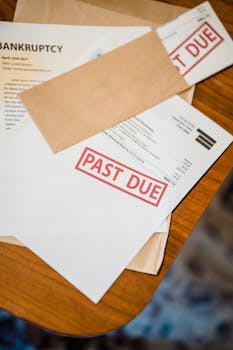
How to Handle Legal Threats From Debt Recovery Agencies
Debt recovery agencies play a significant role in the financial ecosystem, aiding creditors in recovering owed money. However, for many, receiving a communication or threat from these agencies can be unsettling. If you find yourself facing a legal threat from a debt recovery agency, it’s essential to understand your rights and how to effectively respond. This guide will delve into how to handle these situations while ensuring you protect your interests.
Understanding Debt Recovery Agencies
Debt recovery agencies, also known as collection agencies, are companies hired by creditors to collect unpaid debts. They often operate under strict regulations governed by laws such as the National Credit Act in South Africa. The function of these agencies is to recover outstanding debts through various means, including phone calls, letters, and sometimes legal action.
Your Rights as a Debtor
Before responding to any legal threats, it’s crucial to understand your rights. In South Africa, the National Credit Regulator (NCR) outlines several key rights for debtors:
- Right to Information: You have the right to be informed about the debt, including the amount owed and the creditor’s details.
- Protection Against Harassment: Collection agencies cannot harass or intimidate you. They must follow ethical practices in their dealings.
- Right to Dispute: If you believe the debt is inaccurate, you have the right to dispute it formally.
Knowing your rights is the first step to effectively managing any legal threats you might encounter from these agencies.
Receiving a Legal Threat: What to Do?
Receiving a legal threat from a debt recovery agency can be alarming. However, your response is critical in determining the outcome. Here are steps to follow:
1. Stay Calm and Assess the Situation
First and foremost, take a deep breath. While the threat may seem daunting, staying calm allows you to assess your circumstances clearly. Review the communication you received thoroughly. Look for:
- The name of the debt recovery agency
- The amount they claim you owe
- The original creditor’s information
- Any deadlines mentioned in the communication
2. Verify the Debt
Before taking any action, it’s vital to verify whether the debt is legitimate. You may contact the original creditor or check your records to confirm the amount owed. If the debt seems unfamiliar, consider obtaining a credit report from a trusted source, such as Experian South Africa.
3. Document Everything
Keep detailed records of all communications related to the debt. This includes:
- Letters received from the debt recovery agency
- Any phone calls, including dates and the names of representatives
- Your responses to the agency
Documentation will be crucial if the situation escalates or if you need to defend yourself in court.
4. Respond Quickly and Appropriately
Ignoring a legal threat from a debt recovery agency is not advisable. It could lead to further legal action, such as court proceedings. Instead, respond in writing. Your response should include:
- Your acknowledgment of the letter
- Your intention to dispute the debt (if applicable)
- A request for more information if necessary
For instance, if you believe the debt is not yours, clearly state this in your response and ask for validation of the debt. This is known as a debt validation request.
5. Know When to Seek Legal Help
If the debt recovery agency escalates their threats or if you feel overwhelmed, it may be time to seek legal assistance. A qualified attorney can provide guidance tailored to your situation. Look for legal aid organizations or consumer protection agencies that can offer help, such as the Consumer Goods Council of South Africa.
Defending Yourself Against Legal Action
If the debt recovery agency decides to take legal action against you, it’s essential to prepare a defense. Here are some potential defenses:
- Statute of Limitations: In South Africa, there are time limits on how long creditors can pursue debts. If the debt is older than three years, you may have a defense based on the statute of limitations.
- Inaccurate Information: If the debt amount is incorrect or if you were not notified properly, this could be grounds for defense.
- Unfair Practices: If the debt recovery agency used harassment or intimidation tactics, you could have a case against them.
Be prepared to present evidence supporting your claims. This could include documentation of previous payments or communications that demonstrate the validity of your defense.
Negotiating With Debt Recovery Agencies
Sometimes, the best course of action is to negotiate with the debt recovery agency. Here are some strategies:
- Offer a Settlement: If you can afford to pay a portion of the debt upfront, you might negotiate a settlement for a lower amount.
- Request a Payment Plan: If a lump sum payment isn’t feasible, propose a structured payment plan that fits your budget.
- Get It in Writing: Always ensure that any agreement reached is documented in writing to avoid future disputes.
Understanding the Long-Term Implications
It’s essential to consider the long-term implications of how you handle legal threats from debt recovery agencies. Ignoring these threats could lead to:
- Legal Judgments: If the case goes to court and you lose, the agency may obtain a judgment against you, leading to wage garnishment or asset seizure.
- Credit Score Impact: Unresolved debts can negatively impact your credit score, making it challenging to secure loans or credit in the future.
Conversely, addressing the issue proactively can help mitigate these risks and improve your financial standing over time.
Resources for Further Assistance
Several organizations and resources can provide further assistance if you face legal threats from debt recovery agencies:
- National Credit Regulator: Offers guidance on consumer rights and debt management.
- Consumer Goods Council of South Africa: Provides information on consumer rights and support.
- Legal Aid South Africa: Offers legal assistance for those who qualify.
Frequently Asked Questions
What should I do if I receive a court summons from a debt recovery agency?
If you receive a court summons, do not ignore it. Respond within the required timeframe and seek legal assistance to help navigate the process.
Can debt recovery agencies contact my employer?
Debt recovery agencies can contact your employer, but they must follow legal guidelines. They cannot disclose details about your debt to unauthorized parties.
What if I cannot pay the debt at all?
If you are unable to pay the debt, communicate with the agency and explore options such as negotiating a settlement or seeking financial counseling.
Handling legal threats from debt recovery agencies can be overwhelming, but understanding your rights and options is crucial. By taking proactive steps and seeking assistance when necessary, you can navigate these challenges effectively, ensuring your financial health remains intact.