
How to Check Whether a Credit Provider Is Charging the Correct Interest Rate
When it comes to borrowing money, understanding the interest rate charged by your credit provider is crucial. In South Africa, various credit providers operate, and their interest rates can differ significantly. Knowing how to check whether a credit provider is charging the correct interest rate can save you money and ensure you’re not falling prey to predatory lending practices. In this blog post, we’ll explore the steps you can take to evaluate interest rates, the factors that influence them, and the resources available to help you make informed decisions.
Understanding Interest Rates in South Africa
Before diving into how to check the correctness of an interest rate, it’s essential to understand what an interest rate is and how it functions within the context of credit. An interest rate is the cost of borrowing money, expressed as a percentage of the total amount borrowed. In South Africa, interest rates on loans are governed by the National Credit Act (NCA), which aims to protect consumers from unfair lending practices.
According to the NCA, credit providers must adhere to certain regulations regarding how they calculate and disclose interest rates. This includes providing clear information about the total cost of credit, including fees and charges that may apply. However, many consumers may still find themselves confused about whether they are being charged a fair rate.
Factors Affecting Interest Rates
Credit providers consider several factors when determining the interest rate they will charge. Understanding these factors can help you assess whether the rate you are being charged is justified. Key factors include:
- Credit Score: Your credit score plays a significant role in determining the interest rate you are offered. Borrowers with a higher credit score typically qualify for lower rates, while those with poor credit may face higher charges.
- Loan Type: Different types of loans (personal loans, home loans, vehicle financing) may have varying interest rates. For instance, secured loans often have lower rates compared to unsecured loans.
- Market Conditions: Interest rates are influenced by the South African Reserve Bank’s monetary policy and market conditions. When the repo rate changes, credit providers may adjust their rates accordingly.
- Loan Amount and Term: The size of the loan and the repayment period can also impact the interest rate. Generally, larger loans or longer terms may come with different rates.
Steps to Verify the Correctness of an Interest Rate
Knowing how to check whether a credit provider is charging the correct interest rate involves a series of steps. Follow these guidelines to ensure you’re getting a fair deal:
1. Review the Loan Agreement
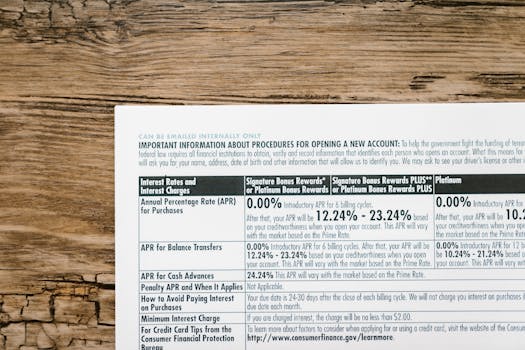
Your first step should be to carefully read through the loan agreement. The agreement should clearly state the interest rate, any associated fees, and the total cost of the loan. Look for terms like “annual percentage rate” (APR), which reflects the yearly cost of borrowing, including interest and fees.
2. Compare Rates with Other Providers
Shop around and compare interest rates from various credit providers. Websites such as National Credit Regulator (NCR) provide resources for consumers to compare different lenders. Comparing rates can give you a benchmark to determine whether your current rate is competitive.
3. Check the National Credit Act Regulations
Familiarize yourself with the National Credit Act and its regulations. The NCA stipulates that credit providers must not charge excessive interest rates. As of 2023, the maximum interest rate for a credit agreement is set at 28% per annum for unsecured loans. If your provider is charging higher than this, they may be acting unlawfully.
4. Use Online Calculators
Utilize online loan calculators to estimate the total amount you’ll pay over the loan term based on the interest rate provided. Websites like Bankrate offer tools that can help you understand how much interest you will pay over time and whether the rate is reasonable based on the loan amount and term.
5. Consult with Financial Advisors
If you’re unsure about the rates you’re being charged, consider consulting a financial advisor or a debt counselor. They can provide guidance and help you understand your rights as a borrower. You can find accredited advisors through the NCR.
Real-World Examples
To further illustrate the importance of checking interest rates, consider the following scenarios:
Example 1: Personal Loan
Jessica applied for a personal loan of R50,000 and was quoted an interest rate of 35% per annum. After doing her research, she discovered that the average rate for similar loans was around 27%. Jessica decided to negotiate with her lender. After presenting her findings, she managed to reduce her interest rate to 28%, saving her over R10,000 in interest payments.
Example 2: Home Loan
Mark and his wife were looking to purchase their first home. They received an offer from a bank with an interest rate of 9%. However, after comparing offers from other banks and using an online calculator, they found a lender offering 7.5%. By switching lenders, they saved a significant amount over the life of their mortgage.
Protecting Yourself from Predatory Lending
Predatory lending refers to unfair, deceptive, or fraudulent practices by lenders. To protect yourself, always keep the following in mind:
- Be wary of lenders who do not disclose all fees upfront.
- Watch for high-pressure sales tactics that rush you into a decision.
- Ensure you understand the terms of the loan before signing anything.
- Report any suspicious practices to the National Credit Regulator.
Frequently Asked Questions
What is a fair interest rate for personal loans in South Africa?
As of 2023, the maximum legal interest rate for personal loans is 28% per annum. However, many lenders offer rates below this cap, particularly for borrowers with good credit scores.
How can I improve my credit score to get a better interest rate?
To improve your credit score, pay your bills on time, reduce your debt-to-income ratio, avoid applying for multiple loans at once, and regularly check your credit report for errors.
What should I do if I suspect I’m being charged an incorrect interest rate?
If you suspect you’re being charged an incorrect interest rate, first review your loan agreement and compare it with other providers. If you believe the rate is unfair, contact the lender for clarification or seek advice from a financial advisor.
In conclusion, knowing how to check whether a credit provider is charging the correct interest rate is crucial for any borrower. By following the steps outlined above, you can empower yourself to make informed financial decisions and avoid unnecessary costs associated with high-interest loans. Your financial health depends on your ability to navigate the lending landscape wisely.