
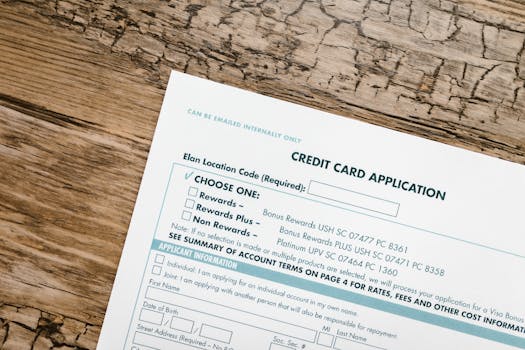
- 1. The Importance of Your Credit Profile
- 2. How Loan Applications Impact Your Credit Score
- 3. The Cumulative Effect of Multiple Applications
- 4. Understanding the 14-Day Rule
- 5. Strategies to Minimize Credit Impact
- 6. Long-Term Effects of Multiple Applications
- 7. When to Seek Help
- 8. Frequently Asked Questions (FAQ)
How Multiple Loan Applications Can Affect Your Credit Profile
In today’s fast-paced financial landscape, many South Africans find themselves needing loans for various reasons, be it for purchasing a home, financing education, or consolidating debt. However, one crucial aspect to consider before applying for multiple loans is how these actions can impact your credit profile. Understanding this is vital, as it can influence your financial health and future borrowing capabilities.
The Importance of Your Credit Profile
Your credit profile is a comprehensive record of your credit history and behavior. It contains details about your credit accounts, repayment history, and any bankruptcies or defaults. In South Africa, credit bureaus like Experian, TransUnion, and Compuscan compile this information. A good credit profile can lead to better interest rates, higher loan amounts, and improved chances of loan approval.
How Loan Applications Impact Your Credit Score
When you apply for a loan, lenders perform a credit check to assess your risk as a borrower. This is known as a hard inquiry or hard pull. Each hard inquiry can temporarily lower your credit score by a few points, typically ranging from 5 to 10 points. While this may seem insignificant, multiple inquiries can accumulate, leading to a noticeable dip in your score.
The Mechanics of Hard Inquiries
Understanding hard inquiries is essential to grasp how multiple loan applications affect your credit profile. Here’s what happens during a hard inquiry:
- Application Submission: When you apply for a loan, the lender requests your credit report.
- Credit Assessment: The lender assesses your creditworthiness based on your credit history.
- Impact on Score: Your score is slightly reduced after the lender obtains your report, typically lasting for about 12 months.
The Cumulative Effect of Multiple Applications
When you apply for multiple loans within a short timeframe, several hard inquiries can occur. This behavior can signal to lenders that you are in financial distress or overextending yourself, which may lead to:
- Higher Risk Perception: Lenders may view you as a risky borrower if they see numerous applications, resulting in potential rejection or higher interest rates.
- Reduced Credit Score: Multiple inquiries can lead to a significant drop in your credit score, affecting your ability to secure loans in the future.
- Loan Denials: A lower credit score may lead to denials from lenders who have strict credit score requirements.
Real-World Examples
Consider the case of a South African individual, Sarah, who recently applied for a personal loan, a vehicle loan, and a home mortgage within just three months. Each application resulted in a hard inquiry. Before these applications, Sarah had a credit score of 750, which is considered good. However, the multiple inquiries dropped her score to below 700.
As a consequence, when Sarah applied for her home mortgage, she was offered a higher interest rate due to her diminished credit score. This demonstrates the tangible effects of multiple loan applications on a credit profile.
Understanding the 14-Day Rule
While multiple loan applications can adversely affect your credit profile, it is crucial to understand the 14-day rule. This rule applies specifically to certain types of loans, such as those for auto loans or mortgages. If you submit applications for these loans within a 14-day period, credit bureaus typically treat them as a single inquiry. This means that your credit score may not suffer as much as it would from multiple inquiries spread out over a more extended period.
However, it is essential to keep this rule in mind and plan your applications accordingly. Make sure to do thorough research before applying for loans, and if possible, consolidate your applications to stay within this window.
Strategies to Minimize Credit Impact
If you find yourself needing multiple loans, consider the following strategies to minimize the impact on your credit profile:
- Check Your Credit Report: Before applying, review your credit report for inaccuracies that could harm your score. You can obtain a free report from each of the major credit bureaus once a year.
- Space Out Applications: If possible, avoid applying for multiple loans at once. Space out your applications by several months to limit the number of hard inquiries.
- Pre-qualification Options: Some lenders offer pre-qualification processes that involve soft inquiries, which do not impact your credit score. Use these options to gauge your eligibility before applying.
- Know Your Needs: Prioritize your loan applications based on necessity. Understanding which loan is most crucial can help you manage your credit profile better.
Long-Term Effects of Multiple Applications
The long-term effects of multiple loan applications can be significant. A lower credit score can lead to higher borrowing costs, limiting your financial opportunities. Additionally, a poor credit profile may hinder your ability to rent a home or even secure employment, as some employers review credit reports as part of their hiring process.
Importance of Building a Strong Credit Profile
Building a robust credit profile takes time and consistent effort. Focus on the following to improve your credit standing:
- Timely Payments: Ensure you pay all your bills on time, as your payment history accounts for a significant portion of your credit score.
- Credit Utilization: Keep your credit utilization ratio below 30%. This ratio compares your credit card balances to your credit limits.
- Diverse Credit Accounts: A mix of credit types, such as revolving credit (credit cards) and installment loans (personal loans), can positively influence your score.
When to Seek Help
If you find yourself struggling with your credit profile due to multiple loan applications or other financial issues, consider consulting a financial advisor or credit counselor. These professionals can provide personalized strategies tailored to your financial situation.
Additionally, organizations like the National Credit Regulator (NCR) offer resources and information on managing credit and loans responsibly.
Frequently Asked Questions (FAQ)
1. How long do hard inquiries affect my credit score?
Hard inquiries typically remain on your credit report for about two years but only impact your score for one year.
2. Can I remove hard inquiries from my credit report?
Hard inquiries cannot be removed if they were authorized by you. However, if you find inaccuracies, you can dispute them with the credit bureau.
3. Is it better to apply for loans at different times or all at once?
It is generally better to space out your loan applications to avoid multiple hard inquiries affecting your score. However, for specific types of loans, applying within a 14-day window can mitigate this impact.
4. What is a good credit score in South Africa?
A credit score of 700 and above is generally considered good in South Africa, while scores below 600 may be deemed poor.
In conclusion, understanding how multiple loan applications can affect your credit profile is crucial for maintaining a healthy financial standing. By being mindful of your credit behavior and taking steps to protect it, you can ensure better access to loans and favorable interest rates in the future.