
- 1. The Basics of Joint Home Loan Applications
- 2. Eligibility Criteria for Unmarried Couples
- 3. Advantages of Joint Home Loans for Unmarried Couples
- 4. Potential Challenges to Consider
- 5. Steps to Apply for a Joint Home Loan
- 6. The Importance of Legal Agreements
- 7. Real-World Example: Navigating Joint Home Loans
- 8. Conclusion: Making Joint Home Loans Work
- 9. FAQ
Understanding How Joint Home Loan Applications Work for Unmarried Couples
In recent years, the landscape of homeownership has evolved significantly, especially for unmarried couples. The concept of joint home loan applications is becoming increasingly popular as more couples choose to live together without tying the knot. In South Africa, understanding how these applications work is crucial for ensuring a smooth home-buying process. This blog post will delve into the intricacies of joint home loan applications for unmarried couples, covering everything from eligibility to potential pitfalls.
The Basics of Joint Home Loan Applications
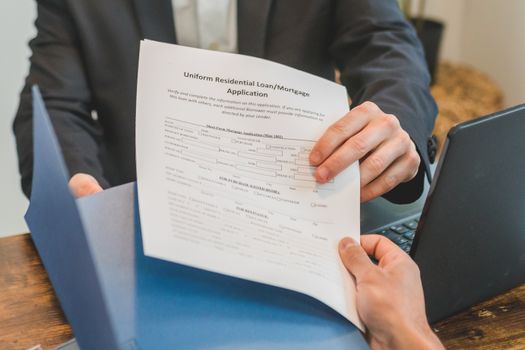
A joint home loan application allows two or more individuals to apply for a mortgage together. This arrangement can be particularly beneficial for unmarried couples who wish to purchase property together. By combining their incomes and credit histories, they can increase their chances of approval and potentially secure a larger loan amount.
When applying for a joint home loan, both applicants share responsibility for the mortgage. This means that both parties will be equally liable for repayments, and their financial histories will be assessed by lenders. In South Africa, banks and financial institutions have specific criteria for evaluating joint applications.
Eligibility Criteria for Unmarried Couples
For unmarried couples considering a joint home loan, several eligibility criteria must be met:
- Income Verification: Lenders typically require proof of income from both parties. This can include payslips, bank statements, and tax returns.
- Credit History: Both applicants’ credit scores will be evaluated. A higher combined credit score can enhance the chances of loan approval.
- Debt-to-Income Ratio: Lenders will assess the ratio of combined debt to income to ensure that the applicants can afford the mortgage repayments.
- Deposit: A larger deposit can improve the chances of approval and may result in better interest rates.
It’s essential for both parties to have open discussions about their finances, including existing debts and financial obligations, before applying for a joint home loan.
Advantages of Joint Home Loans for Unmarried Couples
There are several advantages to applying for a joint home loan as an unmarried couple:
- Increased Borrowing Potential: By combining incomes, couples can typically qualify for a larger loan compared to applying individually.
- Shared Financial Responsibility: Both parties share the financial burden, making it easier to manage repayments.
- Improved Approval Chances: A strong combined credit score and financial history can enhance the likelihood of loan approval.
- Flexibility in Ownership: Joint ownership allows couples to split property costs, making homeownership more accessible.
Potential Challenges to Consider
While there are numerous benefits to joint home loan applications, unmarried couples should also be aware of potential challenges:
- Legal Implications: Without a formal legal agreement, disputes may arise if the relationship sours, especially regarding property ownership and financial responsibilities.
- Credit Impact: If one party defaults on payments, it can negatively impact both parties’ credit scores.
- Difficulty in Separation: Selling or refinancing a shared property can be complex if the relationship ends.
It’s advisable for couples to seek legal advice to draft an ownership agreement that outlines each party’s rights and responsibilities in the event of a breakup.
Steps to Apply for a Joint Home Loan
Applying for a joint home loan involves several key steps:
- Assess Finances: Both applicants should review their financial situations, including credit scores, income, and existing debts.
- Research Lenders: Compare different banks and financial institutions to find the best mortgage rates and terms. Websites like NCR (National Credit Regulator) offer valuable insights into lenders in South Africa.
- Get Pre-Approved: Pre-approval gives a clearer picture of how much you can borrow and what your monthly repayments will be.
- Gather Documentation: Prepare necessary documentation, including ID documents, proof of income, bank statements, and tax returns.
- Submit Application: Complete the application form with the chosen lender and submit all required documents.
- Review Loan Offers: Once you receive loan offers, carefully review the terms and conditions before making a decision.
- Finalize the Loan: After selecting a lender, finalize the loan agreement and prepare for closing.
The Importance of Legal Agreements
Even though unmarried couples can apply for joint home loans, it is crucial to establish a legal framework to protect both parties. A cohabitation agreement or a property ownership agreement can clarify how the property will be managed and what happens if the relationship ends.
These agreements can outline:
- Ownership percentages
- Responsibilities for mortgage payments and maintenance
- What happens in the event of a breakup
Consulting with a legal professional can ensure that both parties are adequately protected and that all potential scenarios are accounted for.
Real-World Example: Navigating Joint Home Loans
Consider the case of Sarah and Tom, an unmarried couple living in Cape Town. They decided to purchase a home together after years of renting. After assessing their finances, they discovered that combining their incomes allowed them to qualify for a mortgage of R1.5 million.
They opted for a joint home loan application, which required them to submit their payslips, bank statements, and credit histories. After receiving pre-approval, they found a property they loved. However, before signing the mortgage agreement, they consulted a lawyer to draft a cohabitation agreement that outlined how they would handle mortgage payments and what would happen if one of them decided to move out.
This proactive approach not only eased their purchase process but also provided peace of mind for both parties.
Conclusion: Making Joint Home Loans Work
Joint home loan applications can be a viable path to homeownership for unmarried couples, provided that both parties are fully informed of the implications. By understanding the eligibility criteria, potential benefits, and challenges, couples can navigate the process more effectively. Additionally, establishing legal agreements can help protect both individuals in the long run, ensuring that the journey toward homeownership is a positive experience.
FAQ
Can unmarried couples apply for a joint home loan?
Yes, unmarried couples can apply for a joint home loan, and it often increases their borrowing potential.
What documents are required for a joint home loan application?
Typically, lenders require ID documents, proof of income, bank statements, and credit histories from both applicants.
What happens if one party cannot make payments?
Both parties are equally responsible for the mortgage, so if one party defaults, it can negatively impact both individuals’ credit scores.
Is a legal agreement necessary for unmarried couples?
While not legally required, having a cohabitation or property ownership agreement is highly advisable to protect both parties’ interests.
For more information on joint home loans and financial advice, visit the South African Reserve Bank.