
- 1. The Basics of Car Insurance Coverage
- 2. Understanding Storm Damage and Your Policy
- 3. Common Exclusions in Car Insurance Policies
- 4. Real-World Examples and Case Studies
- 5. How to Choose the Right Coverage
- 6. Insurance Claims Process for Storm Damage
- 7. The Importance of Regular Policy Reviews
- 8. Frequently Asked Questions (FAQ)
Does Car Insurance Cover Damage From a Falling Branch During a Storm?
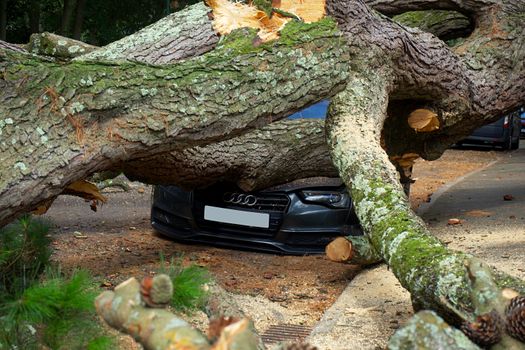
As stormy weather becomes more frequent in South Africa, many vehicle owners find themselves asking important questions about their car insurance. One of the most pressing inquiries is whether car insurance covers damage from a falling branch during a storm. Understanding your coverage can save you from unexpected expenses and ensure peace of mind during severe weather conditions.
The Basics of Car Insurance Coverage
Before diving into the specifics of storm-related damage, it’s essential to grasp the types of car insurance coverage available in South Africa. The primary categories include:
- Third-Party Liability: This is the minimum legal requirement and covers damages to other vehicles or property but does not cover your vehicle’s damages.
- Comprehensive Insurance: This type covers a wide range of incidents, including theft, fire, and environmental damage, such as that from falling branches.
- Third-Party, Fire, and Theft: This falls in between, covering third-party damages along with fire and theft, but not comprehensive environmental damage.
Understanding these categories is crucial, as they determine whether or not you will be compensated for damages incurred during a storm.
Understanding Storm Damage and Your Policy
When it comes to damage from falling branches during storms, the type of insurance you hold plays a significant role. For instance, if a tree branch falls on your car while parked at home, your policy will dictate whether you can file a claim.
Comprehensive Coverage Explained
Comprehensive car insurance is designed to protect your vehicle from non-collision-related incidents, which includes damage caused by falling objects like tree branches. If you have a comprehensive policy, you are generally covered for such damage, provided that you can demonstrate that the incident was not due to negligence on your part.
What to Do After Damage Occurs
In the event that your vehicle is damaged by a falling branch, the first step is to document the incident. Here’s how:
- Take Photos: Capture the damage to your vehicle and the branch that caused it.
- Gather Witnesses: If anyone saw the incident, collect their contact information.
- Notify Your Insurance Company: Report the incident as soon as possible to begin the claims process.
These steps will aid in ensuring that your claim is processed smoothly and efficiently.
Common Exclusions in Car Insurance Policies
While car insurance can cover damage from falling branches, there are exceptions and exclusions that policyholders should be aware of. Some common exclusions include:
- Negligence: If it can be shown that you did not maintain your vehicle or parked it in a hazardous area, your claim may be denied.
- Acts of God: Some policies may cite “Acts of God” as exclusions, although most comprehensive policies cover natural disasters and associated damages.
- Uninsured Property Damage: If the branch that fell was from a tree on your property and was dead or diseased, your claim may be impacted.
Always read the fine print of your policy and consult with your insurance provider for clarification on what is and isn’t covered.
Real-World Examples and Case Studies
Understanding how insurance policies work in real scenarios can provide valuable insights. A notable case involved a Cape Town resident whose car was damaged by a falling branch during a heavy storm. The damage amounted to R25,000, and since the individual had comprehensive coverage, the insurance company covered the majority of the costs after the deductible.
In contrast, another case involved a Johannesburg driver who parked his vehicle under a tree. When a branch fell, damaging his car, the insurance company denied the claim. The reason? The policy excluded damages incurred due to negligence, as the insured had parked under a known hazardous tree.
How to Choose the Right Coverage
Choosing the right coverage is essential, especially if you live in areas prone to severe weather. Here are some tips for selecting the best car insurance coverage:
- Assess Your Needs: Consider factors like your vehicle’s age, your financial situation, and the weather conditions in your area.
- Shop Around: Compare different insurance providers and their offerings. Websites like Moneyweb can help in this regard.
- Ask Questions: Reach out to potential insurers to clarify the details of coverage, especially concerning storm damage.
Taking these steps will help ensure that you have the necessary coverage in place for unforeseen circumstances.
Insurance Claims Process for Storm Damage
If you find yourself in a situation where you need to file a claim for damage caused by a falling branch, follow these guidelines:
- Contact Your Insurer: Notify them about the incident and provide all necessary documentation.
- Complete a Claim Form: Most insurance companies will require you to fill out a claim form, which can often be found on their website or through their app.
- Follow Up: Keep communication lines open to ensure that your claim is being processed in a timely manner.
Each insurance company may have its own process, so it’s advisable to be familiar with your provider’s specific requirements.
The Importance of Regular Policy Reviews
Given the unpredictable nature of weather, it’s wise to regularly review your insurance policy. This allows you to ensure that you have adequate coverage for storm-related damages. As your life circumstances change—whether you purchase a new vehicle or move to a different region—adjusting your coverage accordingly is essential.
Insurance experts recommend reviewing your policy annually or whenever significant life changes occur. This proactive approach can save you from potential headaches in the future.
Frequently Asked Questions (FAQ)
1. Will my car insurance cover damage from a falling branch if I have third-party liability?
No, third-party liability does not cover damages to your vehicle. You would need comprehensive coverage to be insured against falling branches.
2. What if the branch fell from a tree on my property?
Damage from a branch falling from a tree on your property may still be covered under comprehensive insurance, but it depends on your policy’s specific terms and whether negligence can be proven.
3. How can I prevent damage from falling branches during storms?
Regularly maintain trees on your property and avoid parking under trees during stormy weather to reduce the risk of damage.
4. How long do I have to file a claim after an incident?
The timeframe for filing a claim varies by insurer. Typically, you should report the incident as soon as possible, often within 30 days.
In conclusion, understanding your car insurance coverage, especially regarding storm damage from falling branches, is crucial for all vehicle owners in South Africa. With comprehensive insurance, you can have peace of mind during the next storm, knowing that you are protected against unexpected damages.