
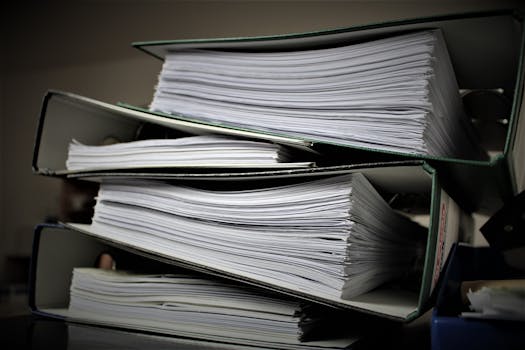
Why Reading Policy Documents Saves You Thousands
In today’s fast-paced world, where information is abundant yet often overwhelming, the importance of understanding policy documents cannot be overstated. Whether you are dealing with insurance policies, financial contracts, or employment agreements, taking the time to read these documents can significantly impact your finances. In this post, we will explore how reading policy documents can save you thousands of rands and why neglecting them can lead to expensive mistakes.
The Hidden Costs of Ignoring Policy Documents
Many individuals and businesses overlook the fine print in policy documents, assuming that they are standard or irrelevant. However, this can lead to costly repercussions. According to a study conducted by the Consumer Financial Protection Bureau, nearly 70% of consumers do not fully understand their financial agreements. This lack of understanding can lead to unexpected fees and lost benefits.
- Insurance Policies: Failing to read the exclusions in your health or auto insurance can leave you exposed to significant out-of-pocket expenses.
- Loan Agreements: Many loan documents contain hidden fees and penalties for early repayment that can add up quickly.
- Lease Agreements: Not understanding your lease terms can result in unexpected charges or even eviction.
Understanding the Benefits of Reading Policy Documents
Taking the time to thoroughly read and comprehend policy documents provides numerous benefits that can translate to substantial financial savings:
1. Identifying Potential Savings
Many policies include discounts or benefits that may not be readily apparent. For example, a health insurance policy may offer a discount for routine check-ups or wellness programs. By being proactive and reading the policy, you can take advantage of these offerings. The Sanlam Group, one of South Africa’s leading financial services groups, emphasizes the importance of understanding your insurance policy to maximize your benefits.
2. Avoiding Unnecessary Exclusions
Insurance policies often contain exclusions that can catch policyholders off-guard. For instance, a common exclusion in home insurance is damage caused by flooding. If homeowners do not read their policy, they may assume they are covered for all types of water damage, leading to significant repair costs. The South African Government provides guidelines on understanding insurance policies that can help consumers avoid such pitfalls.
3. Negotiating Better Terms
Reading through a contract allows you to identify areas where you may negotiate better terms. Financial institutions often have room for negotiation, especially for loans or credit agreements. By being informed about your rights and options, you can save money on interest rates or fees.
4. Enhancing Financial Literacy
Regularly reviewing policy documents improves your financial literacy. The more you familiarize yourself with financial terminology and clauses, the better equipped you will be to make informed decisions in the future. The Financial Sector Conduct Authority (FSCA) provides resources for improving financial literacy that can empower consumers.
Real-World Examples of Savings
Many individuals have shared their experiences of how reading policy documents saved them significant amounts of money. Here are a few examples:
Case Study 1: Homeowner’s Insurance
A Cape Town resident discovered that her homeowner’s insurance policy did not cover theft from her garden shed, which she had assumed was included. After reading the policy, she contacted her insurer and added coverage for an additional R200 per month. This small investment ultimately saved her R15,000 when her tools were stolen.
Case Study 2: Car Insurance
A Johannesburg-based driver was unaware that her auto insurance policy included a no-claims discount. By reading her policy carefully, she learned that maintaining a clean driving record for a year would reduce her premium by 25%. This knowledge saved her R1,500 annually.
How to Effectively Read Policy Documents
The task of reading policy documents can seem daunting, but with the right approach, it becomes manageable:
- Take Your Time: Don’t rush through the document. Set aside dedicated time to read and understand it fully.
- Highlight Key Sections: Use a highlighter or take notes on important points, such as exclusions, terms, and conditions.
- Ask Questions: If something is unclear, don’t hesitate to contact the provider for clarification.
- Seek Professional Help: Consider consulting a financial advisor or legal professional if you encounter complex terms.
Common Misconceptions About Policy Documents
Many people hold misconceptions about policy documents that can lead to financial pitfalls:
- “I don’t need to read it; it’s just a formality.” – This belief can be dangerous. Understanding the terms can save you from costly surprises.
- “I trust my agent; they wouldn’t mislead me.” – While agents are generally trustworthy, they may not disclose every detail unless specifically asked.
- “I can always change it later.” – Modifying a policy later may not be as easy or cost-effective as you think.
The Importance of Staying Informed
The landscape of policies and regulations is constantly changing. It’s crucial to stay informed about any updates to your policies and relevant laws. Subscribing to newsletters from your service providers or following financial news can help you stay ahead. Websites like Fin24 offer valuable insights into financial matters that can further educate consumers.
Frequently Asked Questions
Why is reading policy documents so important?
Reading policy documents helps you understand your rights and responsibilities, avoid hidden costs, and take advantage of potential savings.
What should I look for when reading a policy document?
Focus on exclusions, benefits, fees, and your obligations. Highlight any terms that are unclear and seek clarification.
Can I negotiate my insurance or loan terms after reading the policy?
Yes, understanding your policy can empower you to negotiate better terms based on your knowledge of the document.
Are there resources available to help me understand policy documents?
Yes, organizations like the FSCA and the Consumer Financial Protection Bureau offer resources that can help improve your understanding.
In conclusion, taking the time to read and understand policy documents can save you thousands in the long run. By being informed, you can avoid unnecessary expenses, enhance your financial literacy, and make informed financial decisions. Don’t underestimate the power of knowledge—make reading policy documents a priority today!