
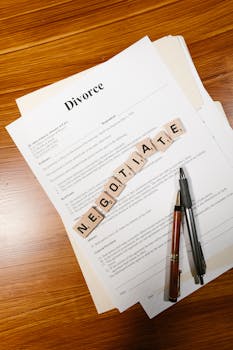
What to Know About Claim Settlement Negotiations
When it comes to settling claims, whether they be insurance claims, personal injury claims, or other forms of legal disputes, the process of claim settlement negotiations can often be complex and daunting. Understanding the key elements of this process can empower individuals to negotiate effectively and achieve a favorable outcome. In this comprehensive guide, we will explore the essential aspects of claim settlement negotiations, including strategies, common pitfalls, and real-world examples.
The Basics of Claim Settlement Negotiations
Claim settlement negotiations involve discussions between parties to resolve a claim without going to court. This process can occur in various contexts, including:
- Insurance Claims: These are typically related to auto accidents, property damage, or health-related incidents.
- Personal Injury Claims: Often involve negotiations between the injured party and the liable party’s insurance company.
- Business Disputes: These can include contract disputes or liability claims between companies.
Understanding the nuances of these negotiations can significantly influence the outcome. According to the American Bar Association, a vast majority of claims are settled before they reach trial, underscoring the importance of negotiation skills.
Key Elements of Effective Negotiation
Successful claim settlement negotiations hinge on several critical elements:
Preparation is Key
Before entering into negotiations, thorough preparation is crucial. This includes gathering all relevant documentation such as:
- Medical records
- Accident reports
- Estimates for damages
- Witness statements
Having a well-documented case allows you to present your argument more convincingly. For example, a study by the National Association of Insurance Commissioners (NAIC) indicates that claimants who come prepared with documentation often receive higher settlements than those who do not.
Understanding the Other Party’s Position
Negotiation is not just about asserting your demands; it’s equally about understanding the other party’s motivations and constraints. Knowing their likely stance can help you tailor your approach. For instance, if you’re negotiating with an insurance adjuster, be aware that their goal is to minimize costs for their company.
Setting Realistic Goals
Establishing clear and realistic goals before negotiations can provide a roadmap for discussions. Determine your minimum acceptable settlement and your ideal outcome. This will help you navigate offers and counteroffers effectively.
Effective Communication
Being able to communicate your position clearly and assertively is crucial during negotiations. Use clear language and avoid jargon that may confuse the other party. Active listening is equally important; it shows respect and can provide insights into the other party’s concerns.
Common Strategies for Negotiation
Employing effective strategies can significantly enhance your negotiation outcomes. Here are some tactics commonly used in claim settlement negotiations:
Building Rapport
Establishing a positive relationship with the opposing party can facilitate smoother negotiations. A simple approach is to engage in small talk before discussing the claim, which can humanize the process and create a cooperative atmosphere.
Using Objective Standards
Referencing objective standards or industry benchmarks can strengthen your position. For example, if you’re discussing a personal injury claim, citing average settlements for similar injuries can provide a solid basis for your demands. Websites like Nolo offer resources on average settlement amounts based on case types.
Being Willing to Walk Away
Demonstrating that you are willing to walk away from negotiations can be a powerful tactic. This shows that you value your claim and are not desperate for a quick resolution. However, this tactic requires careful consideration; it should only be employed if you genuinely have alternative options.
Common Pitfalls to Avoid
While navigating claim settlement negotiations, several common mistakes can undermine your position:
Accepting the First Offer
Often, the first offer from the opposing party is lower than what they are ultimately willing to pay. Accepting this offer without negotiation can lead to a settlement far below your potential recovery. Always counteroffer and negotiate for a better deal.
Emotional Responses
Negotiations can be emotionally charged, especially in personal injury cases. Allowing emotions to dictate your responses can cloud your judgment. Stay calm and focused on the facts to navigate negotiations more effectively.
Neglecting Legal Advice
In many cases, seeking advice from a legal professional can provide insights that you may overlook. Lawyers experienced in negotiation can help strategize and ensure that you are not settling for less than you deserve. According to the American Bar Association, having legal representation can often lead to significantly higher settlements.
Real-World Examples
Understanding practical applications of negotiation strategies can illuminate their effectiveness. Consider the following case studies:
Case Study: Car Accident Settlement
A claimant involved in a car accident sought $30,000 for medical expenses, lost wages, and pain and suffering. Initially, the insurance company offered $15,000. The claimant, armed with medical records and evidence of lost wages, countered with a demand of $35,000. After negotiations, the parties settled at $25,000. This example illustrates the importance of preparation and counter-offering.
Case Study: Workplace Injury
In a workplace injury case, an employee was offered a settlement of $10,000. The employee consulted with a lawyer, who advised them to gather more evidence, including witness statements and medical documentation. After further negotiations, the settlement was increased to $18,000, demonstrating the value of legal advice and thorough documentation.
Final Thoughts on Claim Settlement Negotiations
Understanding the intricacies of claim settlement negotiations can significantly impact the outcome of your claim. By being prepared, recognizing the other party’s position, employing effective strategies, and avoiding common pitfalls, you can navigate the negotiation landscape more effectively. Always consider seeking legal guidance to enhance your negotiating power and ensure that your rights are protected.
FAQs
What is the typical timeline for claim settlement negotiations?
The timeline can vary widely depending on the complexity of the claim and the willingness of both parties to negotiate. Generally, it can take anywhere from a few weeks to several months.
Should I hire a lawyer for negotiations?
While it is not mandatory, hiring a lawyer can provide significant advantages, especially in complex cases. They can help ensure that you receive a fair settlement.
What if negotiations fail?
If negotiations do not yield a satisfactory result, you may consider pursuing legal action. However, this should be a last resort after all negotiation avenues have been exhausted.
Can I negotiate directly with an insurance adjuster?
Yes, you can negotiate directly with an insurance adjuster. However, having legal representation can often lead to better outcomes, as lawyers have experience in navigating these discussions.
In conclusion, being informed and strategic about claim settlement negotiations can make a significant difference in achieving a favorable resolution. Equip yourself with knowledge and resources to navigate these discussions with confidence.