
- 1. The Impact of Flood Damage on Vehicles
- 2. Types of Insurance Coverage for Flood Damage
- 3. Steps to Take After Your Vehicle is Damaged by Flooding
- 4. Understanding the Claims Process for Flood Damage
- 5. Real-World Examples of Flood Damage Claims
- 6. Preventive Measures Against Flood Damage
- 7. Conclusion
- 8. FAQ
What Happens When an Insured Vehicle Is Damaged by Flooding
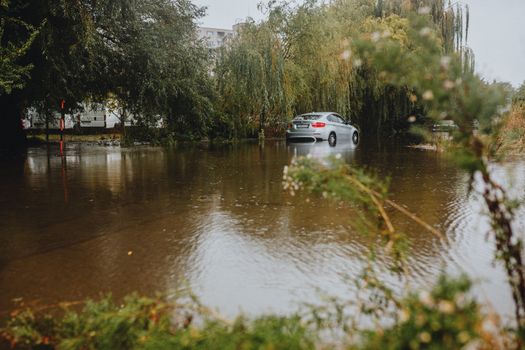
Flooding can wreak havoc on vehicles, often leading to extensive damage that can leave owners feeling overwhelmed. If you live in an area prone to heavy rains or flooding, understanding the implications of flood damage to insured vehicles is essential. This blog post will explore what happens when your insured vehicle suffers flood damage, how your insurance works in these situations, and what steps you should take afterward.
The Impact of Flood Damage on Vehicles
Flood damage can affect a vehicle in several ways, including:
- Electrical System Failures: Water can seep into the car’s electrical components, causing shorts and failures.
- Corrosion: Prolonged exposure to water can lead to rust and corrosion, which can compromise the vehicle’s structural integrity.
- Engine Damage: If water enters the engine, it can cause severe damage, often referred to as “hydrolock.”
- Interior Damage: Upholstery, carpeting, and electronic systems can be damaged if water infiltrates the cabin.
According to the Federal Emergency Management Agency (FEMA), flooding is one of the most common natural disasters in the United States, and its impact can be felt worldwide, including South Africa. Understanding the extent of the damage is crucial for vehicle owners, especially when it comes to insurance claims.
Types of Insurance Coverage for Flood Damage
When it comes to flood damage, your vehicle’s insurance coverage plays a pivotal role. In South Africa, there are generally two types of coverage that could apply:
- Comprehensive Insurance: This type of coverage typically includes damage from natural disasters, including floods. If you have comprehensive coverage, you will likely be protected against losses due to flood damage.
- Third-Party Insurance: This coverage generally does not include protection for flood damage. If your vehicle is damaged due to flooding, you may not be compensated for repairs unless you have additional coverage.
It’s essential to check your policy details to understand what is covered in the event of flood damage. If you’re unsure, reaching out to your insurance agent can provide clarity on your specific coverage.
Steps to Take After Your Vehicle is Damaged by Flooding
If your insured vehicle has suffered flood damage, taking immediate action can help facilitate the claims process and minimize further damage. Here are the steps you should follow:
1. Ensure Your Safety
Your safety is the top priority. If you’re in an area with flooding, ensure that you are in a safe location. Avoid returning to your vehicle until it is safe to do so.
2. Document the Damage
Once it is safe, document the extent of the damage. Take clear photographs of the vehicle from multiple angles, including close-ups of specific areas that show water damage. Record any visible signs of flooding, such as water levels inside and outside the vehicle.
3. Contact Your Insurance Company
Notify your insurance provider about the damage as soon as possible. Many insurers have dedicated claims teams that handle natural disaster claims. Provide them with the documentation you gathered, including photographs and a description of what happened.
4. Get a Professional Assessment
Have a qualified mechanic or auto body shop assess the damage. They can provide a detailed report on the extent of the repairs needed and whether the vehicle is a total loss. This information will be crucial for your insurance claim.
5. File Your Claim
Once you have all the necessary information, it’s time to file your claim. Be sure to include all documentation, including the assessment from the mechanic, photographs, and any other relevant information requested by your insurer.
Understanding the Claims Process for Flood Damage
The claims process for flood damage can vary depending on your insurance provider, but generally, it follows these steps:
- Claim Submission: Submit your claim along with all supporting documents.
- Investigation: The insurance company will assign an adjuster to investigate the claim. They may contact you for additional details and may also inspect the vehicle.
- Coverage Determination: The adjuster will determine whether the damage is covered under your policy and the extent of compensation.
- Claim Settlement: If the claim is approved, your insurance company will issue a settlement for the repairs or total loss.
It’s important to keep records of all communications with your insurance provider, as this can help expedite the claims process and resolve any potential disputes.
Real-World Examples of Flood Damage Claims
In South Africa, severe weather events have led to significant flooding, affecting numerous vehicles. For instance, in April 2022, devastating floods in KwaZulu-Natal caused widespread damage to homes and vehicles. Many residents were left to navigate the complexities of insurance claims for their flooded vehicles. Reports indicated that those with comprehensive coverage were able to receive compensation for repairs, while others faced financial losses due to lacking adequate coverage.
According to a report by the Independent Online, the aftermath of such disasters highlights the importance of understanding your insurance policy and being prepared for unexpected events.
Preventive Measures Against Flood Damage
While it’s impossible to completely prevent flooding, there are steps you can take to mitigate the risk of damage to your vehicle:
- Park Wisely: Avoid parking your vehicle in flood-prone areas, especially during heavy rainfall.
- Install Flood Barriers: If you live in a high-risk flood zone, consider installing flood barriers around your property.
- Regular Maintenance: Keep your vehicle well-maintained to reduce the chance of severe damage if flooding occurs.
Taking these precautions can help protect your vehicle and potentially lower your insurance premiums over time.
Conclusion
Understanding what happens when an insured vehicle is damaged by flooding is essential for vehicle owners, especially in regions prone to severe weather. By knowing the types of coverage available, the steps to take after an incident, and the claims process, you can better navigate the complexities of insurance and minimize your financial loss. Always stay informed about your insurance policy and consider preventive measures to safeguard your vehicle against future flooding.
FAQ
What should I do if my vehicle is submerged in water?
If your vehicle is submerged, prioritize your safety first. Once safe, document the damage and contact your insurance provider.
Does comprehensive insurance cover flood damage?
Yes, comprehensive insurance typically covers flood damage, but it’s essential to review your policy to confirm.
How can I prevent my vehicle from being damaged by floods?
Avoid parking in flood-prone areas, consider flood barriers, and maintain your vehicle regularly to reduce risks.
What happens if my vehicle is considered a total loss due to flooding?
If your vehicle is deemed a total loss, your insurance company will typically compensate you for its market value, minus any deductibles.
Staying informed and proactive can make a significant difference in the unfortunate event of flood damage to your vehicle. Always consult with your insurance provider for the most accurate and relevant information regarding your coverage.