
- 1. Understanding Different Types of Banking Fees
- 2. Researching Banking Fees Online
- 3. Contacting Banks Directly
- 4. Reading the Fine Print
- 5. Using Banking Apps and Tools
- 6. Understanding Your Financial Needs
- 7. Real-World Examples of Banking Fees
- 8. Monitoring Your Account Post-Opening
- 9. Conclusion: Making a Well-Informed Decision
- 10. FAQs
How to Check Your Banking Fees Before Opening a New Account
When it comes to choosing a new bank account, understanding the associated banking fees is crucial. Many individuals overlook this aspect, assuming that all accounts are similar in terms of costs. However, a recent study published by the South African Reserve Bank indicates that banking fees can vary significantly across different institutions, potentially saving or costing you hundreds of rands each year. This guide will walk you through how to effectively check your banking fees before making a decision.
Understanding Different Types of Banking Fees
Before diving into the details of checking banking fees, it’s essential to understand the various types of fees that banks may charge. Here are some common fees you might encounter:
- Monthly Maintenance Fees: A standard fee for maintaining your account.
- Transaction Fees: Charges that apply each time you make a transaction, such as withdrawals or payments.
- ATM Fees: Fees incurred when using an ATM not affiliated with your bank.
- Overdraft Fees: Charges for withdrawing more money than is available in your account.
- Foreign Transaction Fees: Costs incurred when making purchases in foreign currencies.
- Account Closure Fees: Fees for closing an account before a specified period.
Researching Banking Fees Online
In the digital age, one of the most effective ways to check banking fees is through online research. Most banks provide detailed descriptions of their accounts and fees on their websites. Here’s how you can make the most of this resource:
- Visit Official Bank Websites: Go directly to the bank’s official website. Look for a section related to their personal banking products, where they typically list account types and associated fees.
- Compare Multiple Banks: Use comparison tools available on financial websites like FNB, Absa, or Standard Bank. These sites allow you to compare fees for different accounts side by side.
- Utilize Government Resources: The South African Reserve Bank provides guidelines and resources that can help you understand typical banking fees.
Contacting Banks Directly
While online resources are valuable, nothing beats direct communication. Here’s how to effectively reach out to banks:
- Call Customer Service: Most banks have a dedicated customer service line. Prepare a list of specific questions regarding fees before you call. Ask about monthly fees, transaction limits, and any additional costs.
- Visit a Local Branch: If feasible, visiting a branch can provide personalized assistance. A bank representative can explain the fee structure and even offer promotions not listed online.
Reading the Fine Print
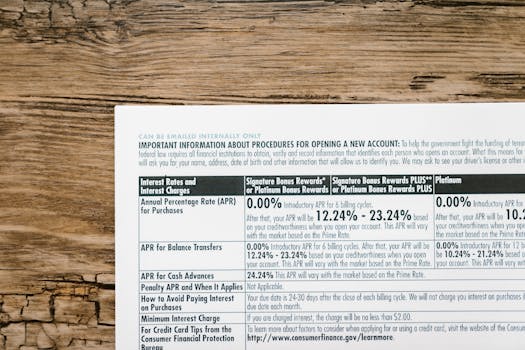
When reviewing a bank’s fee schedule, it’s essential to read the fine print. Many people overlook important details that can lead to unexpected charges. Pay attention to:
- Account Minimums: Some accounts require a minimum balance to avoid monthly fees. Ensure you understand these requirements.
- Promotional Periods: Banks often offer low or no fees for an introductory period. Confirm how long this lasts and what fees will apply afterward.
- Fee Waivers: Some banks offer ways to waive fees through direct deposits or maintaining a minimum balance. Make sure you’re aware of these options.
Using Banking Apps and Tools
Many banks now offer mobile apps that provide transparency regarding your banking fees. Here’s how to leverage technology:
- Download Bank Apps: After opening an account, use your bank’s mobile app to monitor transactions and any fees applied. This will help you stay informed about your account’s status.
- Utilize Budgeting Tools: Financial management apps such as MoneyHub can help track your expenses and alert you to any banking fees charged.
Understanding Your Financial Needs
Before selecting a bank, evaluate your financial habits. Do you make frequent ATM withdrawals, or do you prefer online banking? Understanding your habits will guide you in choosing an account with the most beneficial fee structure. Consider the following:
- Frequency of Transactions: If you make frequent transactions, look for accounts with low transaction fees.
- Cash vs. Digital Banking: If you rarely use cash, you might benefit from an online-only bank, which typically has lower fees.
Real-World Examples of Banking Fees
To illustrate the importance of checking banking fees, let’s look at a couple of examples from popular South African banks:
- FNB: Offers an Easy Account with no monthly fee but charges R6.50 for withdrawals at ATMs and R1.50 for debit orders. If you make frequent withdrawals, this can add up quickly.
- Absa: Their Access account has a monthly fee of R5, but charges R5 for ATM withdrawals and R6 for debit orders. This demonstrates how even small fees can accumulate over time.
Monitoring Your Account Post-Opening
Once you’ve opened an account, it’s crucial to keep monitoring your fees regularly. Banks can change their fee structures, and staying informed will help you avoid unnecessary charges. Here’s how to do it:
- Regularly Review Statements: Make it a habit to review your monthly statements for any unfamiliar charges.
- Set Alerts: Many banks allow you to set up alerts for transactions and fees, helping you stay proactive.
Conclusion: Making a Well-Informed Decision
When opening a new bank account, understanding your potential banking fees can save you significant amounts of money in the long run. By researching online, contacting banks directly, and carefully reading the fine print, you can choose the best account that aligns with your financial habits. Remember, the more informed you are, the better financial decisions you’ll make.
FAQs
- What are the typical monthly banking fees in South Africa? Monthly fees can range from R0 to R100, depending on the bank and the type of account.
- Can I negotiate banking fees? Some banks may be willing to waive certain fees if you maintain a high balance or set up direct deposits.
- How often should I review my banking fees? It’s advisable to review your fees at least once a year or whenever you notice a significant change in your account activity.
By following these guidelines, you can ensure that you are making an informed choice when it comes to your banking needs, ultimately leading to better financial health.