
- 1. Understanding Potholes and Their Impact on Vehicles
- 2. Insurance Coverage: What You Need to Know
- 3. Steps to Take After Pothole Damage
- 4. Insurance Claims and Pothole Damage
- 5. Real-World Example: Pothole Claims in Action
- 6. The Importance of Regular Vehicle Maintenance
- 7. Conclusion
- 8. Frequently Asked Questions (FAQ)
What Happens If Your Car Is Damaged by a Pothole and You Have Insurance
Potholes are a common hazard on South African roads, often causing significant damage to vehicles. If you find yourself in this unfortunate situation, you may wonder, “What happens if your car is damaged by a pothole and you have insurance?” Understanding your insurance coverage and the steps to take can help ease the burden of unexpected repair costs.
Understanding Potholes and Their Impact on Vehicles
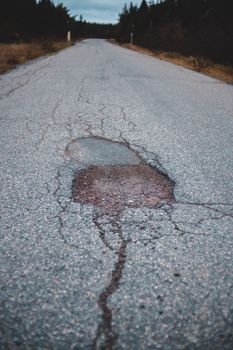
Potholes form when water seeps into cracks in the road surface and then freezes, causing the asphalt to expand and contract. This process, combined with traffic stress, leads to the formation of depressions that can be severe enough to damage vehicles. Common damage from potholes includes:
- Tire blowouts
- Wheel misalignment
- Suspension damage
- Exhaust system damage
- Bodywork dents and scratches
According to the National Highway Traffic Safety Administration (NHTSA), potholes account for thousands of accidents each year, leading to serious injuries and costly repairs. In South Africa, the road maintenance budget often falls short, resulting in poorly maintained roads that exacerbate this issue.
Insurance Coverage: What You Need to Know
When your vehicle sustains damage from a pothole, your next step is to consult your insurance policy. The type of coverage you have significantly influences how your claim will be processed. In South Africa, the two primary types of car insurance are:
- Comprehensive Insurance: This type of coverage typically protects against a wide range of incidents, including theft, vandalism, and damage from potholes. If your vehicle is damaged by a pothole, comprehensive insurance can cover the costs of repairs, provided you adhere to the terms of your policy.
- Third-Party Insurance: If you only have third-party insurance, you are not covered for damage to your own vehicle, regardless of the cause. This means that if your car is damaged by a pothole, you’ll have to bear the repair costs yourself.
Steps to Take After Pothole Damage
If your car has been damaged by a pothole, follow these steps to ensure you handle the situation correctly:
1. Assess the Damage
Immediately after hitting a pothole, inspect your vehicle for visible damage. Look for:
- Flat or damaged tires
- Unusual noises from the suspension
- Steering wheel misalignment
- Fluid leaks
If you notice any of these issues, do not drive your vehicle until it has been assessed by a professional.
2. Document the Incident
Take photos of the pothole, your vehicle’s damage, and the surrounding area. This documentation can serve as vital evidence when filing your insurance claim.
3. Report the Pothole
Notify your local authorities about the hazardous pothole. In South Africa, you can report road issues to your municipality. This not only helps you but also protects other drivers from similar damage. For example, the South African Government provides resources for reporting road conditions.
4. Contact Your Insurance Provider
Reach out to your insurance company as soon as possible. Provide them with all relevant information, including the photos and details of the incident. Many insurers allow you to file claims online, making the process more straightforward.
5. Get a Repair Estimate
Before proceeding with repairs, obtain a detailed estimate from a licensed mechanic. This estimate will be necessary for your insurance claim. Ensure that the repair shop is approved by your insurer to avoid any complications.
6. Submit Your Claim
Complete the claim form provided by your insurer, attaching all necessary documents, including:
- The repair estimate
- Photos of the damage and pothole
- A copy of your vehicle registration
Be sure to keep copies of everything for your records.
Insurance Claims and Pothole Damage
Filing an insurance claim for pothole damage can be a straightforward process if you have comprehensive coverage. However, it’s essential to understand that each insurance policy can vary significantly. Here are some key points to consider:
Coverage Limitations
Some insurance policies may have specific exclusions related to road hazards. Always read your policy carefully to understand what is covered. Additionally, check for any deductibles that may apply. For example, if your deductible is higher than the repair costs, it may not be worth filing a claim.
Claim Approval Process
After submitting your claim, your insurer will review the documentation. They may send an adjuster to assess the damage before approving the claim. This process can take anywhere from a few days to several weeks, depending on your insurer’s practices.
Real-World Example: Pothole Claims in Action
In a notable case, a South African driver hit a pothole that caused extensive damage to their vehicle. After documenting the incident and reporting it to the local municipality, the driver filed a claim with their comprehensive insurance provider. They provided all necessary documentation, including repair estimates and photographs. The insurer approved the claim and covered the repair costs, demonstrating the importance of having adequate coverage.
The Importance of Regular Vehicle Maintenance
While insurance can help cover the costs after damage occurs, regular vehicle maintenance can prevent some issues related to potholes. Here are a few maintenance tips:
- Check Tire Pressure: Ensure your tires are inflated to the recommended pressure to reduce the risk of blowouts.
- Inspect Suspension Components: Regularly check your vehicle’s suspension for wear and tear.
- Alignment Checks: Have your wheel alignment checked, especially after hitting a pothole.
By maintaining your vehicle properly, you can minimize the risks associated with pothole damage.
Conclusion
Pothole damage can be a frustrating experience for any driver, but knowing how to navigate your insurance options can alleviate some of the stress. If your vehicle sustains damage from a pothole and you have comprehensive insurance, you have a pathway to recover repair costs. Always document the damage, report the pothole, and communicate effectively with your insurance provider to ensure a smooth claims process.
Frequently Asked Questions (FAQ)
What should I do if my car is damaged by a pothole?
Assess the damage, document the incident, report the pothole to local authorities, and contact your insurance provider to file a claim.
Will my insurance cover pothole damage?
If you have comprehensive insurance, it typically covers damage from potholes. However, check your policy for specific exclusions.
How can I report a pothole in South Africa?
You can report potholes to your local municipality or use government resources available on the South African Government website.
What if my insurance claim is denied?
If your claim is denied, review your policy for reasons and consider appealing the decision. You may also consult with an insurance advisor for further assistance.