
How Insurers Handle Claims for Water Damage
Water damage can strike at any moment, whether it’s due to a sudden storm, a burst pipe, or even an overflowing bathtub. As a homeowner or renter, understanding how insurers handle claims for water damage is crucial for navigating the often complex claims process. In this article, we will discuss the intricacies of water damage claims, the steps involved in filing a claim, and how to ensure your claim is processed efficiently.
The Types of Water Damage Covered by Insurance
Before diving into how insurers handle claims, it’s important to clarify the types of water damage that are typically covered by homeowners insurance. Generally, water damage can fall into three main categories:
- Sudden and Accidental Damage: This includes incidents like burst pipes or unexpected leaks. Most homeowners insurance policies cover this type of damage.
- Gradual Damage: This refers to issues like mold growth and water seepage from a slow leak. Often, this type is not covered by standard policies.
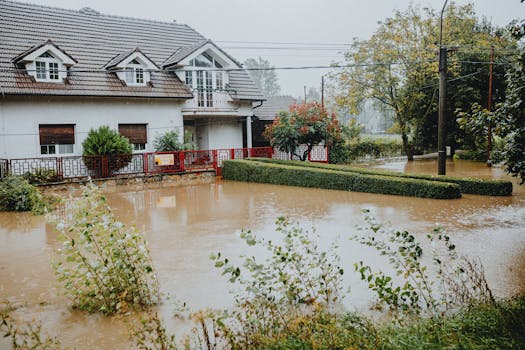
- Flood Damage: Water damage resulting from flooding is usually not covered under standard homeowners insurance. Separate flood insurance is required.
Understanding these distinctions can significantly impact your claims experience. For further information, the Federal Emergency Management Agency (FEMA) provides resources on flood insurance and coverage options.
Steps to File a Water Damage Claim
Filing a claim for water damage can be a daunting task. However, knowing the steps can simplify the process. Here’s a detailed look at how to navigate this journey:
1. Document the Damage
The first step in filing a claim is to document the damage thoroughly. Take photographs or videos of the affected areas, including any personal property that has been damaged. This documentation will be crucial for your insurer when assessing your claim.
2. Mitigate Further Damage
After documenting the damage, it’s essential to take immediate steps to prevent further damage. This could involve turning off the water supply, contacting a professional for repairs, or using fans and dehumidifiers to dry out affected areas. Note that insurers often expect policyholders to mitigate damage where possible, and failure to do so may lead to complications in your claim.
3. Notify Your Insurer
Contact your insurance company as soon as possible to report the incident. Most policies have a time limit for reporting claims, so prompt notification is essential. Be prepared to provide details about the incident and the extent of the damage.
4. File the Claim
When filing the claim, you’ll typically need to fill out a claims form provided by your insurer. This form may require specifics about the cause of the damage, the extent of the damage, and any actions taken to mitigate it. Ensure you include all relevant documentation, including photographs, repair estimates, and any receipts for emergency repairs.
5. Meet with the Adjuster
After your claim is filed, an insurance adjuster will be assigned to assess the damage. They will visit your home to evaluate the extent of the water damage and determine whether it falls under your policy’s coverage. Be prepared to answer questions and provide any additional documentation they may request.
6. Understand the Settlement Process
Once the adjuster has completed their assessment, you will receive a claims decision. If your claim is approved, the insurer will provide a settlement amount. However, it’s important to note that the settlement may not always cover the full cost of repairs. Understanding your policy limits and deductibles is essential at this stage.
Common Challenges in Water Damage Claims
While many claims are processed smoothly, several challenges can arise during the process of claiming for water damage:
- Policy Exclusions: Be aware of what your policy does not cover. As mentioned earlier, gradual damage and certain types of flooding may not be covered.
- Underinsurance: If your policy limits are too low, the payout may not cover the total cost of repairs.
- Documentation Issues: Inadequate documentation can delay the claims process or lead to claim denial.
- Disagreements with Adjusters: Sometimes, there may be a discrepancy between what the policyholder believes is a fair settlement and what the adjuster determines.
Being proactive about understanding your insurance policy and maintaining thorough documentation can help mitigate these challenges.
Real-World Examples
To illustrate how insurers handle claims for water damage, consider the case of a homeowner in Johannesburg whose basement flooded after heavy rains. After documenting the damage and quickly notifying their insurer, the homeowner successfully filed a claim. The insurer sent an adjuster to assess the situation and approved a settlement that covered the costs of water extraction and repairs.
Conversely, another homeowner in Cape Town faced challenges due to inadequate documentation. They neglected to take photos of the initial damage, which made it difficult for the adjuster to assess the extent of the claim. As a result, the claim was partially denied, and the homeowner was left to cover a significant portion of the repair costs themselves.
Tips for a Smooth Claims Process
To enhance your experience when filing a claim for water damage, consider these practical tips:
- Regularly Review Your Policy: Ensure that you understand your coverage and any exclusions.
- Keep Records: Maintain an inventory of your possessions and their approximate values, along with any receipts for significant purchases.
- Communicate Clearly: Be honest and clear in your communications with your insurer and the adjuster.
- Consider Professional Help: If your claim is complex or if you face challenges, consider hiring a public adjuster to advocate on your behalf.
Frequently Asked Questions (FAQ)
What should I do if my water damage claim is denied?
If your claim is denied, review your policy to understand the reasoning behind the denial. You can appeal the decision by providing additional documentation or clarification to your insurer.
Does homeowners insurance cover water damage from a burst pipe?
Yes, most homeowners insurance policies cover sudden and accidental water damage, including damage from a burst pipe. However, always check your specific policy for details.
Is flood damage covered under homeowners insurance?
No, standard homeowners insurance policies typically do not cover flood damage. You will need to purchase a separate flood insurance policy to be protected against flood-related incidents.
How long does it take to process a water damage claim?
The time it takes to process a water damage claim can vary widely depending on the complexity of the claim, the responsiveness of the parties involved, and the insurer’s policies. On average, it can take anywhere from a few days to several weeks.
Conclusion
Understanding how insurers handle claims for water damage empowers homeowners and renters alike to navigate the claims process efficiently. By taking proactive steps and knowing what to expect, you can ensure that you receive the coverage you’re entitled to when disaster strikes. For more information on insurance claims and water damage, the North Carolina Department of Insurance offers valuable resources and guidance.