
- 1. Understanding Car Insurance Policies in South Africa
- 2. Does Comprehensive Insurance Cover Flood Damage?
- 3. What Constitutes Flood Damage?
- 4. Factors Influencing Flood Damage Coverage
- 5. Real-World Examples of Flood Damage Coverage
- 6. Steps to Take After Flood Damage
- 7. Insurance Tips for Flood-Prone Areas
- 8. Frequently Asked Questions
- 9. Final Thoughts
Does Car Insurance Cover Flood Damage in South Africa?
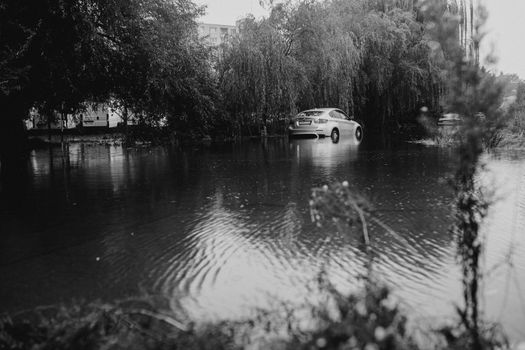
When it comes to car insurance, one of the most common questions that South African vehicle owners ask is whether their policy covers damage caused by natural disasters, specifically flooding. Given the unpredictable weather patterns and increasing incidence of severe storms in South Africa, understanding your insurance coverage is crucial. In this blog post, we will delve into the intricacies of car insurance policies, specifically focusing on flood damage coverage in South Africa, what factors affect it, and how to protect your vehicle from such damages.
Understanding Car Insurance Policies in South Africa
In South Africa, car insurance typically falls into three main categories:
- Third-Party Insurance: This is the most basic form of insurance, which covers damages to other vehicles or property if you are at fault in an accident. However, it does not cover any damage to your own vehicle.
- Third-Party, Fire, and Theft Insurance: This coverage includes everything from third-party insurance as well as protection against theft and fire incidents, but still excludes comprehensive coverage for natural disasters.
- Comprehensive Insurance: This is the most extensive type of coverage and includes protection against a wide range of risks, including accidents, theft, vandalism, and often, natural disasters like floods.
Does Comprehensive Insurance Cover Flood Damage?
To answer the question directly, yes, comprehensive car insurance generally covers flood damage. However, the specifics can vary significantly between insurance providers and individual policies. Most comprehensive plans will include coverage for damages caused by floods, but it’s important to read the fine print of your policy.
According to a study by the Parliamentary Monitoring Group, many South African insurers are increasingly including natural disaster clauses in their policies due to the rising frequency of such events. These clauses often stipulate the conditions under which claims can be made, including the definition of flooding and the requirements for documentation.
What Constitutes Flood Damage?
To qualify for a claim under your comprehensive insurance policy, the damage must be classified as flood damage. Generally, this refers to water damage resulting from:
- Heavy rainfall that exceeds the drainage capacity of the area.
- Overflow from rivers or dams.
- Storm surges and rising sea levels.
However, it is essential to note that not all water damage may be classified as flood damage. For instance, damage from a burst pipe or a leaking roof is usually not covered under flood insurance. Therefore, understanding the definitions outlined in your insurance policy is vital.
Factors Influencing Flood Damage Coverage
While comprehensive policies generally provide coverage for flood damage, several factors can influence your claim, including:
- Geographic Location: Living in areas prone to flooding may affect the terms of your insurance policy. Insurers may impose higher premiums or specific exclusions if you live in a flood-prone area.
- Policy Exclusions: Each insurance policy has specific exclusions. For example, some may not cover vehicles parked in low-lying areas or those left unattended during a flood warning.
- Claim Limits: Your policy may have a limit on the amount payable for flood-related claims. Always check these limits before an incident occurs.
Real-World Examples of Flood Damage Coverage
In 2022, South Africa experienced significant flooding in various provinces, causing extensive damage to vehicles and properties. Many insurance companies reported a surge in claims related to flood damage. For instance, Insurance.com reported that clients in KwaZulu-Natal faced challenges when filing flood claims due to policy exclusions. Some discovered that while they had comprehensive insurance, their specific policies did not cover damages incurred in certain high-risk flood zones.
This highlights the importance of understanding the fine print of your insurance agreement. If you had a vehicle damaged in the floods but were unaware of your policy’s exclusions, you might find yourself without coverage when you need it most.
Steps to Take After Flood Damage
If your vehicle has sustained flood damage, it’s essential to follow a series of steps to ensure a smooth claim process:
- Document the Damage: Take clear photographs of the vehicle, highlighting the areas affected by floodwaters. This will be crucial when filing your claim.
- Contact Your Insurer: Notify your insurance provider as soon as possible. Most companies have a dedicated claims department to handle such scenarios.
- Follow Instructions: Your insurer may provide specific instructions on how to proceed. Be sure to follow these closely to avoid any complications.
- Seek Repairs: Once your claim is approved, you can begin repairs. Ensure that you use an authorized repair shop for the best results.
Insurance Tips for Flood-Prone Areas
If you live in a flood-prone area, consider the following tips to minimize risks:
- Review Your Policy Annually: Regularly review your insurance policy to ensure it meets your needs, especially if you’ve moved to a new area.
- Consider Additional Coverage: Some insurers offer additional flood insurance. It might be worth considering if you live in a high-risk area.
- Install Preventive Measures: If possible, take steps to protect your vehicle, such as parking it in elevated areas during heavy rains or investing in flood barriers.
Frequently Asked Questions
Will my car insurance cover flood damage if I parked in a low-lying area?
Typically, most comprehensive policies will cover flood damage regardless of where the vehicle was parked. However, specific terms may apply, and insurers may scrutinize claims based on the vehicle’s location during the flood.
How do I know if my policy covers flood damage?
The best way to determine if your policy covers flood damage is to carefully read your insurance agreement or consult with your insurance provider. Ask specific questions about flood coverage and any potential exclusions.
What should I do if my claim is denied?
If your claim is denied, review the reasons provided by your insurer. You can appeal the decision by providing additional documentation or evidence supporting your claim. Consulting with an insurance advisor or legal expert may also be beneficial.
Are there any exclusions for flood damage in comprehensive car insurance?
Yes, certain exclusions may apply depending on the policy. Common exclusions include damage caused by standing water or negligence in securing the vehicle. Always consult your policy for details.
Final Thoughts
In conclusion, while comprehensive car insurance generally covers flood damage in South Africa, it is crucial to understand the details of your policy. Given the unpredictable nature of weather patterns and the increase in flooding events, ensuring that your vehicle is adequately covered is not just wise; it’s essential. By being informed and prepared, you can better protect your investment and navigate any challenges that arise from flood damage.