
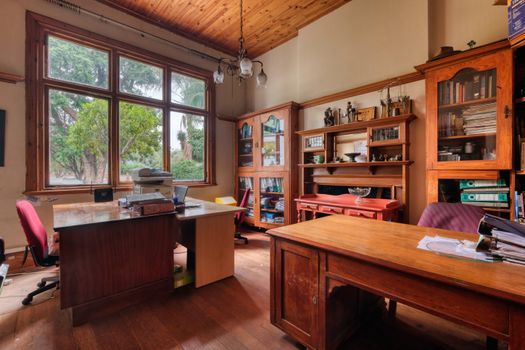
Can You Convert a Residential Property Into a Business Premises in South Africa?
The transformation of a residential property into a business premises is a common query among South African homeowners. Whether you’re looking to operate a small business from your house or considering a larger-scale conversion, understanding the legalities, zoning laws, and practicalities is essential. In this blog post, we will explore the nuances of converting a residential property into a business premises in South Africa, detailing the key considerations, processes, and benefits involved.
Understanding Zoning Regulations
Before taking any steps toward converting your residential property into a business premises, it’s crucial to familiarize yourself with local zoning regulations. Zoning laws vary significantly across municipalities and dictate whether a property can be used for residential or commercial purposes.
- Local Municipalities: Each municipality in South Africa has its own set of zoning regulations. For instance, the City of Cape Town has a detailed zoning scheme that outlines permissible land uses in different areas.
- Consulting the Town Planning Department: It’s advisable to consult your local town planning department to determine the zoning classification of your property. This will help you understand if your property can legally accommodate a business.
For more information on zoning regulations, you can visit the City of Cape Town’s Planning and Building page.
Obtaining the Necessary Permits
If your property is zoned for residential use, you will likely need to apply for a rezoning permit or a business license to proceed with the conversion. This process can be intricate and time-consuming, so it’s essential to be prepared. Here’s a breakdown of the steps involved:
- Submit an Application: Complete the necessary application forms available from your local municipality. This may include details about your proposed business operations.
- Notify Neighbors: In some cases, you may need to inform your neighbors about your intent to convert the property. This step can help mitigate potential objections.
- Public Participation: Municipalities often require public participation, where community members can voice their support or concerns regarding your application.
- Await Approval: The approval process may take several weeks to months, depending on the municipality and the complexity of your application.
For detailed guidelines, refer to the Municipal Systems Act that governs municipal planning in South Africa.
Considerations for Different Types of Businesses
The type of business you wish to operate can significantly impact the conversion process. Here are a few common types of businesses and considerations for each:
Home-based Businesses
If you’re looking to start a small home-based business, such as a freelance consultancy or an online store, you may face fewer restrictions. However, it’s still essential to comply with local regulations regarding:
- Noise levels
- Traffic generated by clients or deliveries
- Signage restrictions
Retail and Customer-facing Businesses
For businesses that require foot traffic, such as a hair salon or a boutique, the conversion process can be more complex. You will need to ensure:
- Your property has adequate parking facilities.
- There are no restrictions on signage and advertising.
- Your business complies with health and safety regulations.
Food-related Businesses
If you plan to run a restaurant, café, or any food-related business, you will have to adhere to stringent health regulations. This includes:
- Obtaining health permits from local health authorities.
- Ensuring that your kitchen and dining areas meet safety standards.
- Complying with fire safety regulations.
Financial Implications of Conversion
Converting a residential property into a business premises can have significant financial implications. Here are a few aspects to consider:
- Tax Considerations: Operating a business from your home may affect your property taxes. Consult a tax advisor to understand the implications of declaring a portion of your home as a business.
- Insurance Costs: You may need to update your insurance policy to cover business-related risks. This can lead to higher premiums.
- Renovation Costs: Depending on the nature of your business, you may need to invest in renovations to make the property suitable for commercial use.
Consider seeking advice from financial experts or business consultants who can provide guidance tailored to your situation.
Benefits of Converting a Residential Property
While the process may seem daunting, there are numerous advantages to converting your residential property into a business premises:
- Reduced Commute: Working from home eliminates daily commutes, saving time and money.
- Cost Savings: You may save on rental costs compared to leasing commercial space.
- Tax Deductions: You may be eligible for tax deductions related to home office expenses, which can reduce your overall taxable income.
Real-world Examples
Several South Africans have successfully converted their homes into thriving business hubs. For instance, a couple in Johannesburg turned their home into a boutique guesthouse, catering to tourists and business travelers. They navigated the zoning regulations, obtained the necessary permits, and created a vibrant space that not only generates income but also enhances their local community.
Another example is a graphic designer in Durban who transformed her garage into a creative studio. By ensuring compliance with local regulations and keeping her operations minimal, she successfully established a thriving freelance business.
Maintaining Compliance with Local Laws
Once your residential property has been converted into business premises, it’s crucial to maintain compliance with local laws and regulations. Regular inspections by municipal authorities may occur, and any violations can result in fines or the revocation of your business license. Stay informed about changes in legislation and ensure that your business practices align with local standards.
FAQ Section
Can I operate any type of business from my residential property?
No, you cannot operate any business without checking local zoning laws. It’s important to confirm with your municipality what types of businesses are permissible in your area.
What is the process for rezoning my property?
The process typically involves submitting an application to your local municipality, notifying neighbors, and possibly undergoing public participation. The timeline can vary based on local regulations.
Are there specific permits required for food businesses?
Yes, food-related businesses need to obtain health permits and comply with stringent health and safety regulations. Consult local health authorities for specific requirements.
How can I ensure my business complies with local regulations?
Stay informed about local laws by consulting with your municipality, seeking legal advice, and regularly reviewing compliance requirements.
In conclusion, the journey to convert a residential property into business premises in South Africa is multifaceted but achievable with the right knowledge and preparation. By understanding zoning laws, obtaining the necessary permits, and ensuring compliance, you can turn your residential property into a successful business venture.