
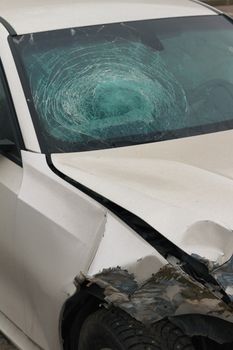
Can You Claim Car Insurance for Damage Caused by a Hit-and-Run Driver?
Experiencing a car accident is stressful enough, but when the other driver flees the scene, it can leave you feeling helpless and uncertain about your next steps. If you find yourself in this situation, you may be wondering, can you claim car insurance for damage caused by a hit-and-run driver? In this comprehensive guide, we will explore your options, the insurance claims process, and provide valuable insights to help you navigate this challenging scenario.
Understanding Hit-and-Run Accidents
A hit-and-run accident occurs when a driver involved in a collision fails to stop and provide their information or assist the injured parties. This behavior is not only illegal but can also create significant problems for the victim in terms of insurance claims and financial recovery. According to a report by the South African Insurance Association (SAIA), hit-and-run incidents account for a notable percentage of all road accidents in South Africa, highlighting the importance of understanding your rights in these situations.
What to Do Immediately After a Hit-and-Run
If you are involved in a hit-and-run, your immediate actions are crucial. Here are steps you should take:
- Stay Calm: Take a deep breath and assess your situation, ensuring you are safe.
- Document the Scene: Take photographs of your vehicle, the surrounding area, and any damage incurred.
- Gather Witness Information: If there are any witnesses, collect their contact details.
- Report to the Police: File a police report as soon as possible. This report is essential for your insurance claim.
- Notify Your Insurance Company: Contact your insurer to inform them of the incident.
Understanding Your Insurance Coverage
Determining whether you can claim for damages caused by a hit-and-run driver primarily depends on your insurance policy and the coverage you have selected. In South Africa, most car insurance policies include the following coverage types:
- Comprehensive Coverage: This is the most inclusive form of car insurance. If you have comprehensive coverage, you can typically claim for damages caused by a hit-and-run driver, regardless of fault.
- Third-Party Liability: This type of coverage only covers damages you cause to others, meaning you will not be compensated for your own vehicle’s damages in a hit-and-run.
- Uninsured Motorist Coverage: Some insurers offer this additional protection, covering you in cases where the at-fault driver is uninsured or cannot be identified.
Filing a Claim: What You Need to Know
If you have comprehensive coverage or uninsured motorist coverage, you can proceed with filing a claim. Here’s what you need to do:
1. Gather Necessary Documentation
Prepare the following documents to support your claim:
- Police Report: A copy of the report you filed with the police that documents the hit-and-run incident.
- Photos of the Damage: Visual evidence of your vehicle’s damages and the accident scene.
- Witness Statements: Any statements or contact information from witnesses who saw the incident.
- Medical Reports: If you sustained injuries, include any medical documentation.
2. Contact Your Insurance Provider
Reach out to your insurance company to inform them about the incident. Be prepared to provide all the gathered documentation and details of the accident. Your insurer will guide you through the claims process and inform you of any additional information needed.
3. Understand the Claims Process
Each insurance company has its own claims process, but generally, you can expect the following steps:
- Claim Submission: Submit your claim along with all supporting documents.
- Investigation: The insurance company will investigate the incident, which may include contacting witnesses and reviewing the police report.
- Claim Approval: If your claim is approved, your insurer will provide you compensation for the damages, minus any applicable deductibles.
Challenges You May Face
While filing a claim for damages from a hit-and-run driver is possible, there are challenges you might encounter, such as:
- Identifying the Other Driver: If the other driver cannot be identified, it may complicate the claims process, especially if you lack uninsured motorist coverage.
- Policy Exclusions: Read your policy carefully, as some policies may have exclusions regarding hit-and-run accidents.
- Claim Denials: Insurers may deny claims based on lack of evidence or policy restrictions. If this happens, understand your rights and consider appealing the decision.
Real-World Examples
To illustrate the complexities of hit-and-run claims, consider the following scenarios:
In one case, a driver in Johannesburg experienced a hit-and-run when another vehicle struck her car and fled. She had comprehensive coverage, which allowed her to file a claim. The insurer requested the police report and photographs of the damage, which she provided. After a thorough investigation, her claim was approved, and her vehicle was repaired at no cost to her.
Conversely, another driver who only had third-party liability coverage faced difficulties after a hit-and-run. Unable to claim for her damages, she had to pay out of pocket for repairs because her policy did not cover her damages. This highlights the importance of understanding your insurance coverage.
Conclusion
In summary, whether you can claim car insurance for damage caused by a hit-and-run driver largely depends on your policy type. Understanding your coverage, documenting the incident, and following the proper claims process are crucial steps to recovering your losses. If you find yourself in this unfortunate situation, take action quickly and consult with your insurer for guidance.
Frequently Asked Questions
1. What should I do if I cannot find the hit-and-run driver?
If the hit-and-run driver cannot be identified, you may still file a claim if you have comprehensive or uninsured motorist coverage. Your insurance company will guide you through the process.
2. How long do I have to file a claim after a hit-and-run?
In South Africa, you should report the accident to your insurer as soon as possible. Most insurance policies require claims to be filed within a specific timeframe, often within 30 days of the incident.
3. Will my insurance premium increase if I file a claim for a hit-and-run?
Filing a claim can impact your insurance premiums. However, if you were not at fault, your insurer may not increase your rates. It’s best to discuss this with your insurance provider.
For more information on car insurance in South Africa, visit the Insurance Institute of South Africa for reliable resources.