
- 1. The Informal Sector: A Lifeline for Townships
- 2. Innovation in Adversity
- 3. The Role of Community and Social Networks
- 4. Government and NGO Support Initiatives
- 5. Access to Microfinance and Alternative Funding
- 6. Leveraging Local Resources
- 7. Building Resilience through Diversification
- 8. A Global Perspective: Lessons from Other Countries
- 9. Future Prospects for Township Economies
- 10. Frequently Asked Questions
Why **Township Economies** Keep Moving Even During Crises
The resilience of **township economies** in South Africa is a phenomenon that has garnered attention, especially during times of economic downturns and crises. Despite facing numerous challenges such as high unemployment rates, limited access to capital, and infrastructural issues, township businesses continue to thrive and innovate. This blog post explores the underlying factors contributing to the ongoing vibrancy of these economies, even amidst adversity.
The Informal Sector: A Lifeline for Townships
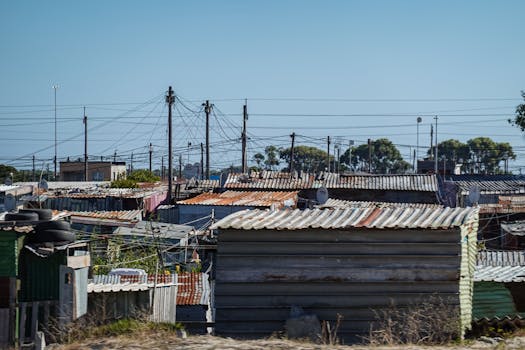
One of the most significant components of **township economies** is the informal sector. According to Statistics South Africa, the informal sector accounts for a substantial portion of employment in these areas. Many residents turn to entrepreneurship as a means of survival, creating small businesses that range from street vending to hair salons and food stalls. This adaptability is crucial, particularly during crises like the COVID-19 pandemic.
- Flexibility: Informal businesses can quickly adapt to changing circumstances, whether it’s shifting their product offerings or modifying their hours of operation.
- Community Support: Local residents are often the primary customers, fostering a sense of community and mutual support during challenging times.
- Low Overheads: Many informal businesses operate with minimal startup costs, making it easier for entrepreneurs to start and sustain their ventures.
Innovation in Adversity
During crises, necessity drives innovation. **Township economies** have demonstrated remarkable creativity in adapting to challenges. For instance, during the COVID-19 lockdowns, many entrepreneurs pivoted to e-commerce and delivery services. Businesses that once relied solely on foot traffic quickly established online platforms to reach their customers.
One notable example is the rise of mobile food delivery services in townships like Soweto and Khayelitsha. These platforms not only provided an essential service during lockdowns but also created job opportunities for local residents. According to a report by the South African Government, the shift to digital platforms has been a game-changer for many township businesses, allowing them to reach a broader audience.
The Role of Community and Social Networks
Strong community ties play a vital role in ensuring that **township economies** remain active, especially during crises. Informal support networks, such as savings clubs and community cooperatives, provide financial backing and resources to entrepreneurs. These networks often serve as a safety net during tough times, allowing business owners to access funding or assistance when needed.
- Mutual Aid: Community members often band together to support one another, whether through shared resources or by purchasing from local businesses.
- Skill Sharing: Residents frequently share skills and knowledge, enabling new entrepreneurs to learn from established business owners.
- Collective Bargaining: Groups can negotiate better prices for supplies, reducing costs and increasing profitability.
Government and NGO Support Initiatives
The South African government, along with various non-governmental organizations (NGOs), has recognized the importance of supporting **township economies**. Initiatives aimed at empowering entrepreneurs through training, funding, and resources have been implemented to bolster these local economies. For example, the Small Enterprise Development Agency (SEDA) provides various services, including business advice and access to funding, specifically targeting small businesses in townships.
Moreover, partnerships between government entities and private organizations have led to programs that aim to uplift township economies. These initiatives focus on providing training in digital literacy, financial management, and business development, equipping entrepreneurs to better navigate crises.
Access to Microfinance and Alternative Funding
Access to capital is often cited as a significant barrier for entrepreneurs in **township economies**. However, innovative microfinance solutions have emerged to fill this gap. Organizations such as FinMark Trust work to improve access to financial services for underserved communities. Microloans and peer-to-peer lending initiatives have allowed entrepreneurs to secure the necessary funds to start or expand their businesses.
These funding options provide a crucial lifeline during economic crises, enabling business owners to sustain their operations and even grow. By leveraging alternative funding sources, township entrepreneurs can remain agile and responsive to changing market conditions.
Leveraging Local Resources
Many township businesses capitalize on local resources, including raw materials and labor, to minimize costs and maximize efficiency. This resourcefulness helps sustain these economies, even during challenging times. For example, local artisans may use locally sourced materials to create handmade goods, which can be marketed regionally or even internationally.
Furthermore, the push for sustainability has led to an increase in eco-friendly businesses within townships. Initiatives that focus on recycling, upcycling, and using sustainable materials are gaining traction, creating new economic opportunities while addressing environmental concerns.
Building Resilience through Diversification
Many successful township entrepreneurs have learned the importance of diversification. By offering multiple products or services, businesses can reduce their reliance on any single revenue stream. This strategy has proven effective during crises when consumer demand may fluctuate. For instance, a local food vendor might expand their menu or start offering catering services to adapt to changing customer preferences.
Moreover, diversified businesses are better positioned to weather economic storms. During the recent economic downturns, many township entrepreneurs who had diversified their offerings reported less impact on their overall income compared to those who relied solely on one type of product or service.
A Global Perspective: Lessons from Other Countries
The resilience of **township economies** is not unique to South Africa. Similar patterns can be observed in other developing regions where informal economies thrive. For instance, in Brazil’s favelas, residents have established informal markets that continue to flourish despite socio-economic challenges. In India, street vendors have adapted to crises by utilizing mobile technology to reach customers more efficiently.
These global examples highlight a common thread: the ability of informal economies to innovate and adapt in the face of adversity. By learning from these examples, South African township entrepreneurs can continue to find creative solutions that ensure their businesses remain viable during crises.
Future Prospects for Township Economies
As we look to the future, the continued growth and resilience of **township economies** will depend on several factors. Investment in infrastructure, enhanced access to education, and ongoing support from government and NGOs will be crucial in fostering an environment where township entrepreneurs can thrive.
Moreover, fostering partnerships between formal and informal sectors can create synergies that benefit both parties. By collaborating, established businesses can mentor and support township entrepreneurs, while the informal sector can inject vibrancy and innovation into the formal economy.
Frequently Asked Questions
- What are township economies?
**Township economies** refer to the economic activities and businesses that operate within South Africa’s townships, often characterized by a mix of formal and informal enterprises. - Why do township economies thrive during crises?
These economies are often driven by innovation, community support, and adaptability, allowing them to navigate challenges effectively. - How can the government support township entrepreneurs?
By providing training, funding, and resources, as well as fostering partnerships with NGOs and the private sector. - What role does the informal sector play in township economies?
The informal sector is a key driver of employment and entrepreneurship, providing vital services and products to local communities.
In summary, the resilience of **township economies** during crises is a testament to the creativity, resourcefulness, and community spirit of their entrepreneurs. By leveraging local resources, fostering innovation, and receiving appropriate support, these economies will continue to thrive and evolve in the face of adversity.