
- 1. The Changing Nature of Work
- 2. Real-World Examples of Practical Skills in Demand
- 3. The Rise of Vocational Training and Apprenticeships
- 4. Employers Prefer Skills Over Degrees
- 5. Economic and Social Benefits of Skill-Based Employment
- 6. Emphasizing Lifelong Learning
- 7. The Role of Technology in Skill Acquisition
- 8. FAQ
Why Practical Skills Are Outperforming Academic Knowledge
In today’s rapidly evolving professional landscape, the value of practical skills is becoming increasingly recognized, often overshadowing traditional academic knowledge. This shift is not merely a trend; it reflects deeper societal changes driven by technological advancements, job market demands, and a re-evaluation of how we define success in education and employment.
The Changing Nature of Work
The world of work is transforming. With the rise of automation, artificial intelligence, and remote work, the skills required to thrive in many industries are shifting away from rote memorization and theoretical understanding. Instead, employers are seeking individuals who can demonstrate practical skills that can be applied in real-world situations.
- Adaptability: The ability to adapt to new tools and technologies is crucial. For example, workers in the tech industry must continuously learn new programming languages or software platforms to remain relevant.
- Problem-solving: Real-life scenarios often require creative solutions that cannot be taught through textbooks. Practical skills empower individuals to think critically and tackle challenges effectively.
- Collaboration: Many jobs require teamwork. Practical skills in communication and interpersonal relations are essential for fostering a productive work environment.
Real-World Examples of Practical Skills in Demand
Consider the case of the construction industry. According to a report by the National Association of Home Builders, there is a significant shortage of skilled tradespeople in the U.S. and beyond. This shortage highlights the demand for hands-on skills—such as plumbing, electrical work, and carpentry—over academic qualifications. Source.
Similarly, in the healthcare sector, practical skills such as patient care and technical proficiency with medical equipment are prioritized. A study by the American Association of Colleges of Nursing indicated that while theoretical knowledge is essential, it is the hands-on experience that ultimately shapes competent caregivers. Source.
The Rise of Vocational Training and Apprenticeships
Vocational training and apprenticeships are gaining ground as viable alternatives to traditional university education. Countries like Germany have long embraced this model, offering young people pathways to acquire practical skills while earning a living. According to the Organisation for Economic Co-operation and Development (OECD), these programs contribute to lower youth unemployment rates and higher job satisfaction. Source.
In South Africa, initiatives like the National Skills Development Strategy aim to enhance practical training programs. The goal is to equip young people with the skills necessary to meet the demands of the job market, thereby addressing the skills gap that persists in various industries.
Employers Prefer Skills Over Degrees
Many employers are now prioritizing skills over formal education when hiring. A survey conducted by LinkedIn found that 92% of hiring professionals believe that soft skills are just as important, if not more important, than hard skills. Source.
Companies like Google have shifted their hiring criteria to focus on skill-based assessments rather than academic credentials. This change reflects a broader acknowledgment that a degree does not necessarily correlate with job performance. A report from the World Economic Forum emphasizes that practical skills such as emotional intelligence, creativity, and critical thinking are what will define successful employees in the future. Source.
Economic and Social Benefits of Skill-Based Employment
Investing in practical skills has far-reaching economic and social benefits. For instance, according to the International Labour Organization (ILO), enhancing the skills of workers can lead to higher productivity levels and economic growth. Source.
Moreover, individuals with practical skills often experience greater job security and satisfaction. They are more likely to be employed in fulfilling roles that match their capabilities, leading to lower turnover rates and a more engaged workforce. This contributes to a healthier economy overall.
Emphasizing Lifelong Learning
The importance of practical skills underscores the need for lifelong learning. As technology and industries evolve, so too must the skill sets of the workforce. Educational institutions are beginning to recognize this, integrating practical learning experiences into their curricula. In South Africa, the Department of Higher Education and Training is working to align technical education with industry requirements, ensuring that graduates are equipped with relevant skills.
Online platforms like Coursera and Udemy offer courses that focus on practical skills, enabling individuals to learn at their own pace and according to their interests. This democratization of education allows anyone, regardless of their background, to acquire valuable skills for the modern job market.
The Role of Technology in Skill Acquisition
Technology plays a crucial role in facilitating the acquisition of practical skills. Virtual reality (VR) and augmented reality (AR) are being used in various training programs to simulate real-world scenarios. For instance, medical students can practice surgeries in a risk-free environment, honing their skills before entering the operating room.
Furthermore, online simulations and interactive learning tools are making it easier to gain practical experience. A report by the National Center for Education Statistics emphasizes that technology-enhanced learning environments can significantly improve skill development. Source.
FAQ
What are practical skills?
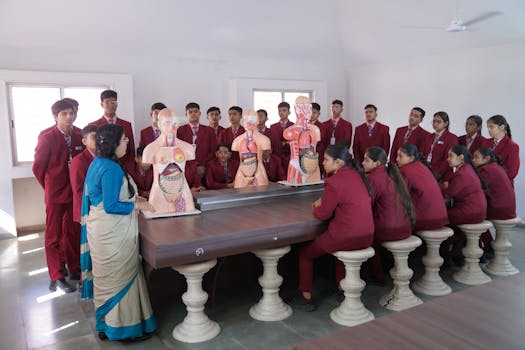
Practical skills refer to abilities that can be applied in real-world situations, including technical skills, problem-solving capabilities, and interpersonal skills. These skills are often developed through hands-on experience, vocational training, and apprenticeships.
Why are practical skills more valuable than academic knowledge?
Practical skills are often more valuable because they directly relate to job performance and adaptability in a changing work environment. Employers increasingly prioritize these skills over academic credentials, recognizing that they lead to better outcomes in the workplace.
How can I develop practical skills?
Practical skills can be developed through vocational training programs, apprenticeships, internships, online courses, and hands-on experiences in various fields. Engaging in community projects or volunteering can also provide valuable opportunities to learn and apply practical skills.
What industries value practical skills?
Many industries value practical skills, including healthcare, construction, technology, and hospitality. In fact, sectors like manufacturing and trades are experiencing significant skill shortages, emphasizing the need for practical training and workforce development.
In conclusion, the era of prioritizing academic knowledge is giving way to a new appreciation for practical skills. As the job market continues to evolve, individuals who invest in developing these skills will find themselves better equipped to thrive in their careers. Embracing a skill-based approach not only benefits individuals but also contributes to a more dynamic and resilient economy.