
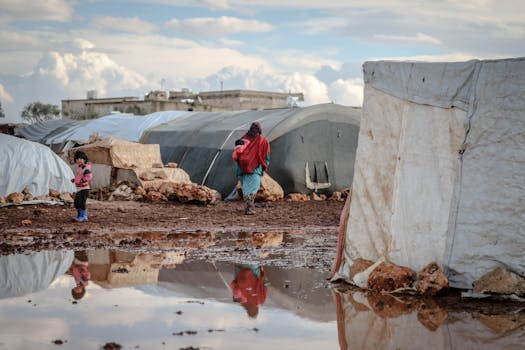
Why Many Families Are Living in Survival Mode
In recent years, a significant number of families across the globe have found themselves in what can only be described as survival mode. This state of existence is characterized by a constant struggle to meet basic needs, including food, shelter, healthcare, and education. Understanding the underlying factors that contribute to this situation can help us develop solutions to alleviate the burdens faced by these families. In South Africa, the challenges are particularly pronounced, exacerbated by economic instability, rising living costs, and social inequalities.
The Economic Landscape
The economic environment plays a crucial role in determining the quality of life for families. In South Africa, a combination of high unemployment rates and inflation has pushed many households into survival mode. According to Statistics South Africa, the unemployment rate stood at around 32.9% in the second quarter of 2023, one of the highest in the world. This statistic reflects the harsh reality for many families who struggle to secure even the most basic of necessities.
- High Unemployment Rates: With millions of South Africans unable to find work, many families rely on single incomes or none at all, forcing them to prioritize survival over aspirational needs.
- Inflation: The Consumer Price Index has been on a steady rise, making essential goods such as food and fuel increasingly expensive. According to the South African Government Statistics, food inflation reached over 10% in recent years, further straining household budgets.
- Cost of Living: Urbanization has led to increased living costs in cities, pushing families to the outskirts where they may not have access to necessary services.
Social Inequality and Its Impact
South Africa is characterized by stark social inequalities that contribute significantly to the plight of families. The legacy of apartheid still casts a long shadow, leaving many communities marginalized and economically disadvantaged. Research from the United Nations highlights that the wealthiest 10% of South Africans control a disproportionate amount of the country’s wealth, leaving the majority struggling to make ends meet.
These inequalities manifest in various forms:
- Educational Disparities: Access to quality education remains a significant barrier for many families. Children from low-income households often attend under-resourced schools, limiting their future job prospects.
- Healthcare Access: Families in survival mode often lack access to adequate healthcare. The World Health Organization has reported that many South Africans do not receive essential health services due to cost and accessibility issues.
The Psychological Toll of Survival Mode
Living in survival mode does not only affect families financially; it also has profound psychological repercussions. The constant stress of worrying about daily needs can lead to mental health issues such as anxiety and depression. According to the Mental Health Association of South Africa, the rates of anxiety and depression have surged in recent years, particularly among those living in poverty.
Families in survival mode often experience:
- Chronic Stress: The pressure to provide for their families can lead to chronic stress, which affects both physical and mental health.
- Family Dynamics: The strain of financial insecurity can lead to conflicts within families, impacting relationships and overall family cohesion.
Community Support and Resilience
Despite the overwhelming challenges, many families exhibit remarkable resilience. Community support systems play a vital role in helping families navigate their struggles. Non-governmental organizations (NGOs) and local initiatives often step in to provide assistance in various forms:
- Food Security Programs: Initiatives such as food banks and soup kitchens offer crucial support, ensuring that families have access to nutritious meals.
- Educational Support: Organizations focused on education provide tutoring and resources to help children succeed academically, thereby breaking the cycle of poverty.
One such example is the NGO Coalition of South Africa, which works tirelessly to provide educational resources and community support to impoverished areas.
Government Interventions and Policy Changes
Addressing the issue of families living in survival mode requires comprehensive government intervention. Policies aimed at reducing unemployment, increasing access to education, and providing basic healthcare are essential. The South African government has implemented various social grants and subsidies to help alleviate poverty, but many argue that these measures are insufficient.
For instance, the South African Government has introduced the Child Support Grant, which assists low-income families, yet there is still much work to be done to ensure that every family has access to the resources they need.
Future Outlook and Solutions
As we look toward the future, it is critical to develop sustainable solutions that can lift families out of survival mode. These solutions should encompass:
- Job Creation: Economic policies focused on job creation, especially in sectors relevant to the local economy, are essential for long-term sustainability.
- Enhanced Education: Improving access to quality education and vocational training can empower individuals to secure better employment opportunities.
- Healthcare Accessibility: Expanding access to affordable healthcare services can mitigate the psychological toll of financial insecurity.
In conclusion, understanding why many families are living in survival mode is crucial for developing effective strategies to support them. Through a combination of community support, government intervention, and enhanced educational opportunities, it is possible to alleviate the burdens faced by these families and help them transition from survival mode to a more stable and prosperous existence.
FAQ
What does it mean to live in survival mode?
Living in survival mode refers to a state where families struggle to meet their basic needs such as food, shelter, and healthcare due to financial constraints.
What are the main causes of families living in survival mode in South Africa?
Main causes include high unemployment rates, rising living costs, social inequality, and limited access to quality education and healthcare.
How can communities help families in survival mode?
Communities can provide support through food security programs, educational resources, and mental health services to help families navigate their challenges.
What role does the government play in alleviating survival mode conditions?
The government can implement policies aimed at job creation, improve access to education and healthcare, and provide financial assistance to low-income families.