
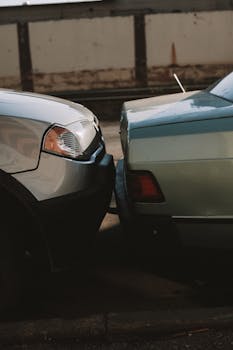
- 1. Immediate Actions to Take After a Car Accident
- 2. Gathering Evidence for Your Insurance Claim
- 3. Notifying Your Insurance Company
- 4. Understanding Your Insurance Policy
- 5. Working with Claims Adjusters
- 6. Dealing with Disputes and Denials
- 7. The Importance of Legal Assistance
- 8. Common FAQs About Car Accident Insurance Claims
What to Do After a Car Accident for Insurance Claims
Experiencing a car accident can be a traumatic and overwhelming event. However, knowing the right steps to take can significantly ease the process of filing an insurance claim. In South Africa, where road safety remains a pressing issue, understanding what to do immediately after a car accident is crucial for ensuring that your rights are protected and your insurance claim is processed smoothly.
Immediate Actions to Take After a Car Accident
After a car accident, your first priority should always be the safety of yourself and others involved. Here’s a detailed guide on the immediate actions you should take:
- Check for Injuries: Assess yourself and others for injuries. If anyone is injured, call for medical assistance immediately by dialing 112 or 10111.
- Move to Safety: If possible, move your vehicle to a safe location to prevent further accidents. Turn on your hazard lights to alert other drivers.
- Call the Police: In South Africa, it is mandatory to report accidents to the police, especially if there are injuries or significant damage. The police will document the incident, which is essential for your insurance claim.
- Document the Scene: Take detailed notes and photographs of the accident scene, including vehicle positions, damages, and any relevant road signs or signals.
- Exchange Information: Collect contact and insurance information from the other driver(s) involved in the accident. This includes names, phone numbers, addresses, license numbers, and vehicle registration details.
Gathering Evidence for Your Insurance Claim
Once you have ensured safety and reported the accident, the next step is to gather as much evidence as possible. This is crucial for a successful insurance claim. Consider the following:
- Witness Statements: If there are any witnesses, ask for their contact details and a brief statement about what they observed. Their accounts can provide additional support for your claim.
- Medical Reports: If you sustained injuries, seek medical attention promptly. Medical reports will be vital in substantiating your claim.
- Police Report: Obtain a copy of the police report, as it includes essential details about the accident that insurers will use to assess liability.
- Repair Estimates: Get estimates for vehicle repairs from reputable mechanics. This documentation will help your insurer understand the extent of damages.
Notifying Your Insurance Company
One of the most important steps in the aftermath of a car accident is to notify your insurance company. Here’s how to do it effectively:
- Contact Your Insurer: Call your insurance company as soon as possible. Most policies require you to notify them within a specific time frame after an accident.
- Provide Accurate Information: When speaking with your insurer, be honest and provide all the relevant details about the accident. This includes the time, location, and circumstances surrounding the incident.
- Keep Records: Document all communications with your insurance company. This includes phone calls, emails, and any correspondence. Keeping a detailed record can help resolve any disputes that arise later.
Understanding Your Insurance Policy
Familiarizing yourself with your insurance policy is crucial in navigating the claims process. Here are some key points to consider:
- Coverage Types: Understand whether you have third-party, comprehensive, or collision coverage, as each type affects how your claim will be handled.
- Excess Payments: Check your policy for details on excess payments, which are the amounts you will be responsible for before your insurer covers the rest.
- Claim Limits: Be aware of the limits on claims for damages, medical expenses, and other related costs.
Working with Claims Adjusters
After you file your claim, your insurer will assign a claims adjuster to assess the situation. Here’s how to work with them effectively:
- Be Cooperative: Provide any additional information or documentation the adjuster requests promptly.
- Be Prepared for an Inspection: The adjuster may want to inspect your vehicle and the accident scene. Ensure you are available and provide access.
- Ask Questions: Don’t hesitate to ask the adjuster questions about the claims process, timelines, and what to expect next.
Dealing with Disputes and Denials
Sometimes, insurance claims can be disputed or denied. If this happens, here’s what you can do:
- Understand the Reason: If your claim is denied, carefully review the insurer’s explanation. Often, claims are denied due to lack of evidence or policy exclusions.
- Provide Additional Evidence: If you believe the denial was unjustified, gather further evidence to support your claim and present it to your insurer.
- Consider Mediation: If disputes arise that cannot be resolved through direct negotiation, consider mediation or consulting with a legal expert in insurance claims.
The Importance of Legal Assistance
In complex cases, especially those involving significant injuries or disputes over fault, seeking legal assistance may be beneficial. An attorney specializing in personal injury and insurance claims can:
- Navigate Legal Complexities: They can help you understand your rights and obligations under South African law.
- Negotiate with Insurers: An experienced attorney can negotiate with insurance companies on your behalf, ensuring that you receive the compensation you deserve.
- Represent You in Court: If necessary, they can represent you in court to fight for your rights.
Common FAQs About Car Accident Insurance Claims
What should I do if the other driver doesn’t have insurance?
If the other driver lacks insurance, you can file a claim under your uninsured motorist coverage if you have it. If not, you may have to pursue the other driver for damages directly.
How long do I have to file a claim?
In South Africa, it’s advisable to notify your insurer within 24 hours of the accident. However, the time frame for filing an official claim may vary depending on your policy, so check your specific terms.
Can I still file a claim if I was partially at fault?
Yes, you can still file a claim if you were partially at fault. South Africa follows the principle of comparative negligence, which means that your compensation may be reduced based on your degree of fault.
What if I didn’t take photos at the scene?
While photos are helpful, they’re not mandatory. You can still file a claim using witness statements, police reports, and other documentation to support your case.
Will my insurance premiums increase after a claim?
It’s possible that your premiums may increase after filing a claim, especially if you were found at fault. However, this varies based on your insurer’s policies.
In conclusion, navigating the aftermath of a car accident can be daunting, but understanding the steps to take can make the process smoother. From gathering evidence to filing your insurance claim, staying organized and informed is key to protecting your rights and ensuring you receive the compensation you deserve.