
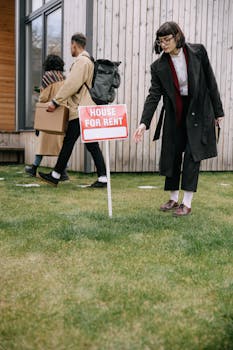
Tenant Rights in South Africa Most Renters Don’t Know
In South Africa, the rental market is a vital sector of the economy, catering to millions of individuals and families. However, many renters remain unaware of their tenant rights, which can lead to exploitation or unfair treatment by landlords. Understanding these rights is crucial for ensuring a healthy landlord-tenant relationship and protecting oneself from illegal eviction, unfair rental agreements, and other common issues. In this blog post, we will explore some of the key tenant rights that renters in South Africa often overlook.
The Basics of Tenant Rights in South Africa
The primary legislation governing tenant rights in South Africa is the Rental Housing Act of 1999. This act aims to promote fair rental practices and protect the rights of tenants. The legislation outlines responsibilities for both landlords and tenants, ensuring that each party adheres to their obligations. Despite this, many tenants are unaware of their specific rights. Here are some fundamental rights every tenant should know:
- Right to a Written Lease Agreement: Tenants have the right to a written lease agreement, which details the terms and conditions of the rental arrangement. This document serves as a legal reference for both parties.
- Right to Safe and Habitable Living Conditions: Landlords are required to provide safe, clean, and habitable living conditions. Tenants can request repairs and maintenance if the property is not up to standard.
- Right to Privacy: Tenants have the right to privacy in their rented space. Landlords must provide reasonable notice before entering the property, typically 24 hours, unless it’s an emergency.
- Right to Fair Treatment: Tenants should not face discrimination based on race, gender, religion, or any other characteristic. The Equality Act protects renters from such unfair treatment.
- Right to Notice Before Eviction: Landlords must follow a legal process for eviction, which includes providing written notice and, in many cases, obtaining a court order.
Understanding Rental Agreements
A rental agreement is the foundation of the landlord-tenant relationship. Many tenants sign agreements without fully understanding the terms, leading to potential issues. Here are some vital components of a rental agreement that tenants should be aware of:
- Duration of the Lease: The rental period can be fixed (e.g., 12 months) or month-to-month. Understanding the lease duration helps tenants know their commitment timeframe.
- Rental Amount and Payment Terms: The rental amount, due date, and acceptable payment methods should be clearly defined. Tenants should also inquire about any potential increases in rent.
- Deposit Requirements: Landlords typically require a security deposit. The Rental Housing Act stipulates that deposits should not exceed one month’s rent and must be returned upon lease termination, minus any deductions for damages.
- Rules and Regulations: Any restrictions regarding pets, guests, or modifications to the property should be outlined in the agreement. Tenants should clarify these rules to avoid conflicts later.
Repairs and Maintenance Responsibilities
Another critical aspect of tenant rights involves the landlord’s responsibility for property maintenance. Tenants should be aware that:
- Landlords are Obligated to Maintain Property: Landlords must ensure that the property is habitable and safe. This includes essential services such as water, electricity, and proper sanitation.
- Tenants Must Report Issues: Tenants should promptly report any maintenance issues to the landlord. Failure to do so could lead to greater problems and potential liabilities.
- Right to Withhold Rent: In cases where the landlord fails to address significant maintenance issues, tenants may have the right to withhold rent, but this should be approached cautiously and ideally with legal guidance.
Dealing with Disputes
Disputes between landlords and tenants are common. Understanding how to navigate these disputes is essential for protecting one’s rights:
- Dispute Resolution Mechanisms: The Rental Housing Tribunal offers a platform for tenants and landlords to resolve disputes fairly and efficiently. Tenants can lodge complaints regarding illegal evictions, non-payment of deposits, and other issues.
- Documentation is Key: Keeping records of all communications with the landlord, including emails and messages, can be invaluable in dispute resolution.
- Legal Recourse: If disputes cannot be resolved through mediation, tenants may seek legal advice or take the landlord to court. Organizations like The Law Society of South Africa can provide guidance on finding legal representation.
Protection Against Unlawful Eviction
Unlawful eviction is a significant concern for many tenants in South Africa. Tenants should know their rights regarding eviction:
- Legal Eviction Process: Landlords must follow a legal process to evict a tenant, which includes giving proper notice and obtaining a court order. Eviction without following this process is illegal.
- Emergency Situations: In cases of emergency (such as a threat to life), landlords may enter the property without notice. However, this should not be abused.
- Right to Contest Eviction: Tenants have the right to contest any eviction notices received. Seeking legal advice in these situations is advisable.
Understanding Rent Increases
Rent increases can be a contentious issue for tenants. It’s crucial to understand the legalities surrounding this:
- Notice Period for Rent Increases: Landlords must provide written notice before increasing rent, typically 30 days, but this can vary depending on the lease agreement.
- Limitations on Increases: While landlords can increase rent, they cannot impose unreasonable hikes. It’s advisable for tenants to check local rental market rates to ensure their increase is fair.
Conclusion
Awareness of tenant rights in South Africa is essential for protecting oneself from unfair treatment and ensuring a smooth rental experience. By understanding the basics of rental agreements, maintenance responsibilities, and the legal eviction process, tenants can empower themselves and assert their rights. For additional guidance, tenants can refer to resources provided by the Government of South Africa or consult legal professionals for assistance.
Frequently Asked Questions (FAQ)
- What should I do if my landlord refuses to make necessary repairs? It is your right to report the issue to the Rental Housing Tribunal if the landlord does not respond to repair requests.
- Can I break my lease early? Breaking a lease can have legal implications. Check your lease agreement for terms regarding early termination and consult a legal expert if necessary.
- What can I do if I am facing eviction? If you receive an eviction notice, you have the right to contest it. Seek legal advice and gather all relevant documentation.
- Are there any protections against rent increases? Yes, landlords must provide notice before increasing rent, and the increase must be reasonable. Research local rates to ensure compliance.
Understanding your rights as a tenant can significantly improve your rental experience. Stay informed and advocate for yourself!