
- 1. Understanding Inflation and Its Impact
- 2. 1. Budgeting Effectively
- 3. 2. Cut Down on Unnecessary Expenses
- 4. 3. Embrace Smart Shopping Habits
- 5. 4. Reevaluate Your Utilities and Insurance
- 6. 5. Explore Alternative Transportation Options
- 7. 6. Invest in Your Skills
- 8. 7. Build an Emergency Fund
- 9. 8. Utilize Community Resources
- 10. 9. Stay Informed about Economic Trends
- 11. Frequently Asked Questions
Smart Ways to Save Money in South Africa During Inflation
As inflation continues to affect economies worldwide, South Africa is no exception. With rising prices for essential goods and services, many South Africans are feeling the pinch. However, there are smart ways to save money in South Africa during inflation that can help you stretch your budget further. This guide aims to provide practical tips and strategies that can be implemented today.
Understanding Inflation and Its Impact
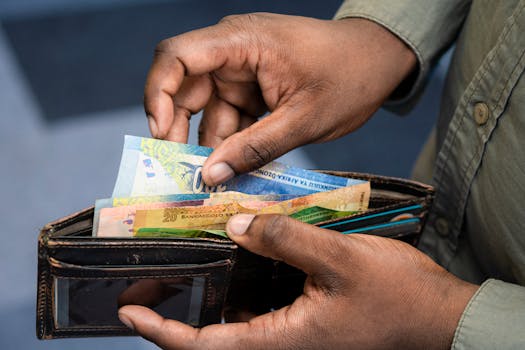
Inflation is defined as the rate at which the general level of prices for goods and services rises, eroding purchasing power. In South Africa, inflation has been driven by various factors, including supply chain disruptions, fluctuating fuel prices, and economic instability. According to the Statistics South Africa, the inflation rate has seen significant peaks, impacting household budgets across the nation.
1. Budgeting Effectively
One of the first steps to managing your finances during inflation is to create a detailed budget. A well-structured budget allows you to track your spending and identify areas where you can cut back. Here are some effective budgeting tips:
- Track Your Expenses: Use apps or spreadsheets to monitor your monthly spending.
- Prioritize Needs Over Wants: Focus on essential expenses like food, housing, and utilities before spending on non-essentials.
- Set Savings Goals: Allocate a portion of your income to savings each month, even if it’s a small amount.
2. Cut Down on Unnecessary Expenses
Identifying and eliminating unnecessary expenses can significantly improve your financial situation. Here are some areas where you can cut back:
- Dining Out: Reducing the frequency of dining out can save you a significant amount. Consider cooking at home more often.
- Subscriptions: Review your monthly subscriptions (streaming services, magazines, etc.) and cancel those you don’t use frequently.
- Impulse Purchases: Avoid making impulse buys by implementing a waiting period before purchasing non-essential items.
3. Embrace Smart Shopping Habits
Shopping smartly is crucial during times of inflation. Here are some effective strategies:
- Buy in Bulk: Purchasing non-perishable items in bulk can save you money in the long run. Stores like Pick n Pay and Shoprite often offer bulk discounts.
- Compare Prices: Use price comparison websites and apps to find the best deals on groceries and household items.
- Look for Discounts: Always look for coupons, discount codes, or loyalty programs that can provide additional savings.
4. Reevaluate Your Utilities and Insurance
Utilities and insurance can take up a large portion of your monthly budget. Here are some tips to save on these expenses:
- Shop Around for Insurance: Compare different insurance providers to ensure you are getting the best rate. Websites like HelloPeter can provide insights into reputable providers.
- Reduce Energy Consumption: Simple changes like switching to energy-efficient appliances and turning off lights when not in use can lower your electricity bill.
- Negotiate with Providers: Don’t hesitate to negotiate or ask for discounts from your utility providers.
5. Explore Alternative Transportation Options
Transportation costs can add up quickly, especially with rising fuel prices. Consider these alternatives:
- Public Transport: Using public transport can be a cost-effective way to navigate urban areas. Cities like Cape Town and Johannesburg have reliable bus and train services.
- Carpooling: Sharing rides with friends or colleagues can significantly reduce fuel costs.
- Biking or Walking: For short distances, consider biking or walking instead of driving.
6. Invest in Your Skills
Investing in education and skills can lead to better job opportunities and potential salary increases. Consider the following:
- Online Courses: Platforms like Coursera and Udemy offer affordable courses that can enhance your skills.
- Networking: Attend local workshops and events to meet professionals in your field, which can lead to new opportunities.
7. Build an Emergency Fund
Having an emergency fund is crucial, especially during uncertain economic times. Aim to save at least three to six months’ worth of living expenses. Here’s how to start:
- Set Small Goals: Start with a manageable goal, such as saving R500 a month.
- Automate Your Savings: Set up automatic transfers to your savings account after each paycheck.
8. Utilize Community Resources
Many communities offer resources that can help during tough financial times. Take advantage of local programs:
- Food Banks: Organizations like FoodBank South Africa provide assistance to those in need.
- Financial Literacy Workshops: Look for free workshops that teach budgeting and financial management skills.
9. Stay Informed about Economic Trends
Understanding economic trends can help you make better financial decisions. Stay informed by following reputable news sources and financial blogs. Websites like BusinessLive and News24 offer insights into the South African economy.
Frequently Asked Questions
What is inflation and how does it impact my finances?
Inflation refers to the increase in prices of goods and services over time, reducing your purchasing power. It affects your daily expenses, making it more challenging to manage your budget.
How can I cut back on grocery expenses?
Consider buying in bulk, using coupons, meal planning, and taking advantage of sales to reduce your grocery costs.
Are there any government resources available to help during inflation?
Yes, the South African government and various NGOs offer programs that provide food, financial assistance, and educational resources to help families cope with inflation.
By implementing these smart ways to save money in South Africa during inflation, you can navigate tough economic times more effectively. Remember, every small effort counts towards building a more secure financial future.