
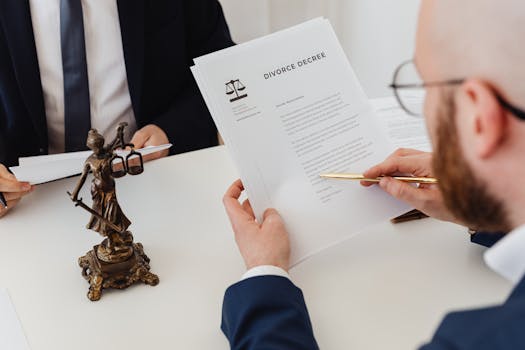
Legal Consequences of Signing Documents Without Reading
In our fast-paced world, it’s common for individuals to sign documents without thoroughly reading them. Whether it’s a rental agreement, a loan contract, or an employment form, the act of affixing your signature can have significant legal ramifications. Understanding the legal consequences of signing documents without reading can save you from potential disputes and financial losses.
Understanding the Importance of Due Diligence
Every document you sign is essentially a legally binding agreement. When you sign a document, you are indicating your consent to the terms outlined within it, regardless of whether you have actually read or understood those terms. This highlights the importance of due diligence. Taking the time to read and comprehend a document before signing can prevent unintentional agreements to unfavorable conditions.
Legal Principles at Play
Several legal principles govern the act of signing documents. These principles include:
- Contractual Obligations: By signing a document, you are entering into a contract. Contracts are enforceable by law, and failure to adhere to the terms can result in legal action.
- Informed Consent: Legal agreements often require informed consent. If you sign a document without understanding its content, you may be deemed to have consented without being adequately informed.
- Negligence: In some cases, signing without reading can be seen as negligent behavior, particularly in business transactions.
Real-World Examples of Consequences
To illustrate the serious implications of signing without reading, consider the following examples:
Case Study: The Tenant’s Dilemma
A tenant signs a lease agreement for an apartment without reading the fine print. Unbeknownst to them, the lease includes a clause that permits the landlord to enter the property with little notice. When the landlord exercises this right, the tenant feels violated and attempts to contest the lease. However, because they signed the agreement, they are generally bound by its terms. Such scenarios highlight the vital importance of understanding lease agreements fully.
Business Contracts Gone Wrong
A small business owner signs a contract with a supplier without reviewing the details. Later, they discover that the contract includes a clause mandating a minimum order quantity at a high price. This oversight results in significant financial strain on the business. Had the owner taken the time to read the document, they could have negotiated better terms or sought alternatives.
Potential Legal Repercussions
When individuals sign documents without reading, they expose themselves to various legal repercussions, including:
- Enforcement of Unfavorable Terms: Courts generally uphold the terms of signed contracts, even if one party claims ignorance of the details.
- Loss of Rights: Signing may waive certain rights, such as the right to sue for damages in the event of a breach.
- Financial Liabilities: Agreements often include financial obligations; failure to comply can result in lawsuits and financial penalties.
- Reputational Damage: In business, signing unfavorable contracts can harm your reputation, affecting future partnerships and contracts.
Exceptions and Defenses
While the general rule is that parties are bound by the contracts they sign, there are exceptions. Certain defenses can be raised in case of disputes:
- Misrepresentation: If a party was misled about the nature of the document, they might have grounds to contest it.
- Duress: If a signature was obtained under pressure or threats, the contract may not be enforceable.
- Unconscionability: Contracts that are excessively unfair to one party may be deemed unconscionable and unenforceable.
Best Practices Before Signing
To mitigate the risks associated with signing documents without reading, consider the following best practices:
- Read Thoroughly: Always take the time to read every document in its entirety before signing.
- Ask Questions: If you don’t understand something, don’t hesitate to ask for clarification or further explanation.
- Consult Professionals: For complex documents, particularly legal or financial agreements, consider consulting with a lawyer or financial advisor.
- Take Your Time: Don’t rush into signing. If you feel pressured, it’s better to take a step back and review the document carefully.
Legal Protections and Resources
In South Africa, consumers have certain protections under the Consumer Protection Act (CPA). This act provides guidelines for fair trading and requires clear communication of terms. For more information about consumer rights, you can visit the South African government’s CPA page.
Additionally, organizations such as Legal Aid South Africa offer resources and support for individuals seeking legal advice.
Conclusion
In summary, the legal consequences of signing documents without reading can be severe and far-reaching. From contractual obligations to potential financial liabilities, the implications can affect your personal and professional life. By adopting best practices and being diligent about reading documents, individuals can better protect themselves and avoid potentially harmful agreements.
FAQ
- Can I void a contract if I didn’t read it before signing?
Generally, contracts are enforceable as signed, but you may have grounds for voiding it in cases of misrepresentation or duress. - What should I do if I realize I signed something I didn’t understand?
Consult a legal professional immediately to explore your options and potential defenses. - Are there any exceptions to being bound by a signed contract?
Yes, misrepresentation, duress, and unconscionability can serve as defenses against enforcement. - How can I ensure I fully understand a document before signing?
Take your time to read it, ask questions, and consider seeking legal advice if necessary.
Remember, a signature is not just a mark; it’s a commitment. Protect yourself by being informed and vigilant.