
- 1. The Reality of Township Life
- 2. Innovation Born from Necessity
- 3. Building a Supportive Community
- 4. Education as a Tool for Resourcefulness
- 5. Resourcefulness in Daily Life
- 6. Art and Expression as a Form of Resourcefulness
- 7. The Role of Technology in Fostering Resourcefulness
- 8. Challenges That Encourage Resourcefulness
- 9. Government and NGO Support for Resourceful Initiatives
- 10. Conclusion: Celebrating Resourcefulness
- 11. FAQs
How Township Life Encourages Resourcefulness Over Comfort
In South Africa, townships are often viewed through a lens of hardship and struggle; however, they are also vibrant communities that foster an incredible sense of resourcefulness. This blog post explores how life in these areas promotes creativity, innovation, and community resilience, often in stark contrast to the comfort found in more affluent neighborhoods.
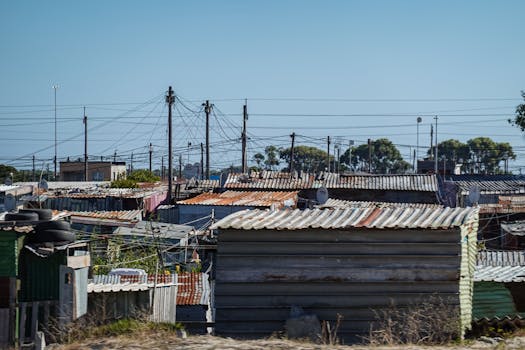
The Reality of Township Life
Townships emerged during the apartheid era as designated areas for non-white South Africans. Today, they remain densely populated, often lacking basic services, infrastructure, and economic opportunities. According to the South African Government, over 13 million people live in these areas, facing numerous challenges. Yet, amid these challenges lies a unique culture of survival that has given birth to remarkable resourcefulness.
Innovation Born from Necessity
In a township, where access to resources is limited, residents often turn to innovative solutions to meet their needs. This culture of improvisation is evident in various aspects of daily life:
- Entrepreneurship: Many individuals start small businesses out of necessity. From food stalls to hair salons, these ventures often operate with minimal capital, relying on creativity and local knowledge to thrive. For example, Entrepreneur Magazine highlights stories of township entrepreneurs who have turned small-scale operations into successful enterprises.
- Waste Management: Limited municipal services mean that township residents often manage waste themselves. Creative reuse of materials has led to the production of furniture, toys, and home decor items from discarded goods. This not only addresses environmental concerns but also promotes a culture of recycling.
- Community Initiatives: Local organizations often arise to fill gaps in social services. Initiatives such as community gardens or skills training centers empower residents to improve their circumstances through collective action.
Building a Supportive Community
In the absence of robust infrastructure, township life fosters a strong sense of community. Neighbors often rely on each other for support, leading to a network of shared resources and mutual assistance. This communal approach encourages:
- Social Cohesion: Residents come together to celebrate cultural events, create support networks, and share resources. These gatherings can be a source of emotional strength and practical assistance.
- Skill Sharing: Many community members are skilled in various trades, from carpentry to sewing. Sharing these skills can enhance the overall capabilities of the community, allowing individuals to learn from one another.
The World Bank notes that these social networks are essential for maintaining resilience in the face of adversity. The resourcefulness developed in township life is often a response to the need for cooperation and collaboration.
Education as a Tool for Resourcefulness
While educational opportunities in townships may be limited, residents often find ways to educate themselves and their children. This commitment to learning plays a vital role in fostering resourcefulness. Here are some examples:
- After-School Programs: Many NGOs offer tutoring and mentorship programs to help children from townships excel academically. These initiatives help bridge the educational gap and equip young people with the skills they need to succeed.
- Community Libraries: Local libraries often serve as hubs for literacy and learning. They provide access to information and resources that would otherwise be unattainable. The South African Literacy Association promotes reading and education in under-resourced communities.
Resourcefulness in Daily Life
Township residents often develop unique strategies to tackle everyday challenges. These strategies highlight the resourcefulness inherent in their lifestyles:
- Cooking on a Budget: Many families prepare meals using locally sourced ingredients, often growing vegetables in small home gardens or community plots. This not only provides food security but also promotes healthy eating.
- Transportation Solutions: With limited public transport, residents often use creative solutions for mobility, such as shared taxis or bicycle taxis. These affordable options facilitate access to jobs and services.
Art and Expression as a Form of Resourcefulness
Art is another area where township life shines. Local artists use their talents to express their experiences, often turning to available materials to create powerful pieces that resonate with broader societal issues. This cultural expression not only brings communities together but also serves as a form of social commentary.
For instance, street art in townships often tells stories of struggle, resilience, and hope. The work of artists like Faith47 and Ramonh Malope has gained international recognition, showcasing the potent narrative of township life through visual storytelling.
The Role of Technology in Fostering Resourcefulness
In recent years, technology has played an increasingly significant role in enhancing the resourcefulness of township residents. With the rise of mobile technology, access to information and services has expanded dramatically. Examples include:
- Mobile Banking: Many township residents rely on mobile banking to manage their finances, allowing them to save time and money. Services like Standard Bank’s mobile banking have made financial services more accessible.
- Online Learning: With the proliferation of affordable smartphones, many individuals use online platforms to access educational resources, enhancing their skills and knowledge from home.
Challenges That Encourage Resourcefulness
While the challenges of township life are significant, they serve as a catalyst for resourcefulness. Residents are often faced with issues such as unemployment, inadequate housing, and limited access to healthcare. These obstacles force individuals to think outside the box and find creative solutions.
For instance, many families have learned to manage their finances meticulously to make ends meet, leading to creative budgeting strategies that can serve as a model for others. Additionally, the necessity to navigate bureaucratic challenges fosters skills in negotiation and advocacy.
Government and NGO Support for Resourceful Initiatives
While individual and community resourcefulness is key, support from government and non-governmental organizations (NGOs) is essential for sustainable development. Programs aimed at empowering township residents often focus on:
- Microfinance: Initiatives that provide small loans to entrepreneurs can significantly impact their ability to start or grow businesses.
- Training and Development: Workshops and seminars that focus on skills development in areas such as business management or digital literacy can equip residents with the tools they need for success.
Organizations like the Southern African NGO Network are vital in facilitating these programs, ensuring that the spirit of resourcefulness can flourish in township communities.
Conclusion: Celebrating Resourcefulness
Township life in South Africa exemplifies the power of resourcefulness over comfort. Residents have developed innovative solutions to navigate their daily challenges, fostering a sense of community and resilience. By celebrating this spirit of creativity and collaboration, we can gain valuable insights into overcoming adversity and building a more equitable society.
FAQs
Q: What is the main source of income for people living in townships?
A: Many residents engage in small-scale entrepreneurship, such as food stalls or informal trade, while some work in nearby urban areas.
Q: How do community initiatives support township residents?
A: Community initiatives provide resources, skills training, and support networks that empower residents to improve their living conditions and create economic opportunities.
Q: What role does education play in promoting resourcefulness?
A: Education, through community programs and local libraries, enhances skills and knowledge, enabling residents to adapt and thrive despite limited resources.
Q: How can outsiders support township communities effectively?
A: Supporting local businesses, volunteering with NGOs, and promoting awareness of township issues are effective ways to contribute positively.