
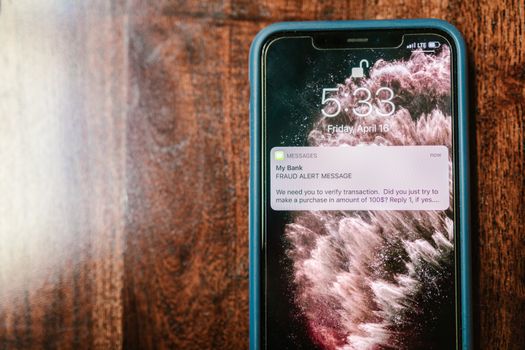
How to Protect Yourself From SIM Swap Financial Fraud
In an increasingly digital world, where financial transactions are often conducted online, SIM swap financial fraud has emerged as a significant threat. This type of fraud can lead to devastating financial losses and is often difficult to detect until it’s too late. In this blog post, we will explore what SIM swapping is, how it works, and, most importantly, how you can protect yourself from becoming a victim.
Understanding SIM Swap Fraud
SIM swap fraud occurs when a fraudster tricks a mobile carrier into transferring your phone number to a SIM card that they control. Once they have access to your phone number, they can intercept calls and text messages, including those containing two-factor authentication (2FA) codes, allowing them to access your bank accounts, social media profiles, and other sensitive information.
According to the Federal Trade Commission (FTC), in 2020 alone, there were thousands of reported incidents of SIM swapping that led to significant financial losses for victims. A report by FBI Cyber Division indicates that SIM swap fraud is often carried out by organized crime syndicates, making it a growing concern for consumers and law enforcement alike.
How SIM Swap Fraud Works
The process of executing a SIM swap involves several steps:
- Gathering personal information: Fraudsters typically start by gathering personal information about their target. This may include details such as your full name, address, date of birth, and even your Social Security number.
- Contacting the mobile carrier: Once they have enough information, the fraudster contacts your mobile carrier, posing as you. They may claim that they have lost their phone or that their SIM card is malfunctioning, requesting a replacement SIM card with your phone number.
- Activating the new SIM: If the mobile carrier is convinced by the fraudster’s story, they will activate the new SIM card, effectively cutting off your access to your phone number.
- Accessing accounts: With your phone number now in their possession, the fraudster can reset passwords for various accounts that rely on SMS-based verification, allowing them to access your emails, banking applications, and social media accounts.
The Real Cost of SIM Swap Fraud
The financial implications of SIM swap fraud can be staggering. Victims have reported losses ranging from hundreds to thousands of dollars. A victim’s story on BBC News details how a young man lost over $15,000 due to a SIM swap attack that compromised his cryptocurrency exchange account.
Moreover, the psychological impact of being a victim can be just as damaging. Many individuals experience feelings of vulnerability, anxiety, and distrust towards financial institutions and technology after such an incident.
Protecting Yourself From SIM Swap Fraud
While no method is foolproof, there are several steps you can take to minimize the risk of falling victim to SIM swap financial fraud:
1. Strengthen Your Mobile Account Security
One of the first lines of defense is to enhance the security of your mobile account. Here’s how:
- Set up a PIN or password: Most mobile carriers allow you to set a PIN or password on your account. Make sure to choose a unique and strong password that is not easily guessed.
- Enable two-factor authentication: If your carrier offers an additional layer of security through two-factor authentication, enable it. This often involves receiving a code via a secondary method, such as an authentication app.
2. Monitor Your Accounts Regularly
Regularly checking your bank and credit accounts can help you spot unauthorized transactions early. Here are some tips:
- Review bank statements: Check your bank and credit card statements frequently for any unfamiliar transactions.
- Set up alerts: Use your bank’s alert system to notify you of any unusual activities or transactions that occur.
3. Be Wary of Phishing Attempts
Fraudsters often use phishing techniques to gather personal information. Protect yourself by:
- Verifying sources: Always verify the source of any call or email requesting personal information. Legitimate organizations will not ask for sensitive information in this manner.
- Avoiding public Wi-Fi: Avoid accessing sensitive accounts over public Wi-Fi, as these networks can be insecure.
4. Limit Sharing Personal Information
The less information you share online, the harder it is for fraudsters to impersonate you. Consider the following:
- Adjust social media privacy settings: Limit who can see your personal information on social media platforms. Avoid sharing details like your phone number, address, and birth date.
- Be cautious with online quizzes: Many online quizzes ask for personal information that could be used for identity theft.
5. Report Suspicious Activity Immediately
If you suspect that your number has been compromised, act quickly:
- Contact your mobile carrier: Report any suspicious activity to your carrier right away. They may be able to prevent a SIM swap from occurring.
- Notify your banks: Inform your banks and financial institutions about potential fraud so they can monitor your accounts for unauthorized access.
Informed Decisions: Staying Ahead of Fraud
Staying informed about the latest fraud tactics can significantly reduce your risk. Follow credible sources, such as the FTC and your local law enforcement agencies, for updates on scams and protective measures. Additionally, consider enrolling in identity theft protection services that provide monitoring and alerts for suspicious activity.
Frequently Asked Questions
What should I do if I suspect I’m a victim of SIM swap fraud?
If you suspect that you’ve fallen victim to SIM swap financial fraud, immediately contact your mobile carrier to secure your account. Also, reach out to your banks and other financial institutions to report the issue and monitor your accounts for unauthorized transactions.
Can I prevent SIM swap fraud entirely?
While you can’t completely eliminate the risk of SIM swap fraud, you can significantly reduce your chances by implementing strong security measures like setting up a PIN, enabling two-factor authentication, and being cautious about sharing personal information.
What are some signs that I may have been targeted for SIM swapping?
Common signs include sudden loss of phone service, receiving notifications about changes to your accounts that you did not initiate, or finding unfamiliar charges on your bank statements.
By taking proactive steps, remaining vigilant, and staying informed, you can protect yourself from the rising threat of SIM swap financial fraud. Don’t let yourself be an easy target; act now to secure your financial future.