
- 1. Understanding the Risks of Moving Valuable Items
- 2. Creating a Comprehensive Inventory
- 3. Choosing the Right Packing Materials
- 4. Special Considerations for Fragile Items
- 5. Utilizing Professional Movers
- 6. Insuring Your Valuable Items
- 7. Preparing for the Move Day
- 8. Handling Valuable Items Upon Arrival
- 9. Common Mistakes to Avoid When Moving Valuable Items
- 10. Frequently Asked Questions
How to Protect Valuable Items When Moving House
Moving house can be an exciting yet daunting experience, especially when it comes to ensuring that your valuable items are protected during the transition. Whether it’s heirlooms, electronics, or fine art, safeguarding these possessions is crucial. In this guide, we will explore effective strategies to protect your valuables while moving, ensuring they arrive at your new home safe and sound.
Understanding the Risks of Moving Valuable Items
When it comes to moving, the risk of damage or loss increases significantly. According to the Consumer.gov, around 25% of people experience damage during their move. This statistic highlights the importance of taking precautions, especially for items of high value. Theft, mishandling, and environmental factors such as moisture and temperature changes can all pose threats to your belongings.
Creating a Comprehensive Inventory
Before you start packing, it’s vital to create a comprehensive inventory of your valuable items. This inventory will not only help you keep track of your items but also serve as a reference in case of loss or damage. Here are some steps to consider:
- List all valuable items: Include electronics, jewelry, art, antiques, and important documents.
- Document the condition: Take photos and write detailed descriptions of each item.
- Assign value: Determine the monetary value of each item for insurance purposes.
By taking these steps, you can ensure that every valuable item is accounted for during your move.
Choosing the Right Packing Materials
The right packing materials can make a significant difference in protecting your valuables. Here’s what you’ll need:
- Sturdy boxes: Use high-quality, durable boxes that can withstand the weight of your items.
- Bubble wrap and foam: These materials provide cushioning to prevent damage during transport.
- Packing paper: Use unprinted packing paper to wrap fragile items securely.
- Tape: Invest in strong packing tape to seal boxes properly.
Make sure to avoid using newspaper as it can leave ink stains on your items. Instead, opt for materials specifically designed for packing.
Special Considerations for Fragile Items
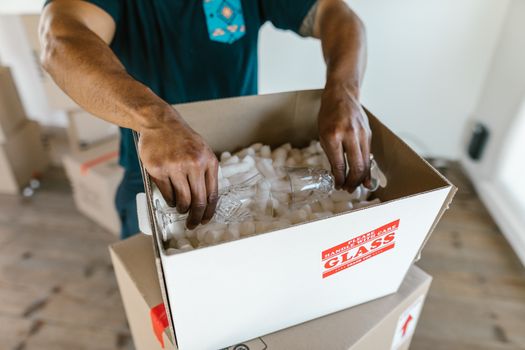
When it comes to protecting fragile items, extra care is essential. Here are some tips to ensure these items are well-protected:
- Wrap items individually: Each fragile item should be wrapped separately in bubble wrap or packing paper.
- Use dividers: For glassware or ceramics, use cardboard dividers to keep items from knocking against each other.
- Label boxes clearly: Mark boxes containing fragile items with “FRAGILE” to ensure careful handling.
For example, when moving fine china, wrap each piece in multiple layers of bubble wrap and place them in a box lined with packing paper. This method reduces the chances of breakage significantly.
Utilizing Professional Movers
If your budget allows, consider hiring professional movers, especially for high-value items. Professional moving companies are trained to handle fragile and valuable possessions. According to the American Moving and Storage Association, reputable movers are insured and can provide additional protection for your items during transit.
When selecting a moving company, ensure that they have a good track record and positive reviews. Ask about their experience with moving valuable items and any insurance options they may offer.
Insuring Your Valuable Items
Insurance is a critical aspect of protecting your valuables during a move. Here are a few options to consider:
- Homeowner’s insurance: Check if your current homeowner’s insurance covers items while in transit. Many policies offer limited coverage.
- Moving company insurance: Most professional movers provide basic coverage, but you may want to purchase additional insurance for high-value items.
- Specialty insurance: For particularly valuable items such as collectibles or fine art, consider purchasing specialty insurance that provides coverage tailored to those items.
Always read the terms and conditions of any insurance policy to understand what is covered and what is not.
Preparing for the Move Day
The day of the move is when the most damage can occur, so preparation is key. Here are some tips to ensure a smooth moving day:
- Keep valuables with you: For items of significant value, consider transporting them yourself in your personal vehicle.
- Supervise the loading process: If you have hired movers, be present to oversee the loading of your valuable items.
- Double-check inventory: Before the moving truck leaves, conduct a final check to ensure all valuable items are loaded.
By taking these precautions, you can minimize the risk of damage or loss during the moving process.
Handling Valuable Items Upon Arrival
Once you arrive at your new home, the careful handling of your valuable items continues. Here are some steps to follow:
- Inspect items immediately: As soon as you arrive, check your valuable items against your inventory to ensure everything is accounted for.
- Unpack with care: Take your time unpacking valuable items, using the same care as when you packed them.
- Store items properly: For items that aren’t displayed immediately, store them in a safe, climate-controlled environment.
Following these steps will help you ensure that your valuable items remain in excellent condition after the move.
Common Mistakes to Avoid When Moving Valuable Items
While preparing for a move, it’s easy to make mistakes. Here are some common pitfalls to avoid:
- Not packing in advance: Procrastination can lead to rushed packing, increasing the chance of damage.
- Ignoring weight limits: Overpacking boxes can lead to breakage and injuries. Always adhere to weight limits.
- Neglecting to communicate: If you’re using movers, clearly communicate which items are especially valuable or fragile.
By being aware of these mistakes, you can take proactive steps to avoid them and ensure the safety of your items.
Frequently Asked Questions
What should I do if my valuable items are damaged during the move?
If your valuable items are damaged, contact your insurance provider immediately to file a claim. Document the damage with photos and provide any necessary information from your inventory.
Is it worth hiring a professional moving company for valuable items?
Yes, professional movers are trained to handle valuable items safely and can provide additional insurance options for peace of mind.
How can I ensure my valuable items are safe while in transit?
Use high-quality packing materials, create a clear inventory, and consider transporting the most valuable items yourself.
Should I insure all of my valuable items during the move?
It’s advisable to insure high-value items, especially those that are irreplaceable or have significant monetary value, to protect against loss or damage.
By following the steps outlined in this guide, you can effectively protect your valuable items when moving house, ensuring that your transition is as stress-free as possible.