
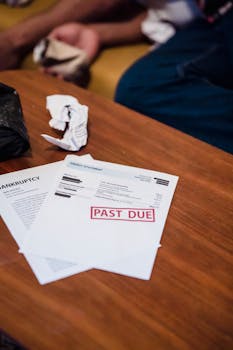
- 1. Understanding Debt Repayment in South Africa
- 2. Recognizing Your Rights as a Borrower
- 3. Debt Review: A Lifeline for Over-Indebted Consumers
- 4. Temporary Payment Arrangements with Creditors
- 5. Using the Government’s COVID-19 Debt Relief Measures
- 6. Understanding the Role of Credit Bureaus
- 7. Consider Legal Advice and Financial Counselling
- 8. Real-World Examples of Debt Management in South Africa
- 9. Proactive Steps to Take Before an Emergency Occurs
- 10. Frequently Asked Questions
How South Africans Can Legally Pause Debt Repayments in Emergencies
In today’s unpredictable economic climate, emergencies can strike anyone, leaving many South Africans grappling with financial pressures. Whether it’s a medical emergency, job loss, or unexpected expenses, the burden of debt can be overwhelming. Fortunately, there are legal avenues available for individuals to pause debt repayments during such challenging times. This blog post will explore various strategies and options available to South Africans facing financial difficulties.
Understanding Debt Repayment in South Africa
Debt repayment in South Africa involves various forms of borrowing, including personal loans, credit cards, and mortgages. The National Credit Act (NCA) of 2005 governs the credit industry, aiming to protect consumers from reckless lending and over-indebtedness. Under this act, consumers have certain rights and options available to them in times of financial distress.
Recognizing Your Rights as a Borrower
As a borrower in South Africa, it’s crucial to understand your rights. The NCA stipulates that consumers have the right to:
- Receive clear information about their credit agreements.
- Request a debt review if over-indebted.
- Negotiate with creditors for more manageable repayment terms.
Being aware of these rights can empower you to take the necessary steps to manage your debt effectively during emergencies.
Debt Review: A Lifeline for Over-Indebted Consumers
One of the most significant legal options available to South Africans is entering a debt review. This process is designed for individuals who find themselves unable to meet their debt obligations. Upon entering debt review, a qualified debt counselor assesses your financial situation, negotiates with creditors, and restructures your debt repayments to make them more manageable.
To enter debt review, follow these steps:
- Contact a registered debt counselor. You can find a list of accredited counselors on the National Credit Regulator’s website.
- Provide the necessary financial information, including income, expenses, and outstanding debts.
- The counselor will assess your situation and propose a revised repayment plan to your creditors.
Debt review can provide immediate relief, halting legal actions from creditors and giving you time to regain financial stability. However, it’s essential to understand that while under debt review, you cannot take on new credit, and your name will be listed on the National Credit Register.
Temporary Payment Arrangements with Creditors
If you are facing a temporary financial setback, you might consider negotiating directly with your creditors. Many lenders are willing to work with borrowers who proactively communicate their situation. Here are some strategies to consider:
- Request a payment holiday: Some creditors may allow you to pause payments for a specific period during financial emergencies.
- Negotiate reduced payments: Propose a temporary reduction in your monthly payments until your situation improves.
- Extend the loan term: Extending the term of your loan can reduce monthly payments, making them more manageable.
When approaching creditors, be honest about your financial situation and provide any relevant documentation. The more transparent you are, the more likely they will be to accommodate your request.
Using the Government’s COVID-19 Debt Relief Measures
In response to the COVID-19 pandemic, the South African government introduced various measures to assist individuals facing financial difficulties. The South African Government launched the COVID-19 Debt Relief Fund, which offered support to small businesses but also provided guidelines for individuals in debt. Although these measures were temporary, they illustrated the government’s commitment to assisting citizens during emergencies.
While specific pandemic-related relief programs may no longer be available, the principles behind these initiatives can inform current practices and negotiations with creditors. It is crucial to stay informed about any new government initiatives aimed at supporting consumers during financial crises.
Understanding the Role of Credit Bureaus
Credit bureaus play a significant role in how debt is managed in South Africa. Your credit report contains your credit history and repayment behavior, influencing your ability to obtain credit in the future. When you enter debt review or negotiate new repayment terms, your credit report will reflect these changes.
It’s essential to monitor your credit report regularly. You are entitled to one free credit report per year from each of the major credit bureaus: Experian, TransUnion, and Equifax. This can help you understand your credit standing and take proactive steps to improve it.
Consider Legal Advice and Financial Counselling
In complex financial situations, seeking legal advice from a professional can be invaluable. Attorneys specializing in debt management can provide guidance on your rights and options. Additionally, financial counseling services are available to help you develop a sustainable financial plan.
Resources such as the Financial Sector Conduct Authority (FSCA) offer tools and guidance for financial literacy, which can empower you to make informed decisions regarding your debt.
Real-World Examples of Debt Management in South Africa
Many South Africans have successfully navigated financial emergencies through the legal options available to them. For example, during the economic downturn caused by the COVID-19 pandemic, numerous individuals reported that entering debt review helped them restructure their finances and avoid bankruptcy. This proactive approach not only provided immediate relief but also set them on a path to long-term financial recovery.
Another example includes a small business owner who faced temporary closure during lockdown. By negotiating a payment holiday with their bank, they were able to preserve cash flow and keep their business afloat until they could reopen. This negotiation preserved their credit rating and relationship with the bank, proving that open communication can yield positive outcomes.
Proactive Steps to Take Before an Emergency Occurs
While emergencies are often unexpected, taking proactive steps can help mitigate their impact on your financial situation. Consider these strategies:
- Build an emergency fund: Aim to save at least three to six months’ worth of living expenses to cover unforeseen costs.
- Review your budget regularly: Keep track of your income and expenses to identify potential areas for improvement.
- Educate yourself on financial management: Utilize resources from organizations like the Micro Finance South Africa to enhance your understanding of personal finance.
By staying prepared, you can reduce the stress and uncertainty associated with financial emergencies.
Frequently Asked Questions
Can I pause my debt repayments without entering debt review?
Yes, you can negotiate with your creditors for a temporary pause or reduction in repayments. However, this requires direct communication with them and may not be guaranteed.
How long does the debt review process take?
The duration of the debt review process varies depending on the complexity of your financial situation. Generally, it can take several months to successfully complete the process and obtain a clearance certificate.
Will entering debt review affect my credit score?
Yes, while under debt review, your credit report will reflect this status, which may affect your ability to obtain new credit. However, it is often a better option than defaulting on payments.
What if my creditors refuse to negotiate?
If creditors refuse to negotiate, consider seeking assistance from a debt counselor or legal professional who can help advocate on your behalf.
In conclusion, South Africans facing financial emergencies have several legal options available to pause debt repayments. By understanding your rights, exploring debt review, negotiating with creditors, and seeking professional advice, you can navigate these challenging times more effectively. Always remember that proactive financial management is key to reducing the impact of unexpected emergencies.