
- 1. Understanding the Landscape of Resource Limitations
- 2. Entrepreneurial Spirit: Turning Challenges into Opportunities
- 3. Sustainable Practices: Making Every Resource Count
- 4. Education and Skill Development: Empowering the Workforce
- 5. Community Initiatives: Collaborating for Collective Benefit
- 6. Leveraging Technology: Innovations for Resource Optimization
- 7. The Role of Government and Non-Profit Organizations
- 8. Real-World Examples of Resource Optimization
- 9. Frequently Asked Questions
How South Africans Are Making the Most of Limited Resources
In a country where economic challenges are prevalent, South Africans have developed remarkable resilience and creativity in utilizing their limited resources. This blog explores various strategies and innovative practices that individuals and communities have adopted to thrive despite constraints.
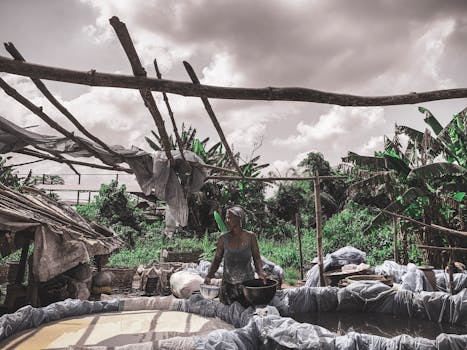
Understanding the Landscape of Resource Limitations
South Africa faces numerous challenges, including high unemployment rates, economic inequality, and limited access to basic services. According to Statistics South Africa, the unemployment rate stood at 34% in 2022, highlighting the pressing need for innovative solutions to make the most of available resources. Many South Africans have turned to entrepreneurship, sustainable practices, and community initiatives to navigate these challenges effectively.
Entrepreneurial Spirit: Turning Challenges into Opportunities
With limited job opportunities, many South Africans are embracing entrepreneurship as a viable means of survival. The rise of small businesses has been particularly pronounced in urban areas, where individuals leverage their skills and local resources to create sustainable livelihoods.
- Street Vendors and Informal Markets: In cities like Johannesburg and Cape Town, street vendors provide a diverse range of goods, from food to handmade crafts. These informal markets not only cater to local demand but also generate income for those involved. The City of Cape Town has recognized the importance of these vendors, implementing initiatives to support and regulate their operations.
- Online Businesses: The digital landscape has opened new avenues for South Africans to market their products. E-commerce platforms like Takealot and Etsy have enabled local artisans to reach a broader audience. During the COVID-19 pandemic, many entrepreneurs shifted to online sales, ensuring business continuity and innovation.
Sustainable Practices: Making Every Resource Count
As environmental concerns grow, South Africans are increasingly adopting sustainable practices that maximize limited resources. This shift not only benefits the environment but also enhances community resilience.
- Community Gardens: Urban areas are witnessing a rise in community gardens, where residents grow their own vegetables and fruits. These gardens not only provide fresh produce but also foster community spirit. The City of Johannesburg has initiated projects to transform vacant lots into productive green spaces, promoting food security and sustainable living.
- Water Conservation: With South Africa facing periodic droughts, water conservation has become paramount. Many households are implementing rainwater harvesting systems and greywater recycling to minimize consumption. The Department of Water and Sanitation provides guidelines and support for these initiatives, emphasizing the importance of responsible water use.
Education and Skill Development: Empowering the Workforce
In an economy where opportunities are scarce, education and skill development play a crucial role in empowering individuals to make the most of their circumstances. Various organizations and government initiatives are focused on equipping South Africans with the necessary skills to thrive in a competitive job market.
- Technical Vocational Education and Training (TVET): The South African government has invested in TVET colleges to provide vocational training in various trades. These institutions are crucial in bridging the skills gap, allowing individuals to gain practical experience and improve employability.
- Online Learning Platforms: The growth of online education has made learning more accessible. Platforms such as Coursera and Udemy offer a wealth of courses, enabling South Africans to acquire new skills without the burden of high costs. This flexibility allows individuals to learn at their own pace and tailor their education to their career aspirations.
Community Initiatives: Collaborating for Collective Benefit
In times of adversity, community solidarity often leads to innovative solutions. South Africans are coming together to form networks and support systems that enhance resource utilization.
- Cooperatives: Cooperatives have become a popular model for pooling resources and sharing profits. For instance, the Khula Sizwe Cooperative in KwaZulu-Natal focuses on agriculture and has empowered local farmers by providing access to shared equipment and markets. This model has proven effective in promoting economic empowerment and community resilience.
- Skill-Sharing Programs: Initiatives like the SkillShare South Africa project encourage individuals to share their expertise with others. These programs not only facilitate skill development but also foster a sense of community, allowing participants to learn from one another.
Leveraging Technology: Innovations for Resource Optimization
Technology is playing an increasingly critical role in how South Africans optimize their limited resources. From mobile applications to social media, technology facilitates better communication and resource management.
- Mobile Apps for Resource Management: Applications like MyWater help users track water usage and identify leaks, promoting conservation. Similarly, platforms like SweepSouth connect domestic workers with clients, streamlining the hiring process and ensuring fair wages.
- Social Media for Awareness: Social media platforms are being used to raise awareness about resource constraints and promote sustainable practices. Campaigns highlighting local initiatives and success stories inspire others to adopt similar approaches, creating a ripple effect of positive change.
The Role of Government and Non-Profit Organizations
Government agencies and non-profit organizations play a vital role in supporting South Africans as they strive to make the most of limited resources. Through policy development, funding, and community outreach, these entities aim to create an enabling environment for sustainable growth.
- Government Initiatives: The South African government has introduced various policies aimed at promoting entrepreneurship and sustainability. The Small Enterprise Development Agency (SEDA) provides support to small businesses through mentorship programs and funding opportunities, helping entrepreneurs navigate the challenges of resource limitations.
- NGO Support: Non-governmental organizations such as FoodForward SA work tirelessly to tackle food insecurity by redistributing surplus food to communities in need. Their efforts not only reduce waste but also ensure that vulnerable populations have access to nutritious meals.
Real-World Examples of Resource Optimization
Several South African individuals and organizations have emerged as beacons of hope by successfully optimizing limited resources. These success stories serve as inspiration for others facing similar challenges.
- The Tembisa Recycling Project: Located in Tembisa, this community-driven initiative focuses on recycling waste materials to generate income. Residents collect and sort recyclables, selling them to recycling companies. This project not only provides financial benefits but also promotes environmental sustainability.
- Ubuntu Academy: This educational initiative in the Western Cape empowers youth through skills training and mentorship. By focusing on entrepreneurship and innovation, Ubuntu Academy equips young South Africans with the tools they need to succeed in a competitive landscape.
Frequently Asked Questions
What are some common challenges South Africans face in resource optimization?
Common challenges include economic inequality, high unemployment rates, and limited access to education and basic services. However, many individuals have found creative solutions to these challenges through entrepreneurship and community initiatives.
How can technology help in making the most of limited resources?
Technology facilitates better communication, resource management, and access to information. Mobile apps and online platforms enable individuals to track their resource consumption, connect with others, and access educational resources.
What role do community initiatives play in resource optimization?
Community initiatives foster collaboration, allowing individuals to pool resources, share skills, and support one another. This collective approach often leads to innovative solutions that benefit the entire community.
In conclusion, South Africans are not just surviving with limited resources; they are thriving through innovation, collaboration, and resilience. By embracing entrepreneurship, sustainable practices, and community initiatives, they are creating a brighter future for themselves and their communities.