
- 1. The Importance of Insuring Water Tanks
- 2. Types of Insurance Coverage for Water Tanks
- 3. Backup Equipment: The Need for Coverage
- 4. Types of Insurance for Backup Equipment
- 5. Factors Influencing Insurance Premiums
- 6. Tips for Choosing the Right Insurance Policy
- 7. Real-World Examples of Insurance Claims
- 8. Staying Informed About Policy Changes
- 9. Frequently Asked Questions (FAQ)
Understanding How Insurance Works for Water Tanks and Backup Equipment
In an age where water scarcity and power outages are becoming increasingly common, having backup systems like water tanks and generators is essential for both residential and commercial properties. However, just like any other asset, these systems require protection against unforeseen circumstances. This is where insurance for water tanks and backup equipment comes into play. In this blog post, we will explore how insurance works for these vital systems, the types of coverage available, and what you need to consider when insuring them.
The Importance of Insuring Water Tanks
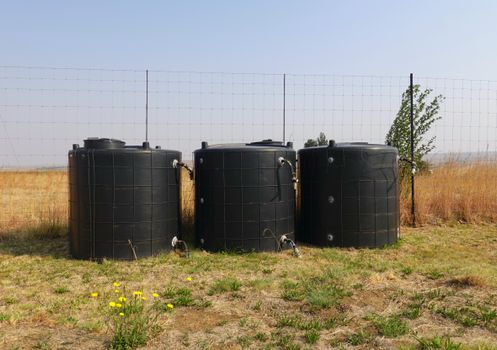
Water tanks serve a critical function, especially in regions that face water shortages or inconsistent supply. Insuring these tanks is crucial for several reasons:
- Financial Protection: Water tanks can be expensive to purchase and install. In the event of damage due to natural disasters, theft, or vandalism, insurance can help cover repair or replacement costs.
- Liability Coverage: If a water tank leaks or fails, it can cause significant damage to property or even injury. Liability insurance can protect you from legal claims arising from such incidents.
- Peace of Mind: Knowing that you have coverage can alleviate the stress associated with the potential failure of your water supply system.
Types of Insurance Coverage for Water Tanks
When considering insurance for your water tanks, it’s essential to know the different types of coverage available:
1. Property Insurance
Property insurance typically covers your water tank as part of your overall property. This policy protects against risks like fire, theft, and some types of water damage. For example, if a storm damages your water tank, your property insurance may cover the costs associated with repairs.
2. Specialized Equipment Insurance
Some companies offer specialized policies that focus specifically on equipment, including water tanks. This type of insurance can cover additional risks such as accidental damage or mechanical failure, which may not be included in standard property insurance policies. For example, if a pipe bursts inside your tank and causes a significant leak, specialized equipment insurance may provide coverage for the repairs.
3. Liability Insurance
If your water tank is located on a commercial property, it’s wise to consider liability insurance. This coverage protects you in the event that someone is injured due to an issue with your water tank. For instance, if a visitor slips on water from a leaking tank and sustains injuries, liability insurance can help cover medical expenses and legal fees.
Backup Equipment: The Need for Coverage
Backup equipment, such as generators, is crucial for ensuring continuity during power outages. Just like water tanks, this equipment warrants its own insurance coverage for several reasons:
- Operational Reliability: Businesses rely on backup generators to maintain operations during power failures. Insuring this equipment ensures that you can quickly replace or repair it in case of a malfunction.
- Investment Protection: Generators can be a significant investment. Insurance helps protect that investment from unexpected events like theft or damage from severe weather.
Types of Insurance for Backup Equipment
When it comes to insuring backup equipment, there are various options to consider:
1. Equipment Breakdown Insurance
This insurance covers the costs associated with the mechanical breakdown of equipment. For example, if a generator fails due to a manufacturing defect, equipment breakdown insurance can help cover the repair costs.
2. Business Interruption Insurance
If your generator fails and results in a power outage that halts operations, business interruption insurance can cover lost income during the downtime. This type of insurance is particularly important for businesses that rely heavily on electricity to function.
3. General Liability Insurance
Just like with water tanks, general liability insurance is essential for businesses that operate backup generators. This coverage protects against claims arising from injuries or damages related to generator use. For instance, if a generator causes a fire that damages neighboring properties, liability insurance may cover the associated costs.
Factors Influencing Insurance Premiums
When applying for insurance for your water tanks and backup equipment, several factors can influence your premiums:
- Location: Areas prone to natural disasters may have higher premiums due to increased risk.
- Type of Equipment: Specialized or high-value equipment may incur higher premiums due to replacement costs.
- Usage: Commercial use of equipment may result in higher premiums compared to residential use.
- Claims History: A history of claims can increase your premiums, as insurers may view you as a higher risk.
Tips for Choosing the Right Insurance Policy
Choosing the right insurance for your water tanks and backup equipment is crucial for ensuring adequate protection. Here are some tips to guide you:
- Assess Your Needs: Evaluate the value of your water tanks and backup equipment to determine the level of coverage you require.
- Shop Around: Get quotes from multiple insurance providers to compare coverage options and premiums.
- Read the Fine Print: Understand what is and isn’t covered by your policy. Look for exclusions or limitations that may affect your coverage.
- Consult with Experts: Speak to an insurance broker or agent who specializes in equipment insurance to get tailored advice.
Real-World Examples of Insurance Claims
Understanding how insurance works in real-world scenarios can shed light on its importance:
In 2020, a South African farmer experienced a devastating drought. To ensure his crops were adequately irrigated, he invested in a large water tank. Unfortunately, a storm caused significant damage to the tank, requiring a costly replacement. Thanks to his property insurance, the farmer was able to claim for the damage, helping him recover quickly without incurring a financial burden.
In another instance, a small business owner relied on a generator to keep operations running during power outages. When the generator malfunctioned, it not only halted production but also resulted in financial losses. Fortunately, the owner had business interruption insurance, which covered lost income during the downtime, allowing the business to remain afloat.
Staying Informed About Policy Changes
Insurance policies can change, so it’s crucial to stay informed about any updates that may affect your coverage. Regularly review your policies and consult with your insurance provider to ensure that you have adequate coverage for your water tanks and backup equipment.
Frequently Asked Questions (FAQ)
What types of damage are typically covered by insurance for water tanks?
Most property insurance policies cover water tanks against risks like fire, theft, and certain types of water damage. However, it’s essential to read your policy for specific exclusions.
How can I lower my insurance premiums for backup equipment?
Consider enhancing your security measures, such as installing surveillance cameras or alarm systems, and maintain your equipment properly to reduce the risk of claims. Some insurers may offer discounts for these improvements.
Is it necessary to have specialized equipment insurance?
While not mandatory, specialized equipment insurance can provide additional protection that standard property insurance may not cover. If your equipment is high value or critical to your operations, specialized coverage is advisable.
By understanding how insurance works for water tanks and backup equipment, you can make informed decisions that protect your investments and ensure operational continuity. Always consult with an insurance professional to tailor your coverage to your specific needs.