
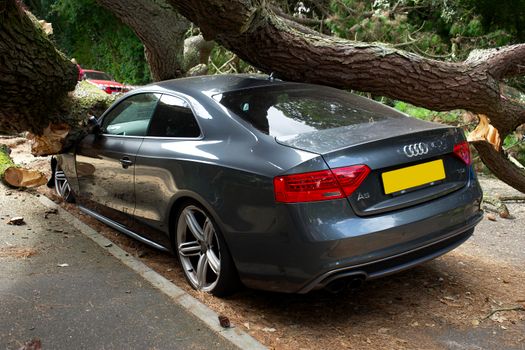
How Insurance Handles Damage Caused by Falling Trees
In South Africa, the beauty of nature often comes with the risk of unforeseen events, such as falling trees. These incidents can cause significant damage to property, vehicles, and even pose threats to personal safety. Understanding how insurance handles damage caused by falling trees is crucial for homeowners and property owners alike. This blog post will explore the types of insurance coverage available, the factors that influence claims, and the steps one should take when dealing with such unfortunate situations.
The Impact of Falling Trees
Falling trees can result from various factors such as severe weather conditions, diseases affecting the tree, or poor maintenance. According to the South African Department of Environment, Forestry and Fisheries, trees can become unstable due to age, rot, or adverse weather conditions like heavy winds and storms. The aftermath of a fallen tree can include:
- Damage to homes and structures
- Injury to individuals
- Destruction of vehicles
- Impact on surrounding landscaping
Given the potential for extensive damage, understanding how insurance policies respond to these incidents is essential for effective risk management.
Types of Insurance Coverage
When it comes to insurance handling damage caused by falling trees, there are different types of policies that may come into play. Here are the most relevant:
Homeowners Insurance
In South Africa, most homeowners have a comprehensive insurance policy that typically covers damages to the structure and personal property. If a tree falls on your home, your homeowners insurance should cover the repair costs, provided the policy includes coverage for such incidents. However, coverage can vary significantly between insurers, so it’s vital to read the fine print.
Property Insurance
For landlords or property managers, property insurance can cover damages to rental units. If a falling tree causes damage to a rental property, the owner can file a claim under their property insurance policy. This coverage is essential for landlords who need to protect their investments against natural disasters.
Vehicle Insurance
If a tree falls on your car, your vehicle insurance policy may cover the damage if you have comprehensive coverage. This type of insurance protects against various risks, including falling objects, weather-related incidents, and theft. Without comprehensive coverage, you may have to pay for repairs out of pocket.
Liability Insurance
If a tree on your property falls and damages a neighbor’s house or injures someone, liability insurance can protect you from legal claims. This can be particularly useful if the tree was known to be unhealthy or if you failed to maintain it properly. In South Africa, having adequate liability coverage is crucial for homeowners.
Understanding Policy Exclusions
While many insurance policies cover damage caused by falling trees, there are often exclusions and limitations. For example, some policies may not cover specific types of trees or situations where the tree was already diseased or dead. According to the Financial Sector Conduct Authority (FSCA), insurers are required to provide clear information about what is and isn’t covered in a policy.
Here are some common exclusions to be aware of:
- Negligence: If you are aware that a tree is unhealthy or unstable and fail to take action, your claim may be denied.
- Acts of God: Some policies may have specific clauses regarding natural disasters, particularly if the event is deemed unpreventable.
- Tree Maintenance: Regular maintenance and inspection of trees can play a role in the validity of your claim. Insurers may require proof that you have taken necessary precautions.
Steps to Take After a Tree Falls
In the unfortunate event that a tree falls on your property, taking immediate and appropriate action is crucial. Here’s a step-by-step guide:
1. Ensure Safety First
Before anything else, check for injuries. If anyone is hurt, call emergency services immediately. If the tree has fallen on electrical lines, stay clear and contact your local utility company.
2. Document the Damage
Take photographs of the damage from multiple angles. This documentation will be essential for your insurance claim. Ensure you capture the tree itself, the damage to your property or vehicle, and any surrounding areas affected.
3. Notify Your Insurance Company
Contact your insurance provider as soon as possible to report the incident. Provide them with all necessary information, including the photos you’ve taken. Be honest about the circumstances surrounding the incident, as this will help facilitate a smoother claims process.
4. Remove the Debris
While you should document the damage first, you will eventually need to clear the area. If the tree poses a danger or obstruction, contact a professional service to remove it safely. Keep any receipts related to the cleanup, as these may be reimbursable under your policy.
5. Follow Up
After filing your claim, stay in touch with your insurance company. They may send an adjuster to assess the damage. Ensure you provide any additional information they request to expedite the claims process.
Real-World Examples
In a notable case reported by SABC News, a residential area in Gauteng experienced severe storms leading to numerous fallen trees. Homeowners with comprehensive insurance coverage reported significant payouts for roof repairs and vehicle damage, which demonstrated the importance of being adequately insured.
Another example involves a business owner whose storefront was damaged by a tree that fell during a storm. They were able to recover repair costs through their property insurance, highlighting the necessity for businesses to have proper coverage against such risks.
Conclusion: Protecting Yourself Against Falling Trees
Understanding how insurance handles damage caused by falling trees is vital for property owners in South Africa. With the right insurance policy, you can protect yourself against financial losses resulting from such incidents. Always review your insurance documents to know what is covered and ensure you maintain your trees properly to minimize risks.
Frequently Asked Questions
What should I do if a tree on my property falls and damages my neighbor’s house?
If a tree from your property falls and causes damage to your neighbor’s house, contact your insurance company immediately. Liability insurance may cover the damages, provided you weren’t negligent in maintaining the tree.
Will my homeowners insurance cover damage if the tree was dead?
This depends on your policy and the circumstances surrounding the tree’s condition. If you were aware that the tree was dead and did not take action, your claim may be denied. Always consult your insurance provider for clarity.
How can I prevent tree-related damage to my property?
Regular maintenance and inspection of trees are essential. Hire a professional arborist to assess the health of your trees, especially if they are large or old. This can help you mitigate risks before they become a problem.
In summary, being proactive about tree maintenance and understanding your insurance policy can significantly reduce the financial impact of falling trees on your property.