
How Car Insurance Handles Hail Damage Claims
Hailstorms can wreak havoc on vehicles, leading to costly repairs and inconveniences for car owners. Understanding how car insurance handles hail damage claims is essential for drivers, especially in hail-prone regions of South Africa. In this article, we will explore the intricacies of hail damage claims, the types of coverage available, the claims process, and tips for maximizing your chances of a successful claim.
The Impact of Hail Damage on Vehicles
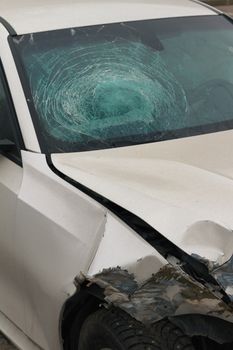
Hail can cause varying degrees of damage to vehicles, ranging from minor cosmetic issues to significant structural problems. The severity of the damage often depends on the size of the hailstones and the duration of the storm. According to the South African Weather Service, the country experiences numerous hail events, particularly in the summer months, making it crucial for car owners to be prepared for potential damage.
- Minor Damage: Dents and scratches on the bodywork, which might not affect the vehicle’s performance but can lower its aesthetic value.
- Moderate Damage: Broken windows, damaged lights, and more significant dents that may require professional repairs.
- Severe Damage: Hail can potentially damage the engine or frame, leading to costly repairs and safety concerns.
Understanding Car Insurance Coverage for Hail Damage
When it comes to protecting your vehicle from hail damage, having the right insurance coverage is paramount. In South Africa, there are typically two types of car insurance that may cover hail damage: comprehensive coverage and third-party liability.
Comprehensive Coverage
Comprehensive car insurance is designed to cover a wide range of risks, including damage from natural disasters like hail. If you have this type of policy, it generally includes coverage for hail damage, which means your insurer will pay for repairs after you submit a claim. According to the South African Insurance Association, comprehensive insurance is recommended for those who wish to protect their vehicle against unpredictable weather events.
Third-Party Liability
On the other hand, third-party liability insurance does not cover hail damage. This type of policy only covers damages to other vehicles and property in the event of an accident where you are at fault. Therefore, if you only have third-party coverage, you will be responsible for covering the costs of hail damage out of pocket.
Filing a Hail Damage Claim
If you find yourself in the unfortunate situation of needing to file a hail damage claim, understanding the steps involved can make the process smoother. Here’s a structured approach to filing your claim:
1. Document the Damage
Before contacting your insurance provider, take comprehensive photos of the damage to your vehicle. Ensure that you capture different angles and close-ups of the affected areas. This documentation will serve as evidence when you file your claim. The National Institute of Insurance (NII) recommends keeping a record of all communications and documentation related to your claim.
2. Contact Your Insurance Provider
As soon as you assess the damage, reach out to your insurance company to report the incident. Most insurers have a dedicated claims department that can guide you through the process. Be prepared to provide details about the hailstorm, including the date, time, and location of the event.
3. Submit a Claim
Follow your insurer’s guidelines for submitting a claim. This may involve filling out a specific form and providing the documentation you’ve gathered. Ensure that you provide accurate information to avoid delays in processing your claim.
4. Inspection by an Adjuster
After submitting your claim, an insurance adjuster may be assigned to assess the damage. They will evaluate the extent of the hail damage and determine the cost of repairs. Be sure to be available for any questions they may have during their inspection.
What to Expect After Filing a Claim
Once your claim is submitted and the inspection is complete, you can expect the following:
- Repair Estimates: The insurance company will provide an estimate for the repairs based on the adjuster’s assessment.
- Approval or Denial: Your insurer will inform you whether your claim has been approved or denied. If denied, they should provide a reason.
- Repair Process: If approved, you can schedule your vehicle repairs through an authorized repair shop. Some insurers may have partnerships with specific garages.
Common Challenges in Hail Damage Claims
While the claims process may seem straightforward, several challenges can arise:
1. Underinsurance
Some drivers may find that their coverage limits are insufficient to cover the full extent of the hail damage. It’s essential to review your policy regularly and adjust your coverage as needed to ensure adequate protection.
2. Disputed Damage Assessments
Insurance adjusters may not always agree on the extent of the damage, leading to disputes. If you believe that the assessment is inaccurate, you can request a second opinion or appeal the decision.
3. Delays in Processing
Insurance companies may experience backlogs during severe weather events, leading to delays in claim processing. Staying in touch with your insurer and following up on your claim can help expedite the process.
Tips for Maximizing Your Hail Damage Claim
To enhance your chances of a successful and timely claim, consider the following tips:
- Review Your Policy: Familiarize yourself with your coverage and any exclusions related to hail damage.
- Maintain Records: Keep copies of all correspondence with your insurer, including emails and phone call notes.
- Seek Professional Help: Consider consulting with a public adjuster if you encounter difficulties with your claim.
- Act Quickly: Report your claim as soon as possible after the damage occurs to avoid complications.
Conclusion
Understanding how car insurance handles hail damage claims is crucial for South African drivers, especially in regions susceptible to hailstorms. By securing comprehensive coverage, documenting damage properly, and following the claims process diligently, you can ensure that you receive the compensation needed to restore your vehicle. Always remember to advocate for yourself during the claims process, and don’t hesitate to seek assistance if challenges arise.
Frequently Asked Questions
1. Does comprehensive insurance automatically cover hail damage?
Yes, comprehensive insurance typically covers hail damage, but it’s important to review your specific policy for any exclusions.
2. What should I do if my claim is denied?
If your claim is denied, contact your insurer for clarification and consider appealing the decision or requesting a second assessment.
3. How long does it take to process a hail damage claim?
The processing time can vary, but most claims are resolved within a few weeks. Delays may occur during peak seasons.
4. Can I choose my own repair shop for hail damage repairs?
Most insurers allow you to choose your repair shop, but they may have preferred providers that could expedite the process.
For more comprehensive information on car insurance and claims, you can visit reputable resources like the South African Insurance Association or the South African Government’s official website.